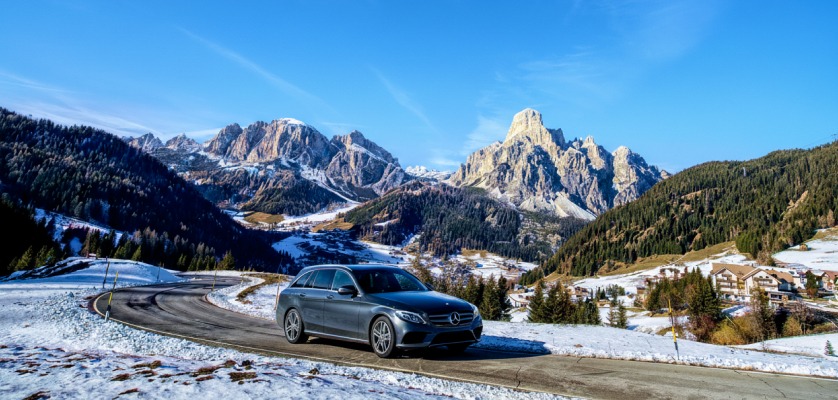
Let’s get straight to the point, there is no doubt that during the Winter Olympics 2026, traffic will be heavy. There are going to be restricted zones, road closures & cities full of people from all over the world.
After knowing all this, you’ll definitely not consider driving at all!
But here’s the twist most of you don’t realize until you are already there. Avoiding driving completely often creates more problems than it solves.
Let’s understand why and how to drive smartly during the Olympics instead of avoiding it altogether.
Where is the Winter Olympics 2026 being held
Italy will be the home for this year’s Winter Olympics, with competitions taking place in Milan and the snowy slopes of Cortina d’Ampezzo.
Milan
Milan is hosting major ceremonies, including the opening ceremony and various indoor events. Surely, it will be busy, regulated and full of ZTL (limited traffic zones). So driving inside the city? Not a really good option.
Cortina d’Ampezzo
Cortina is a mountain town that has limited public transport capacity. So, just relying on trains or shuttles is not a very convenient option.
Nearby Alpine Towns
Many Olympic venues are spread across smaller alpine locations where trains don’t reach and buses don’t have any fixed schedules, especially if the event is early morning or late evening.
You must understand that driving isn’t about navigating city centers; it’s more about connecting locations efficiently.
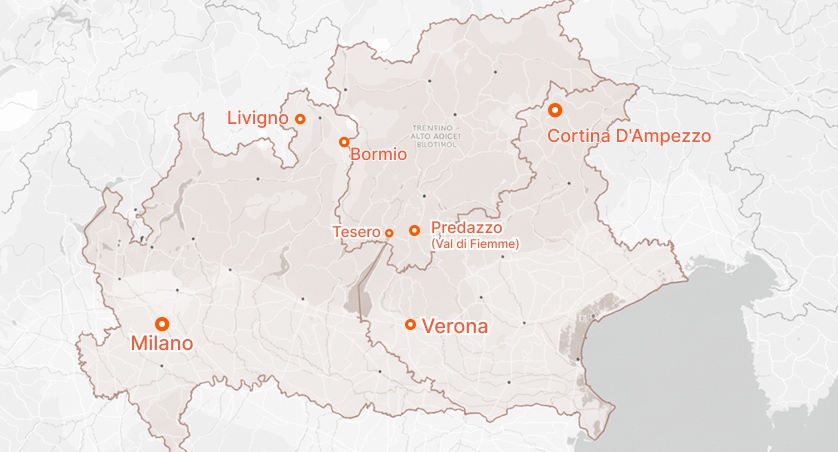
Winter Olympics 2026 map
The host places for this year’s Winter Olympics are here!
Winter Olympics 2026 tickets & event overview
Below is the table that covers the schedule of the events, dates and venues.
Also note that the official ticket details are not yet finalized, you’ll have to check the status on the official website Milano Cortina 2026.
| Sport | Event Type | Dates (2026) | Primary Venue(s) | City/Region |
|---|---|---|---|---|
| Ice Hockey | Men’s & Women’s Tournament | Feb 6 – Feb 22 | Milano Ice Hockey Arena (new), Secondary arenas | Milan |
| Snowboarding | Halfpipe, Slopestyle, Big Air | Feb 6 – Feb 22 | Livigno Snow Park | Livigno (Valtellina) |
| Alpine Skiing | Downhill, Super-G, Slalom | Feb 7 – Feb 21 | Stelvio Ski Centre | Bormio |
| Figure Skating | Singles, Pairs, Ice Dance | Feb 6 – Feb 22 | Milano Ice Arena | Milan |
| Speed Skating | Long Track | Feb 7 – Feb 21 | Milano Speed Skating Oval | Milan |
| Short Track Speed Skating | All events | Feb 6 – Feb 22 | Milano Ice Arena | Milan |
| Ski Jumping | Individual & Team | Feb 8 – Feb 20 | Predazzo Ski Jumping Stadium | Val di Fiemme |
| Cross-Country Skiing | Sprint, Distance, Relay | Feb 7 – Feb 22 | Tesero Cross-Country Stadium | Val di Fiemme |
| Biathlon | Sprint, Pursuit, Relay | Feb 8 – Feb 21 | Antholz-Anterselva Arena | South Tyrol |
| Curling | Men’s & Women’s | Feb 6 – Feb 22 | Cortina Curling Arena | Cortina d’Ampezzo |
Why getting around is tricky (Even without a car)
This is where many of you will underestimate the real situation.
Multiple venues, big distances
Events are likely to be 1–3 hours apart. If you are opting for public transport connections, then be ready to switch multiple locations, long waiting lines and the majority of you might land in standing-room-only trains.
Peak winter season reality
Snow is not an obstacle for just cars, it delays the timings of trains and buses too. So when one route shuts down, alternatives are really limited.
Crowded public transport isn’t always easier
During major Olympic days, public transport will be jam-packed, slower than expected and something overwhelming in mountain regions.
All these situations totally indicate that skipping the car doesn’t mean skipping the chaos (you will still have to face it, with or without a vehicle), it means you have less control over such conditions.
Why renting a car still makes sense (If you do it right)
Here is the part you must understand in order to get sorted about your travel problems!
Smart drivers don’t drive everywhere
Having a car doesn’t mean you will take it to the main Olympic venues but the trick is to drive around them.
You can use designated park-and-ride areas. And easily walk or shuttle the final stretch. By following this, you can avoid getting fined and wasting your time in traffic jams.
Flexibility when plans change (And trust us, they will)
You will realise this at some point that flexibility is priceless during the Olympics. We can say so because there are high chances of events getting rescheduled, weather shifts and trains getting delayed.
With a car, you don’t lose half a day or you don’t let public transport take full control of how your day goes.
Carrying winter gear without the stress
Keeping in mind the insane crowd, traveling with your sports gear, that too in a public transport, is a complete nightmare! We are sure you don’t want to face it.
A car is a saviour as it helps you out in, no dragging bags through stations, no squeezing into full trains or no worrying about storage space.
Olympic days vs Non-Olympic days
Let’s be honest, you won’t be attending events every single day. So on rest days, a car gives you:
- Quiet alpine villages tour
- Beautiful scenic drives
- Local food spots far from Olympic crowds
Best routes & scenic drives worth taking
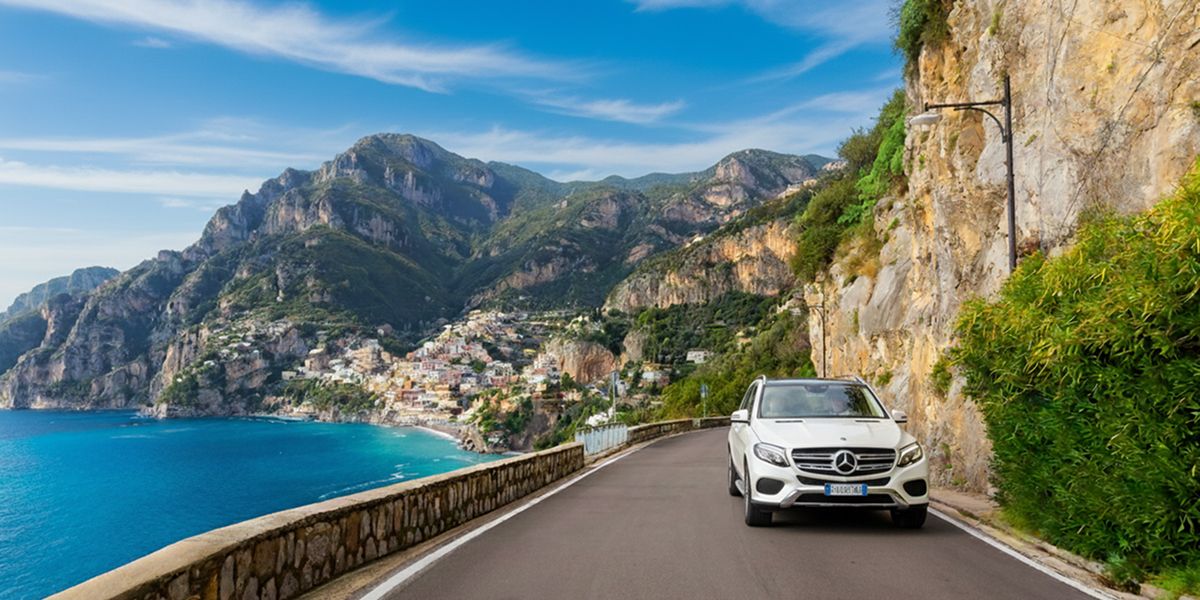
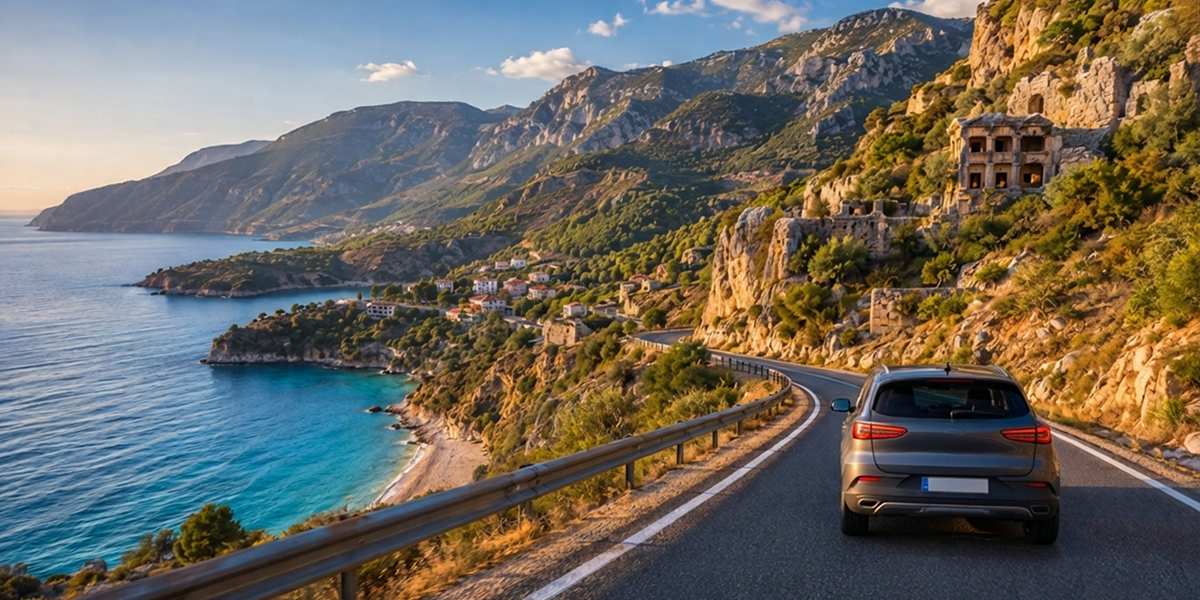
Driving in northern Italy isn’t just practical way to attend the Winter Olympics 2026, it’s just something to do once in a life time.
Milan → Cortina d’Ampezzo
Distance: ~400 km (250 miles) Driving time: ~4 hours 30 minutes to 5 hours
Milan is a huge city and during this time, it’s going to be really crowded. The solution? You don’t need to drive inside the city to enjoy the benefits of having a car.
What is the smartest move?
- Arrive in Milan by plane or train
- Spend time in the city without a car
- Pick up your rental on the outskirts of Milan like Linate Airport (LIN) or at the Malpensa Airport (MXP)
Once you’re on the highway, the drive toward Cortina becomes easy. Roads are well-maintained, clearly signed, and designed for long-distance travel.
The only busy part is getting out of the city. Instead of rushing city exits during peak hours, you must leave early or late.
By the time you reach the mountain roads, traffic thins out, the scenery opens up and driving actually becomes the most relaxing part of the journey.
Venice → Cortina d’Ampezzo
Distance: ~160 km (100 miles) Driving time: ~2 hours 15 minutes to 2 hours 45 minutes
Venice is completely car-free, which actually makes it a great place to start your Olympic journey.
Land in Venice, explore the city on foot or by boat, then pick up your rental car after leaving the city, either at Venice Mestre or Marco Polo Airport.
From there, it’s a scenic drive into the Dolomites, with no city traffic, no restricted zones and no stress at all!
Mountain drives that are worth exploring
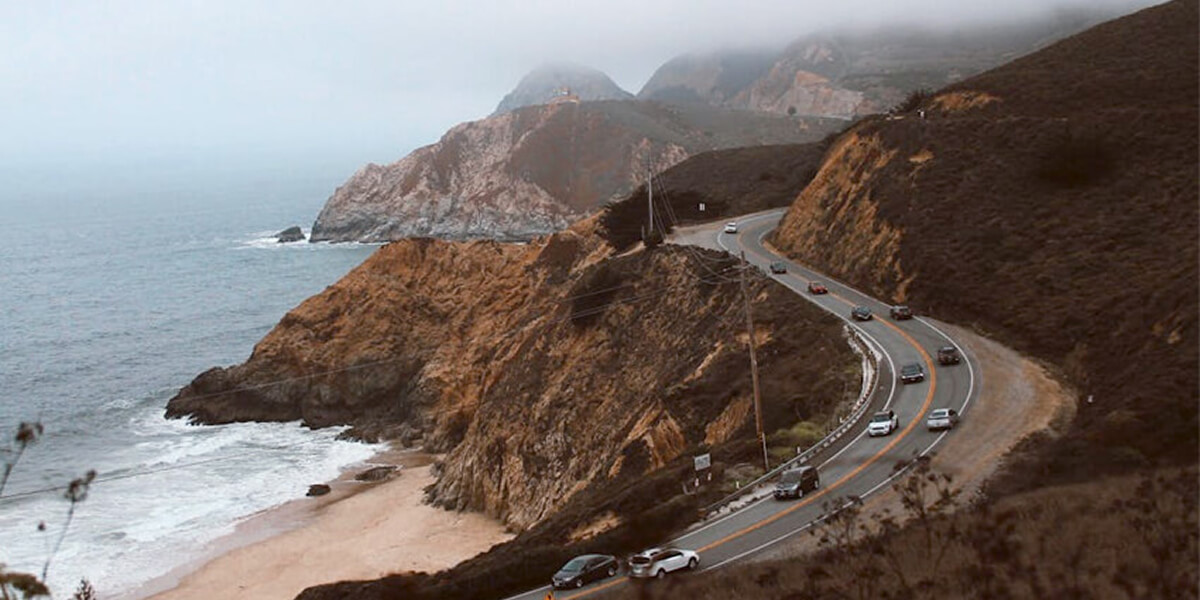
Once you’re past Olympic hubs, traffic drops dramatically. These roads seem to have been designed for postcards.
- The Dolomites Great Road
- Passo Falzarego
- Val Gardena routes
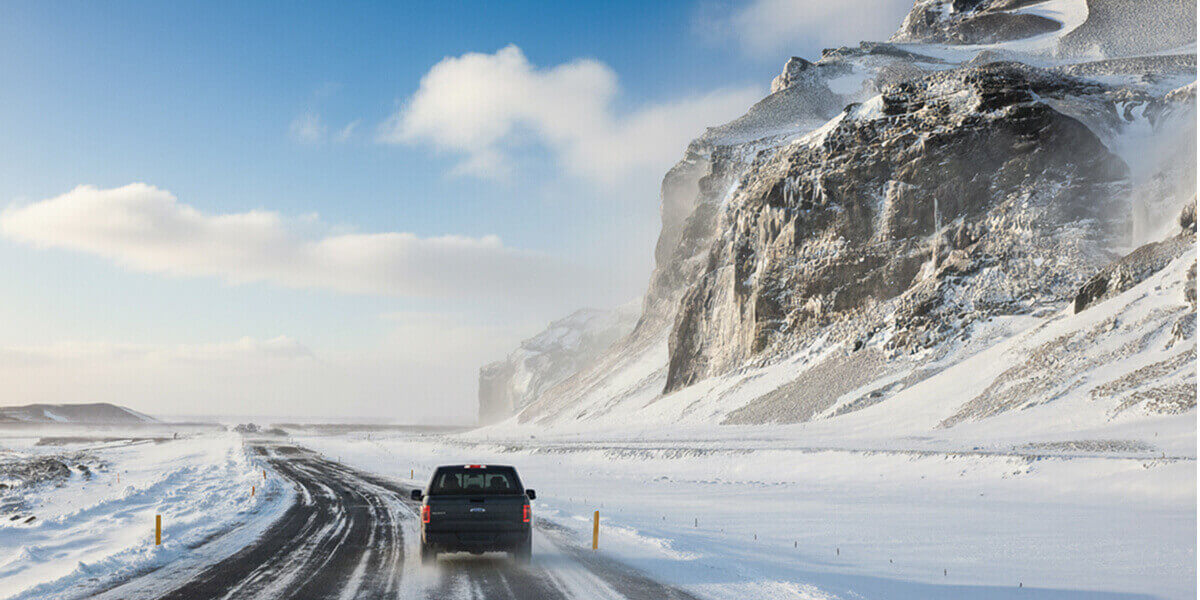
Winter driving tips that make all the difference
Driving fear comes when you are not fully prepared to tackle the situation. Here’s how you must do it:
Snow tyres aren’t optional
They are mandatory and make a huge difference in control and safety. Also read: Expert tips for winter driving.
Snow chains = Backup plan
You will probably think that you won’t need them, but when you do, you’ll be glad you have them. In fact, these are the must HAVES for safe snow driving.
Understanding restricted zones (ZTL)
Olympic host cities will have clearly marked zones. Make sure to not enter city centers. Only use parking garages and the outskirts.
Driving isn’t the problem, poor planning definitely is
Many people are going to avoid driving during the Winter Olympics 2026. That also means to get ready for more pressure on public transport, longer waiting hours for public transport and way less flexibility
But those who drive strategically, outside peak zones, between locations & on their own schedule, end up with the smoothest experience of all.
People also ask
-
Can I rely on public transport during the Winter Olympics 2026 in Italy?
Public transport in Italy will be available but trains and buses are expected to be crowded, especially in Alpine regions. The best idea is to choose a combination of public transport and car rental to reach Olympic venues and nearby mountain towns more efficiently.
-
Are electric cars practical for winter driving in the Dolomites?
EVs are not such a practical option during winter as cold temperatures can reduce battery range and charging stations are less common in small alpine towns compared to major cities.
If you’re staying in well-connected areas and can charge overnight, an electric car works fine but for longer mountain drives or flexible Olympic travel days, a petrol or hybrid car is usually the more convenient choice.
-
What apps help with driving in Italy during the Winter Olympics?
Google Maps and Waze are the most useful apps for driving in Italy during the Winter Olympics, as they provide real-time traffic updates, road closures & alternative routes.
Apps like ViaMichelin are also helpful for estimating toll costs and mountain driving times, while local weather apps can alert you to snow and changing road conditions in alpine areas.
-
Are there park-and-ride options during the Winter Olympics 2026?
Yes, park-and-ride options are expected to be widely used during the Winter Olympics 2026, especially near major venues and alpine towns. These areas allow people to park outside crowded zones and continue by shuttle or public transport, helping reduce traffic while still making car travel between cities and regions convenient.




'%3E%3Ccircle cx='0' cy='0' r='7' fill='%23fff'%3E%3CanimateTransform attributeName='transform' type='scale' begin='-0.24691358024691354s' calcMode='spline' keySplines='0.3 0 0.7 1;0.3 0 0.7 1' values='0;1;0' keyTimes='0;0.5;1' dur='0.6407407407407407s' repeatCount='indefinite'/%3E%3C/circle%3E%3C/g%3E%3Cg transform='translate(50 50)'%3E%3Ccircle cx='0' cy='0' r='7' fill='%23fff'%3E%3CanimateTransform attributeName='transform' type='scale' begin='-0.12345679012345677s' calcMode='spline' keySplines='0.3 0 0.7 1;0.3 0 0.7 1' values='0;1;0' keyTimes='0;0.5;1' dur='0.6407407407407407s' repeatCount='indefinite'/%3E%3C/circle%3E%3C/g%3E%3Cg transform='translate(75 50)'%3E%3Ccircle cx='0' cy='0' r='7' fill='%23fff'%3E%3CanimateTransform attributeName='transform' type='scale' begin='0s' calcMode='spline' keySplines='0.3 0 0.7 1;0.3 0 0.7 1' values='0;1;0' keyTimes='0;0.5;1' dur='0.6407407407407407s' repeatCount='indefinite'/%3E%3C/circle%3E%3C/g%3E%3C/svg%3E)