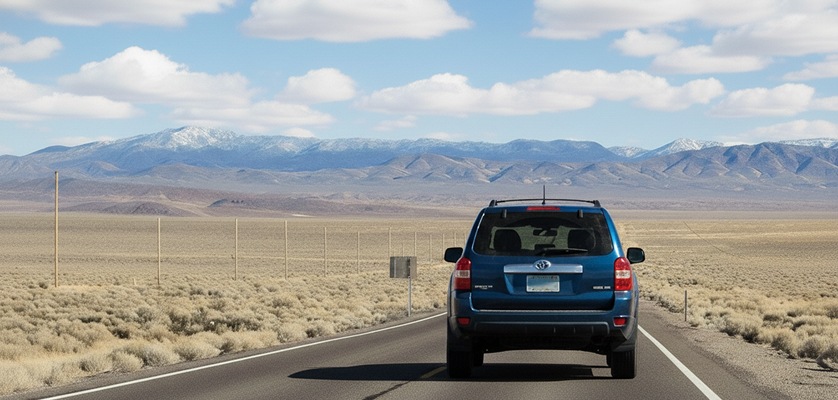
Want to have a legendary road trip experience? Then get ready for driving US Route 50, famously known as the “Loneliest Road in America”! It is not just a simple drive but a whole transformation from a modern world to open roads with endless horizons.
This blog covers everything you need to know before starting your journey, including a detailed itinerary, hidden gems & helpful tips to experience Route 50 the way it was meant to be.
What is US Route 50?
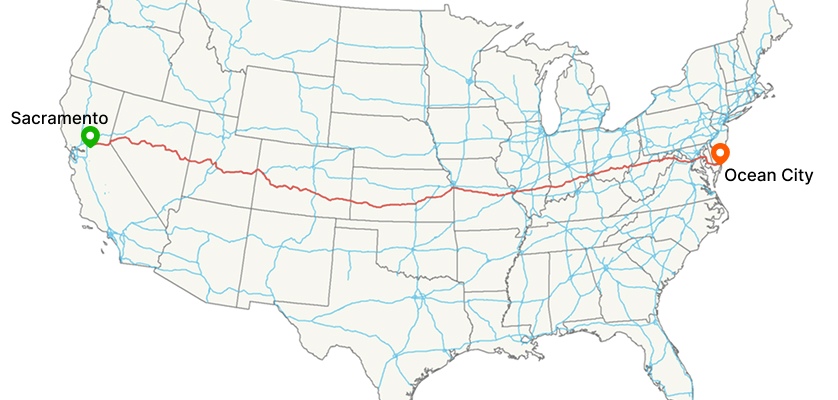
It is one of the longest highways in the United States, which stretches over 3,000 miles (4,800 km). You start from the Atlantic Ocean in Ocean City and drive across the country to end in Sacramento.
Unlike its more famous sibling, Route 66, the best part about Route 50 is that it is quieter, less commercialized & honestly far more raw. You will pass through historic towns, mountain ranges, agricultural heartlands & vast deserts.
But wait for the most iconic stretch that lies in Nevada, where civilization feels like a distant concept. You are going to love it!
Why is Highway 50 the loneliest road in America?
Back in 1986, Life Magazine described the Nevada stretch of Route 50 as the “Loneliest Road in America.” They associated that specific stretch with isolation, as you won’t spot any cars for miles, there are way too few towns & services. You’ll only find yourself with endless desert scenery. In a nutshell, it is just you, the road & freedom.
How long does it take to drive Route 50 US?
For a perspective, as per the 3,000 miles distance a continuous drive would be around 45 to 50 hours. And as per the recommended and most popular itinerary, this distance can be covered in 7-14 days.
What makes driving US Route 50 so special?
You must be wondering what makes the loneliest road of America so unique? Unlike your typical road trips filled with crowded attractions, this route offers:
- Away from the city noise, you get to spend time with your thoughts & nature.
- You get awestruck by the changing landscape views. From alpine lakes to desert valleys to mountain passes, the scenery never repeats itself.
- It feels like you have time-traveled to the 1800s; you’ll pass through towns that have not evolved yet.
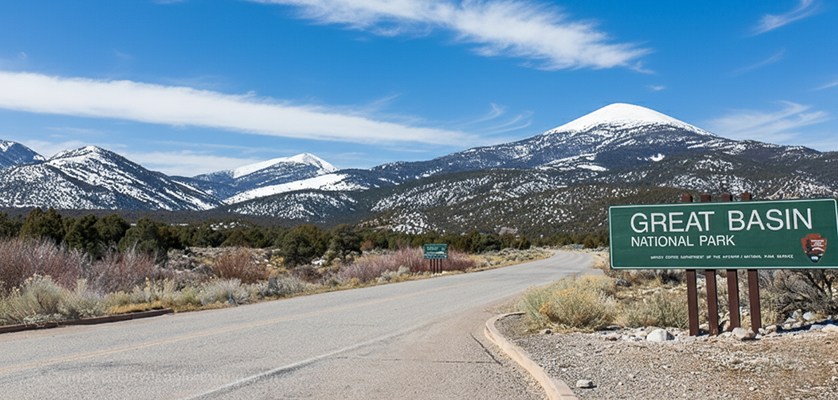
- Stargazing near Great Basin National Park is something extraordinary; you enjoy observing the clear sky full of stars, which is rarely seen in cities.
Your ultimate US Route 50 itinerary (10–12 days)
This itinerary balances driving, exploration, rest & must-see spots to make this a memorable road trip ever!
Day 1–2: Ocean City to West Virginia
Start your journey early in the morning to witness a beautiful sunrise over the Atlantic in Ocean City. Try a classic American breakfast at The Bayside Skillet. Keep your first day easy with a short drive towards west via the Chesapeake Bay Bridge. This is one of the most dramatic water crossings on the East Coast.
Take the afternoon stop at Annapolis. You can explore sailboats & colonial streets. Spend your evening around eastern West Virginia or western Maryland. You can opt for mountain lodges near Deep Creek Lake.
After having breakfast, start your second day by driving into the Appalachians towards West Virginia. Here, the roads become winding, forest-heavy & quiet. This is where the trip slows down beautifully.
Don’t forget to take a stop at Blackwater Falls State Park, accompanied by a short hike & iconic amber-colored waterfall. The scenery across the Allegheny Mountains is beautiful.
Enjoy the Appalachian comfort meals (think fried chicken, biscuits, pies) and stay overnight at cabins in Canaan Valley. End the night with a bonfire & starry skies.
Day 3: West Virginia to Ohio
From here, the journey will be mainly through forests and hills. You will experience the quiet mountain roads along with small towns. The drive is going to take 4h 41m for 287 mi.
Stop at Athens for an afternoon break and explore the Artsy college town, coffee shops, bookstores and Ohio River viewpoints. Have dinner at Casa Nueva, which is one of the favourite local spots that is managed by the community. Take the accommodation at Rustic farm stays or inns to experience an authentic Midwest living.
Day 4–5: Ohio to Kansas
Start your 4th day from Ohio towards Indianapolis & St. Louis. Now the land opens into wide plains with endless farmland and vast skies. This stretch will be all about peaceful & calm driving. The drive takes about 6–7 hrs in total. Take a quick break in downtown Indianapolis to have coffee or lunch.
Spend your evening in St. Louis and visit the Gateway Arch for a sunset view. Have dinner at the BBQ feast at Pappy's Smokehouse. You will find several accommodation options here, including the Downtown St. Louis hotel with Mississippi River views.
On day 5, you have to cover Missouri & Kansas, also known as “The Great Plains”. You will drive through the wide open spaces, huge skies and hypnotic straight roads.
Take a break at small-town diners and roadside photo ops with endless horizons. Book an overnight stay in Dodge City for the Old Wild West vibe!
Day 6: Kansas to Colorado
Now the air gets cooler, elevation changes and you’ll notice a dramatic transformation in the terrain. This is where you will see the Rockies first. Take a stop at Bent’s Old Fort (near La Junta), which is a famous historic area.
After exploring the fort, various travellers stop at the Royal Gorge Bridge for thrilling views. It is an optional spot for taking a quick break.
Stay at Salida, which many tourists miss out & honestly, it is one of the coolest underrated mountain towns. Here, you have to try the craft beer and mouth-watering mountain cuisine.
Day 7: Colorado to Utah
This stretch has to be one of the BEST driving days of your road trip. You’ll notice a beautiful transition from alpine peaks to red rock desert. The drive takes around 5 to 7 hours but we will plan a full day with stops. After spending a night in Salida, start your day with a light breakfast at a local cafe.
Start driving around 9 AM towards the High Rockies. Take short breaks at Monarch Pass for photos and the Gunnison Area for fuelling up your vehicle. During midday, you can experience the magic shift from green mountains to dry, rugged terrains.
If you have time, explore the Black Canyon of the Gunnison National Park; it requires 45 to 60 minutes. It is one of the steepest, darkest canyons in the US. For lunch, stop at Green River or at Ray's Tavern to try their famous burgers.
During the afternoon, you will enter the “Red Rock Country”. You can make a stop at San Rafael Swell, the hidden gem of the region. Reach Capitol Reef National Park for the most amazing golden hour moment where the red cliffs glow orange & gold.
You can explore the Fruita Historic District nicely and here don’t forget to try the fresh pies at the Gifford House (something that you’ll remember for life).
Take a night's stay at Torrey. You can consider cozy lodges, desert glamping tents or boutique inns with mountain views, whatever fits your budget. End your night with stargazing for 20–30 mins to watch the Milky Way clearly!
Day 8–9: Nevada (heart of the Highway 50 drive)
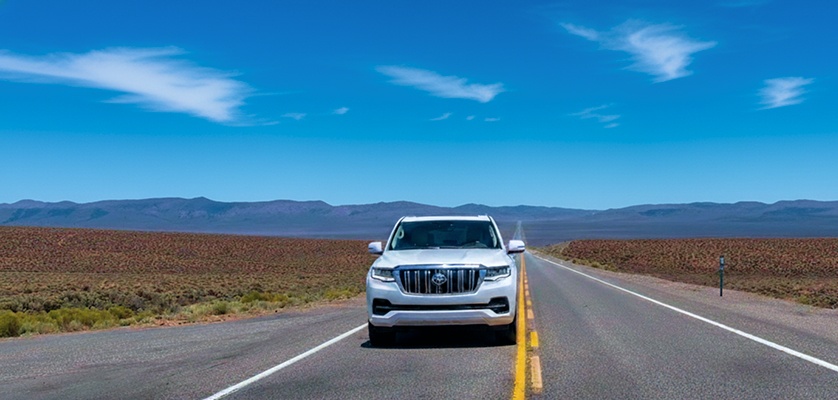
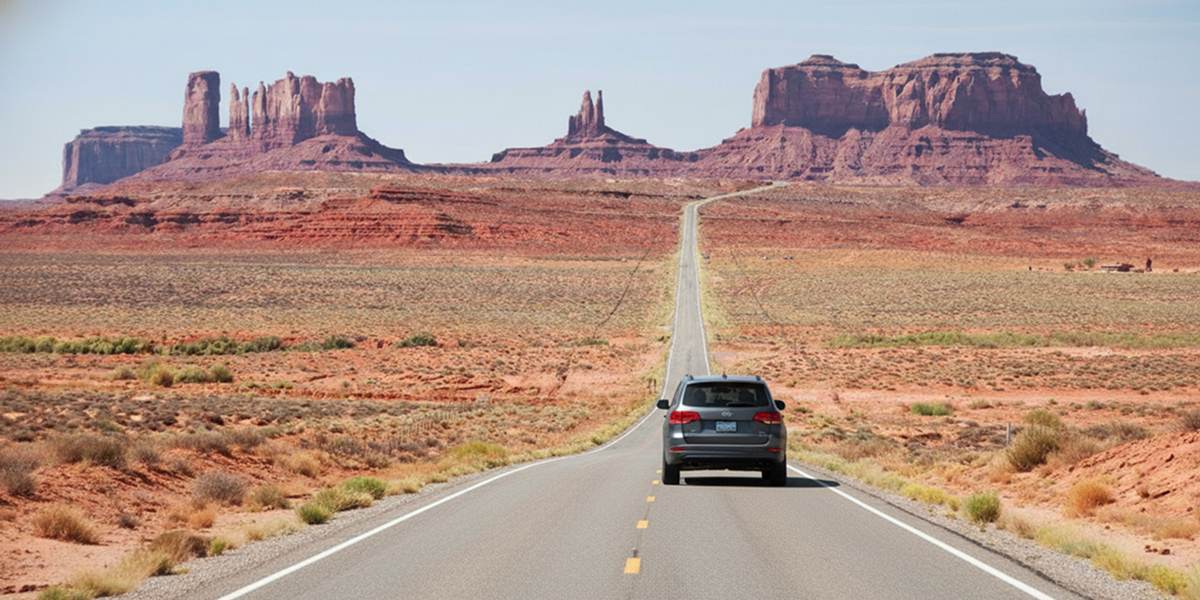
This is exactly where you will experience the real thrill of driving US Route 50. Long empty highways, ghost towns and deep silence make it the loneliest road in America. The total drive time from Torrey to Nevada is around 6 to 8 hrs, which we will divide across 2 days.
Leave Utah early and then gradually drive towards Nevada. Now everything becomes more empty & raw.
Here, you will find limited stores and stations, so make sure to take a stop at Baker for fuel and snacks. Buy enough water bottles and food for the next stretch.
During the Afternoon, you can explore the Great Basin National Park. This is one of the most underrated national parks in the U.S. Drive up to see Wheeler Peak along the ancient Bristlecone Pine Grove trees.
Take a guided tour if the Lehman Caves are open (and if you are lucky!). Here you can easily spend 2–3 hours max.
Around 4:30 PM, drive towards Ely. Eat at the Cellblock Steakhouse for a super unique experience, you will be eating inside a former jail!
Spend your evening in Ely. It is an old town with railroads and ancient spots. Here, you will feel like time is frozen. Make sure to visit the Nevada Northern Railway Museum and enjoy one of the darkest skies of your trip.
Go the classic way by staying in the roadside motels or you can even opt for camping if you have the proper gear.
On the 9th day, start from Ely towards Austin & then Central Nevada. Start your morning with a light breakfast at Economy Drug & Old Fashioned Soda Fountain. After having your meal, we will start with the main drive: the most iconic stretch of Highway 50. You may not see a car for 20 to 30 minutes.
Take the first stop in Eureka. It is a historic downtown with vintage saloons in 1800s buildings. The second stop will be in Austin, a tiny town. It is full of photo stops, right from the Stokes Castle, old churches & remote areas.
For lunch, have the homemade pies, burgers and coffee refills. A must try (if available) - Nevada has a strong Basque immigrant history, try its family-style meals, which include stews, lamb dishes, fresh bread, etc.
After having your meal, head west. You may take a break to sit in silence & enjoy nature with empty roads. For night, you can stay either in Austin or continue toward Fallon. This route is completely disconnected from the modern world, which is what makes it so special.
Day 10: Lake Tahoe & Sierra Nevada
This day will be all about relaxing and celebrating your journey. Start from central/western Nevada (Austin / Fallon area) wherever you have stayed the last night. Slowly you will see a transition from a dry desert to pine forests.
Take the first stop at Lake Tahoe, surrounded by beautiful mountains (your picture perfect moment). After spending time here, head to the South Lake Tahoe. Here you can enjoy at beach, swim or do kayaking /or paddleboarding. The gears are available to rent near the shore.
For lunch you can try the sea food at The Boathouse on the Pier. Drive around the Lake at noon and explore Emerald Bay and Sand Harbor.
Watch sunset reflect on lake surface (one of the most peaceful moments of your trip) and end your day with a dinner at the lakeside. Try the local wine along with Californian cuisine.
Day 11–12: Sacramento
Drive through the Sierra Nevada, you will notice mountains slowly disappear, roads widen and civilization returns. Take a midway break at Placerville. You can even take a short walk on Main Street to stretch your legs.
At around 12:30–2:00 PM, reach Sacramento. It is known as America’s Farm-to-Fork Capital. Have lunch at The Kitchen Restaurant (if you want a premium experience) or you will find various casual local spots in Midtown.
After having your lunch, explore the Old Sacramento Waterfront, walk on wooden boardwalks, visit small museums, shops etc. The final stretch will be all about relaxation as you have just finished your journey by crossing the 12 states of the nation.
On day 12th, you can explore the Midtown Sacramento and drive to the Napa Valley for a day trip. The drive takes around 1.5–2 hrs one way. Here, you can visit the Vineyard, have wine tasting experiences and enjoy the scenic countryside drive.
Those who are skipping Napa can try more local food, visit museums and just relax with no to-do list. Do anything what pleases you the most as you need to celebrate the success of this grand road trip of your life!
Where to stay on the loneliest road in America
You will find several budget-friendly accommodations on US Route 50. The key is to plan smart & know your options beforehand:
- Roadside Motels: at least once in a lifetime, you should have this “Classic American” experience by staying in a motel. Chains like Motel 6 and Super 8 are among the affordable options, convenient & widely available.
- Campgrounds: opt for camping in Utah and Nevada. You will get multiple cheap alternatives with great scenic views. It is worth all for the most memorable drive of your life.
- Small-Town Inns: another economical option is the historic inns in small towns like Eureka and Austin. Some of these inns might cost you less than chain hotels and offer more authenticity.
- Airbnb & Cabins: this option is feasible if you are travelling in a group or if staying in one location for plenty of days.
- Hostels: they are less common in remote stretches like Nevada, but you’ll find excellent options in Colorado (11th Avenue Hostel), bunkhouses in Utah and at the end of your journey in California.
Let’s plan your US Route 50 road trip
Decide your route & direction
Because Route 50 is a coast-to-coast drive, you have 2 ways you can do it. First option is East → West, i.e. starting from Ocean City & ending at Sacramento (that we have already discussed in the itinerary).
The second option is by going West → East. Start from Lake Tahoe and the Sierra Nevada & end with the calmer countryside of Ocean City.
We suggest going for the East to West drive for a more dramatic experience.
How many days do you need?
A minimum of 7 days is required if you want to finish the drive quickly. However, we recommend spending 10 to 14 days to take the full experience (first-time travellers generally opt for this period). That being said, if you are a slow traveller, you can complete the US Route 50 drive in 2–3 weeks.
Choose the best time to travel
The time of the year in which you plan your US Route 50 drive can change your entire experience. So choose the season wisely. Spring (March, April, May) offers mild weather with fewer crowds & beautiful landscapes.
Summer (June, July, August) is ideal for full access to everything, be it stays, attractions, national parks or road conditions. However, you must also note that it is very hot (sometimes above 40°C/104°F) in the Nevada desert.
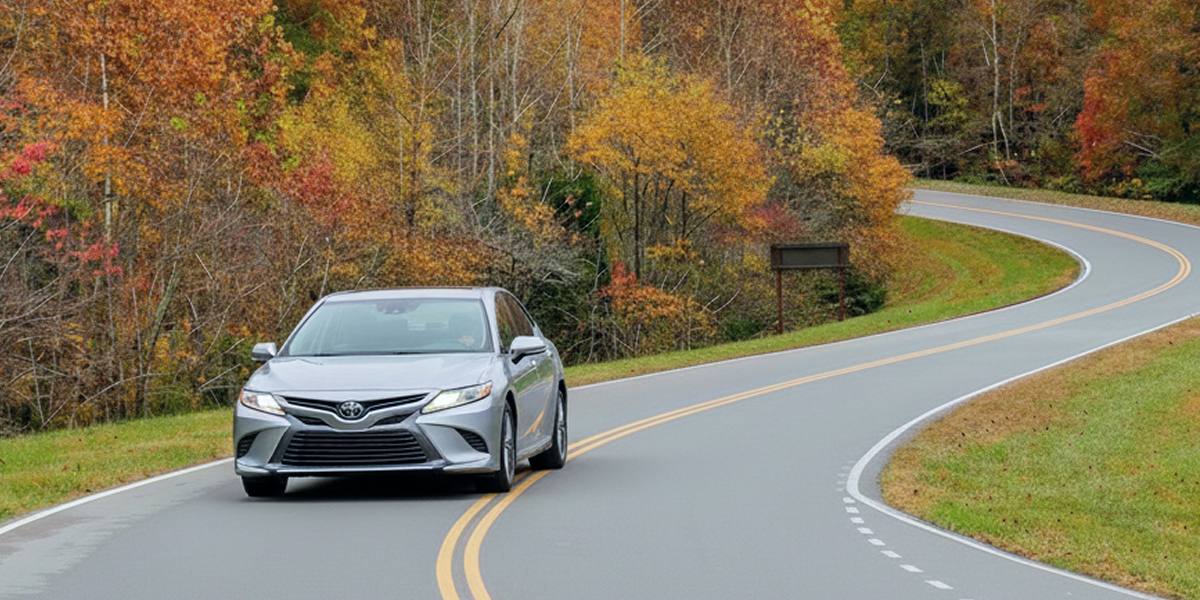
You will enjoy the cooler temperatures in the fall (September, October, November) along with the scenic colours in the mountains.
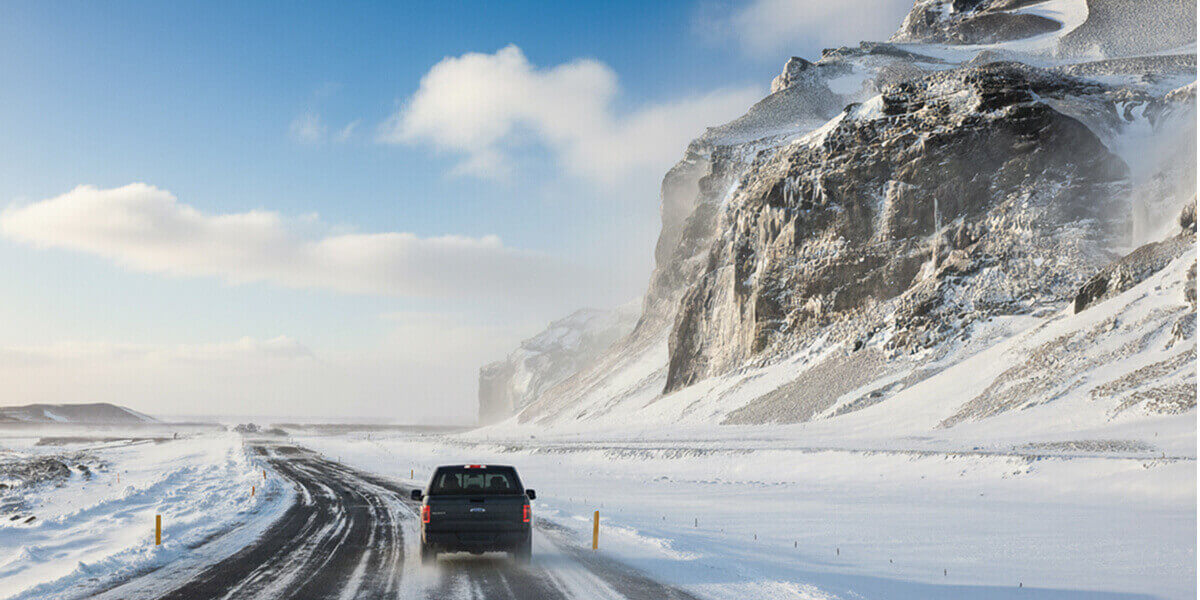
During peak winter months (December, January, February), it snows in Colorado and the Sierra Nevada, so there are chances of road closures. It is better to ask the tourism authorities before you start your journey.
Choosing the right vehicle
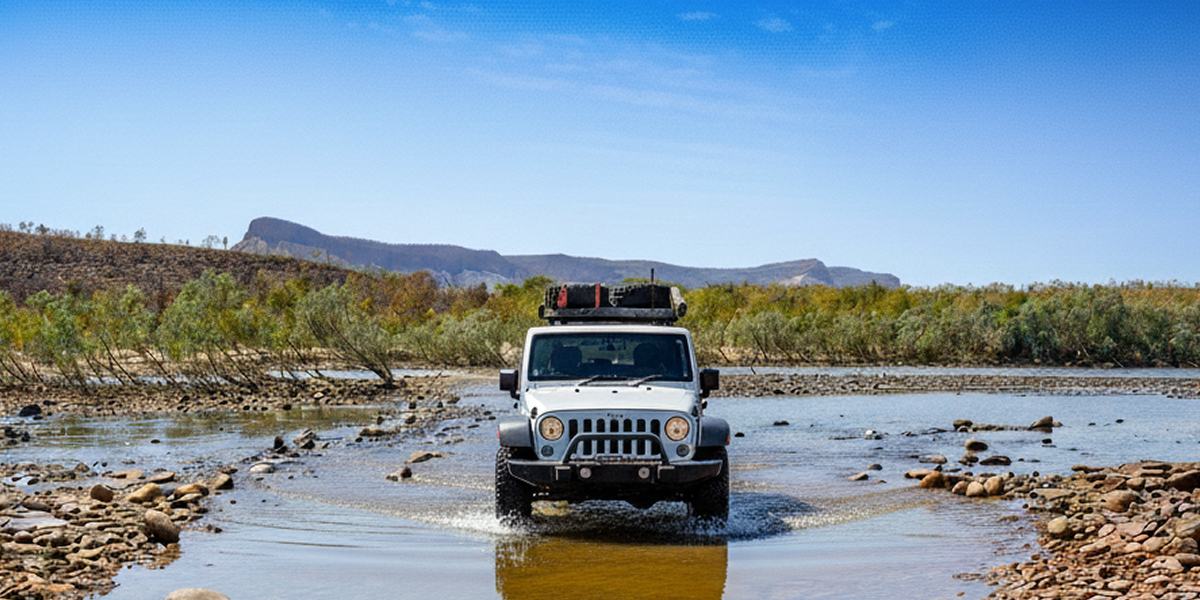
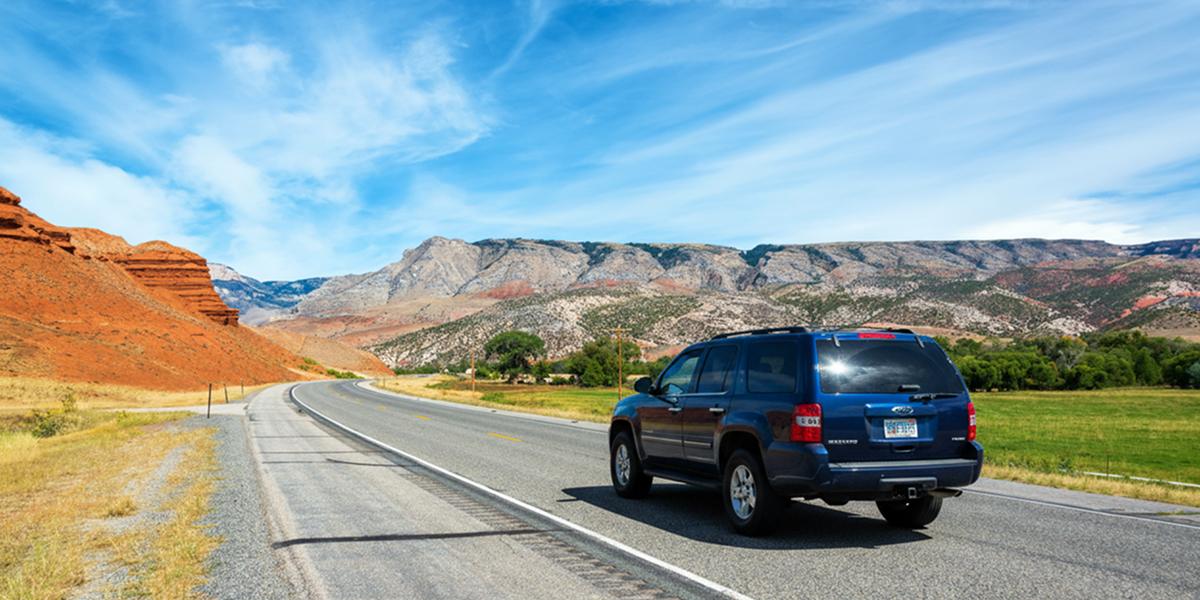
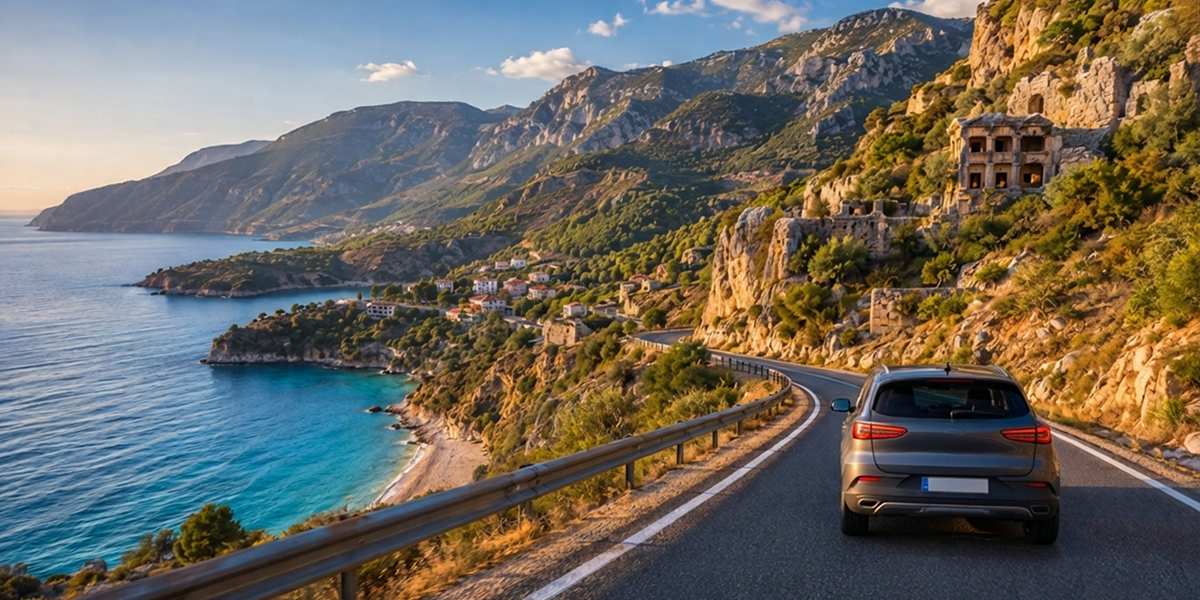
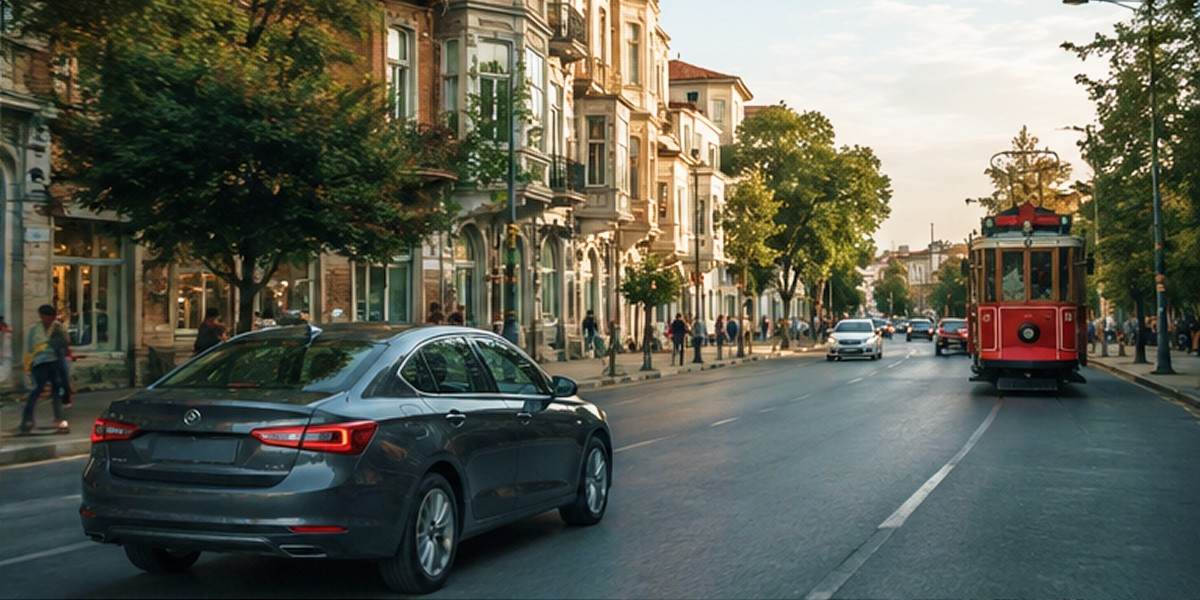
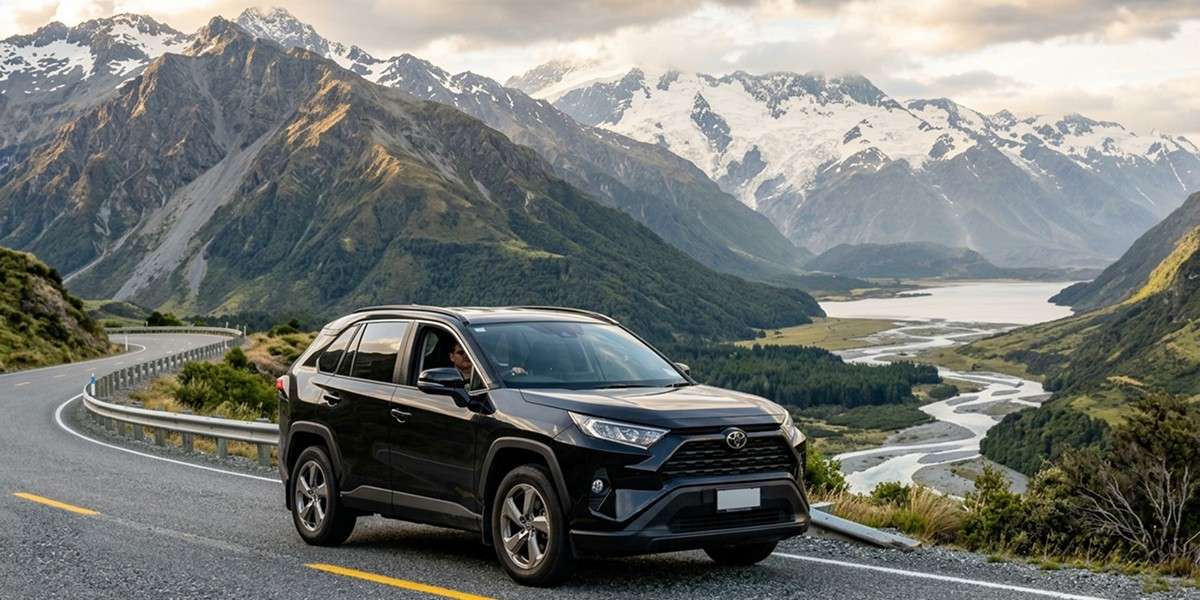
Make sure your car can easily handle the terrain changes (mountains + desert) as you drive ahead. You can even consider the car rental options in case you don’t want to take your personal vehicle.
The vehicle you select must have enough space to accommodate all your essential things. Another thing to focus on is the fuel range and reliability of your car. The best options are opting for a fuel-efficient standard or intermediate sedan or an SUV.
Fuel & distance planning
This is the most crucial part of your journey because gas stations are 80–160 km apart, especially in Nevada. Some of them operate for a limited time.
So the rule is to never let your tank drop below half. Whenever you spot a station without any second thoughts, just refuel & make sure to always have a backup fuel for emergencies.
Connectivity & navigation
In certain parts of the US Highway 50 route, you will lose signal. So make sure to download offline maps like Google Maps. As a backup, carry a physical map and save all the key stops in advance, including hospitals or help points. Plan your stops wisely & do not overdrive as this journey is not about the speed.
Your essential packing list
Here are some must-haves that you cannot forget while packing your luggage: water (at least 3–5 litres per person), snacks to enjoy while driving, a first-aid kit, a power bank, a flashlight, a cooler box which is optional but it may be really useful while travelling in the summer. If you are planning to camp, carry the complete gear and an extra fuel can.
Some driving tips for the loneliest road
- Watch for wildlife & stay alert on empty stretches as animals appear suddenly. When you spot an “Open Range” sign while driving US Route 50 in Nevada, be prepared because animals like cattle may be on or near the road at any time.
- There are no fences and dark-colored animals can be hard to spot, particularly at night. The key is to always keep your headlights on, slow down & be patient if they’re crossing.
- Before entering a remote stretch, check your tires condition, carry a spare tire and always inspect the brakes & engine carefully.
- Try to start your drive early in the day. This way, you can avoid the extreme afternoon desert heat, can take plenty of stops by exploring the region nicely and can reach your next stop before it gets too dark.
- Open desert areas in Nevada can have sudden wind gusts so always be alert and keep both hands on the steering.
- Taking breaks in between is important not just for yourself but also for the car. Long desert drives can strain your vehicle, so let it cool down completely & then continue your journey.
- No matter how tempted you get to see the open roads, stick with the speed limit & be more careful on curves in small towns. Most of the accidents happen mainly due to overspeeding.
Some hidden gems along Route 50 US
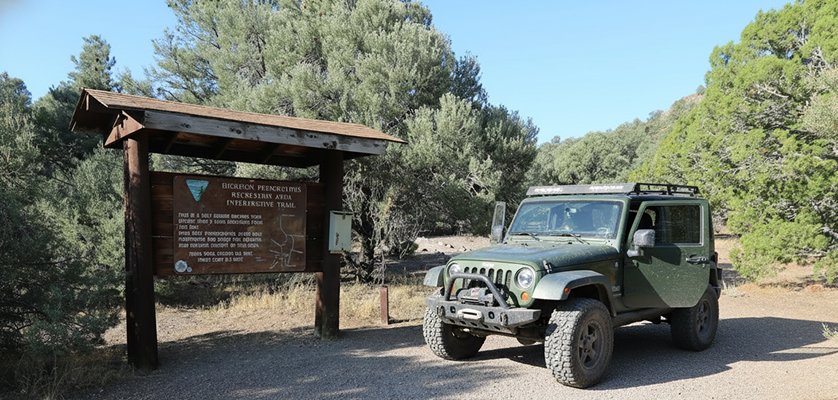
Given below are some of the lesser-known places that you must explore along your drive. These spots are not so popular, but that is the best thing, right?
- Berlin Ghost Town & Ichthyosaur State Park: take a stop in Nevada to see a fascinating mix of a preserved mining ghost town and ancient marine fossils. You can walk through abandoned buildings and then see the remains of prehistoric sea creatures.
- Sand Mountain: a massive, isolated sand dune rising out of the desert. It’s quiet, surreal and often missed by travellers rushing through Nevada.
- Hickison Petroglyph Recreation Area: this place is completely off the usual tourist radar, crossing Nevada. Basically, they are ancient rock carvings created by Native Americans thousands of years ago. Take a short walk to see mysterious symbols etched into stone.
- Kit Carson Trail: located in Colorado, this trail is filled with preserved 19th-century homes and stories from the Old West. It is perfect for a quiet cultural stop for history lovers.
- Wilson Lake: also called the “Clearest Lake in Kansas,” this peaceful spot offers a refreshing break from long drives with scenic views and calm waters.
- Toadstool Hoodoos: located in Utah, it feels like a miniature fantasy world with strange mushroom-shaped rock formations. Not many people know about this wonderful spot for a break.
Conclusion
The experience of driving US Route 50 is all about slowing down, appreciating simplicity & finding beauty in the in-between moments. Right from Ocean City to the quiet charm of Sacramento, this drive takes you across changing landscapes & cultures.
But what truly makes it a special memory is when you are on the loneliest stretch through Nevada. Here, silence becomes your companion and the road seems never-ending.
Just make sure to pack wisely, choose your adventure spots beforehand & select a car that makes your journey comfortable.
Travellers want to know
-
How is the US Route 50 road conditions?
The road conditions on US Route 50 are generally good and well-maintained across many states. However, in some remote areas in Nevada, you have to go through isolated stretches with minimal services, occasional rough patches and limited lighting at night. Overall, it’s a smooth drive, but requires alertness due to its remoteness and changing terrain.
-
How long is the Nevada stretch of US Route 50?
The Nevada stretch of U.S. Route 50 is approximately 409 miles (658 km) long, running across the state of Nevada from west to east. This is the famous section known as the Loneliest Road in America.
-
Which type of vehicle is best for driving the loneliest road in America?
For driving Highway Route 50, a reliable, fuel-efficient mid-size sedan or a comfortable SUV is ideal. Sedans are great for saving fuel on long stretches, while SUVs offer extra comfort and stability in remote areas like Nevada.
-
What are the top US Route 50 attractions?
Top attractions along the route include Lake Tahoe for its stunning alpine scenery, Great Basin National Park for stargazing and ancient trees & Capitol Reef National Park for dramatic red rock landscapes, along with charming historic towns scattered across Nevada.
-
Is US Route 50 scary to drive?
Driving US Route 50 is safe and well-maintained. However, its remote stretches, especially in Nevada, can feel intimidating due to long empty roads and limited services. With proper planning, it’s more peaceful than frightening.




'%3E%3Ccircle cx='0' cy='0' r='7' fill='%23fff'%3E%3CanimateTransform attributeName='transform' type='scale' begin='-0.24691358024691354s' calcMode='spline' keySplines='0.3 0 0.7 1;0.3 0 0.7 1' values='0;1;0' keyTimes='0;0.5;1' dur='0.6407407407407407s' repeatCount='indefinite'/%3E%3C/circle%3E%3C/g%3E%3Cg transform='translate(50 50)'%3E%3Ccircle cx='0' cy='0' r='7' fill='%23fff'%3E%3CanimateTransform attributeName='transform' type='scale' begin='-0.12345679012345677s' calcMode='spline' keySplines='0.3 0 0.7 1;0.3 0 0.7 1' values='0;1;0' keyTimes='0;0.5;1' dur='0.6407407407407407s' repeatCount='indefinite'/%3E%3C/circle%3E%3C/g%3E%3Cg transform='translate(75 50)'%3E%3Ccircle cx='0' cy='0' r='7' fill='%23fff'%3E%3CanimateTransform attributeName='transform' type='scale' begin='0s' calcMode='spline' keySplines='0.3 0 0.7 1;0.3 0 0.7 1' values='0;1;0' keyTimes='0;0.5;1' dur='0.6407407407407407s' repeatCount='indefinite'/%3E%3C/circle%3E%3C/g%3E%3C/svg%3E)