Renting a car in Australia is one of the best ways for Americans to explore the country’s cities, coastlines & wide-open landscapes, but let us tell you that it’s also very different from renting a car back home.
The country has its own driving laws, licensing requirements, toll systems & insurance structures that can surprise even experienced drivers. Before you book a car or land in Australia, let’s clear up the biggest question first, so you can save money, avoid stress & start your trip with confidence instead of confusion.
Can you rent and drive a car in Australia with a U.S. license in 2026?

Yes, you can rent & drive a car in Australia with your US license. The process is straightforward if you understand how licensing rules work for visitors.
Because American licenses are issued in English, they meet Australia’s language requirements and generally do not require translation. This means most rental companies and law enforcement authorities will recognize your license without any additional paperwork.
In most cases, an International Driving Permit (IDP) is also not required for American drivers. Since your U.S. license is already in English, it satisfies legal driving requirements in all states and territories.
Note: Some rental suppliers may recommend an IDP as an extra form of identification, especially if you plan to drive long distances or outside major cities. While optional, it can be helpful as a backup.
How long can you legally drive as a visitor?
You can drive in Australia for the duration of your tourist visa using your U.S. license, provided you:
- Remain a temporary visitor (not a resident)
- Follow all local road rules
- Carry your physical U.S. license while driving
Once your visa status changes to residency, different licensing rules apply.
How old do you need to be to rent a car in Australia?
Understanding age rules is essential before booking a rental car in Australia, as legal driving age and rental company policies are different.
The minimum legal driving age in Australia is generally 17 or 18, depending on the state or territory. However, this only determines when someone can legally hold a license; it does not mean you can hire a car at that age.
Most rental companies require drivers to be at least 21 years old, and many set the minimum age at 25 for certain vehicle categories. Additionally, if you are under 25, you’ll have to pay a young driver surcharge; the rate varies by rental supplier and location.
How much does it cost to rent a car in Australia with a US license in 2026?
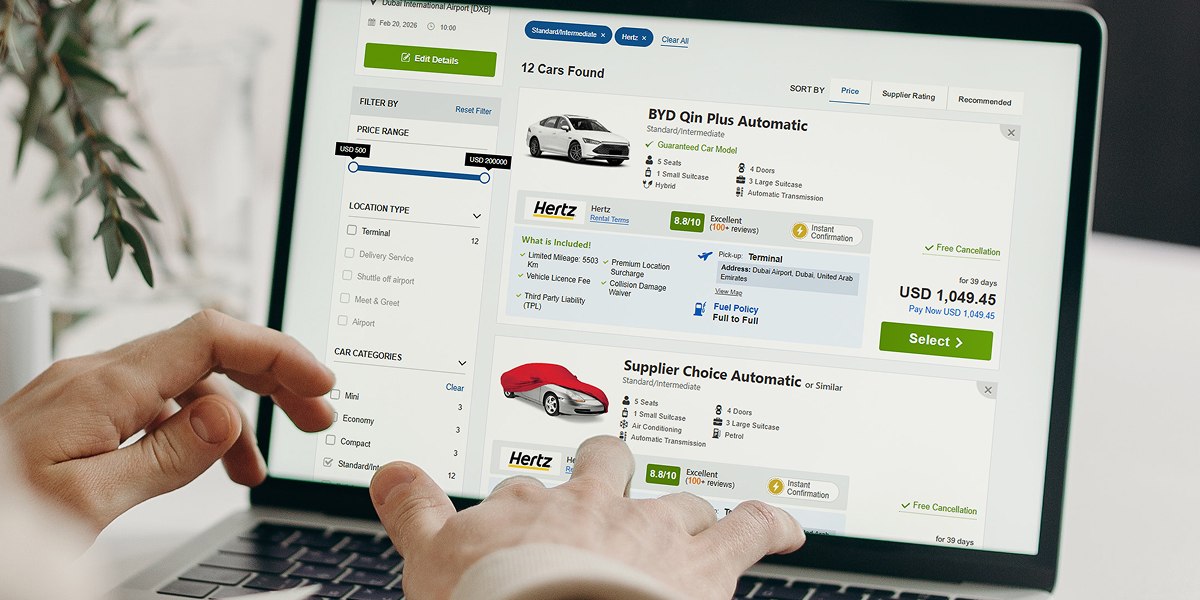
Car rental prices in Australia depend on factors like vehicle type, location and travel season. If you are an American traveler, understand the typical costs and common add-ons to avoid surprises at the counter.
Average car rental prices in Australia
As a general guide, daily rental rates typically fall into these ranges:
- Mini/Compact: starting from USD 37.49 per day
- Economy cars: starting from USD 40.11 per day
- Mid-size / standard cars: starting from USD 46.24 per day
- SUVs: starting from USD 40.56 per day
- Luxury/Premium: starting from USD 86.78 per day
- Vans/Minivans: starting from USD 111.54 per day
Note: The prices mentioned above are for ADL Airport & are subject to change. Rental rates can vary depending on your supplier, location, vehicle availability, booking time & seasonal demand, so it’s always best to check current rates before making a reservation.
City vs Airport pricing
If you’re traveling from the U.S. and wondering whether to pick up your rental car at the airport or an off-airport location, let us help you make the right choice.
Airport pickups are incredibly convenient as no shuttles or extra transport are required after your flight, but convenience comes at a price. You have to expect higher daily rates due to airport surcharges, concession fees & sometimes limited vehicle availability.
Off-airport locations, usually in city centers or near train stations, are often cheaper by 10–30%. You might need a short shuttle, taxi, or rideshare to reach the rental office, but for longer stays or more expensive vehicle types, the savings can add up quickly.
Tips for U.S. travelers:
- If you land late at night, an airport pickup may save stress even if it costs more.
- For multi-day rentals, check nearby city locations; some suppliers can offer the same cars for less.
- Compare total costs, including transport to the rental office, before making a decision.
Peak vs Off-season costs
Planning your trip dates? This is where timing can save you a lot. Rental prices rise sharply during peak travel periods, especially December to January (Australian summer holidays), Easter & major school holiday weeks. During these times, demand is high and vehicle availability is limited, pushing daily rates up fast.
If your itinerary is flexible, consider traveling in the off-season, particularly late autumn and winter (excluding tropical regions like far-north Queensland). During these quieter months, rental rates can drop by 20 to 40%, and you’ll often have a wider choice of vehicles.
A simple date change can mean the difference between paying premium prices and getting a great deal.
Extra fee & charges for car rentals in Australia
When making a reservation, most of us focus on the daily rate and don’t pay much attention to the extras but these small add-ons can add up quickly and make a big difference to your final cost.
- Young driver fees: drivers under 25 usually pay an additional daily surcharge.
- Extra drivers: additional authorized drivers often cost extra per day.
- GPS & child seats: GPS units, child seats and other accessories are rarely included and can be expensive if added at pickup.
- One-way rentals: to make your travel experience more convenient, the cost of one way rental is already included in the rental price, so you don’t have to worry about any extra charges.
Taking a moment to review these charges in advance can help you avoid surprises and stay within budget.
Essential rental car insurance tips for US drivers in Australia
Most rental cars in Australia come with Collision Damage Waiver (CDW), Theft Protection and Compulsory Third-Party Liability (TPL) as standard, giving you basic coverage for accidents, theft & injury to others.
However, you can always upgrade for more protection, such as reducing your excess, adding roadside assistance or purchasing full coverage, which can provide extra peace of mind, especially if you’re driving long distances, renting a premium vehicle, or traveling with family.
Does US credit card insurance work in Australia?
Some U.S. credit cards provide rental car insurance, but there are important points that you must consider:
- Coverage may only apply if you decline the rental company’s CDW.
- Certain vehicle types (SUVs, luxury cars) or rentals in remote areas may be excluded.
- Policies often don’t cover liability for damage to other people or property.
Tip: Always check your card’s policy carefully before relying on it in Australia.
Key differences Americans should know when driving in Australia
Driving in Australia does feel different, especially in the first few days, particularly if you’re used to driving in the U.S. But once you adjust to the differences given below, it becomes surprisingly easy. Understanding these key changes upfront can help you avoid mistakes, save money, reduce stress & enjoy your time on the road with confidence.
Driving on the left is the biggest change
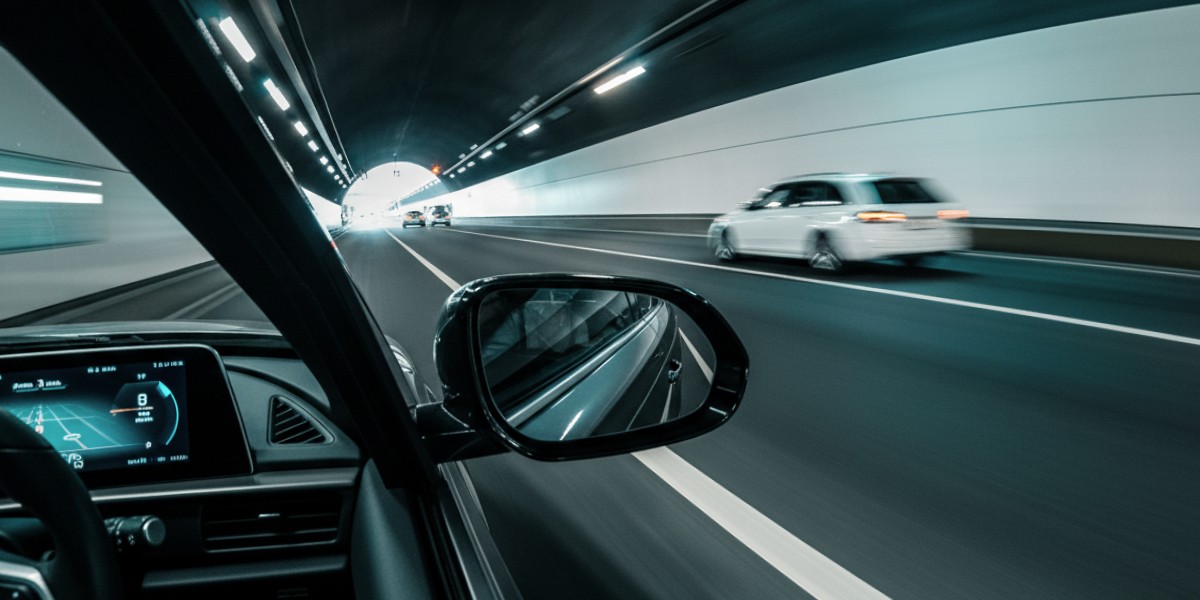
The driver’s seat is on the right side of the car and traffic flows on the left. This feels most confusing at intersections, after making turns & when entering parking lots, so it is advised to take the turns slowly until you get a hold of it.
Roundabouts are everywhere, far more common than in the U.S.
Vehicles already in the roundabout have the right of way and make sure to give way before entering. Using turn signals correctly when exiting is expected and enforced in many areas.
Speed limits are posted in kilometers per hour (km/h), not miles per hour (mph)
As an estimate, 50 km/h ≈ 31 mph and 100 km/h ≈ 62 mph. Speed limits change frequently, especially near schools and construction zones, so staying alert is essential.
Speed cameras and fines are widespread and heavily enforced
Fixed, mobile, and even point-to-point average speed cameras are common and tickets can be issued automatically even for small amounts over the limit. Fines can be mailed to you after your trip.
Mobile phone laws are much stricter than in many U.S. states
You generally cannot touch your phone at all while driving, even at red lights or in traffic, unless it’s fully hands-free. Violations come with steep fines and penalties.
State rules you should know before you rent a car in Australia as a U.S. driver
Some states have distinctive rules that often surprise you:
- Victoria (Melbourne) uses “hook turns,” requiring drivers to turn right from the left lane at certain intersections.
- Northern Territory has remote highways with no posted speed limit, though safe driving laws still apply.
- South Australia and NSW enforce minimum passing distances when overtaking cyclists.
- Western Australia and Queensland involve long rural stretches where fuel planning is critical.
What US drivers need to know about rural & long-distance driving in Australia
Driving outside Australia’s major cities is an incredible experience but it comes with challenges that many U.S. drivers aren’t used to. Long distances, limited services & unique road conditions mean preparation is essential. With the right planning, your journey can be safe, unforgettable, and well worth the effort.
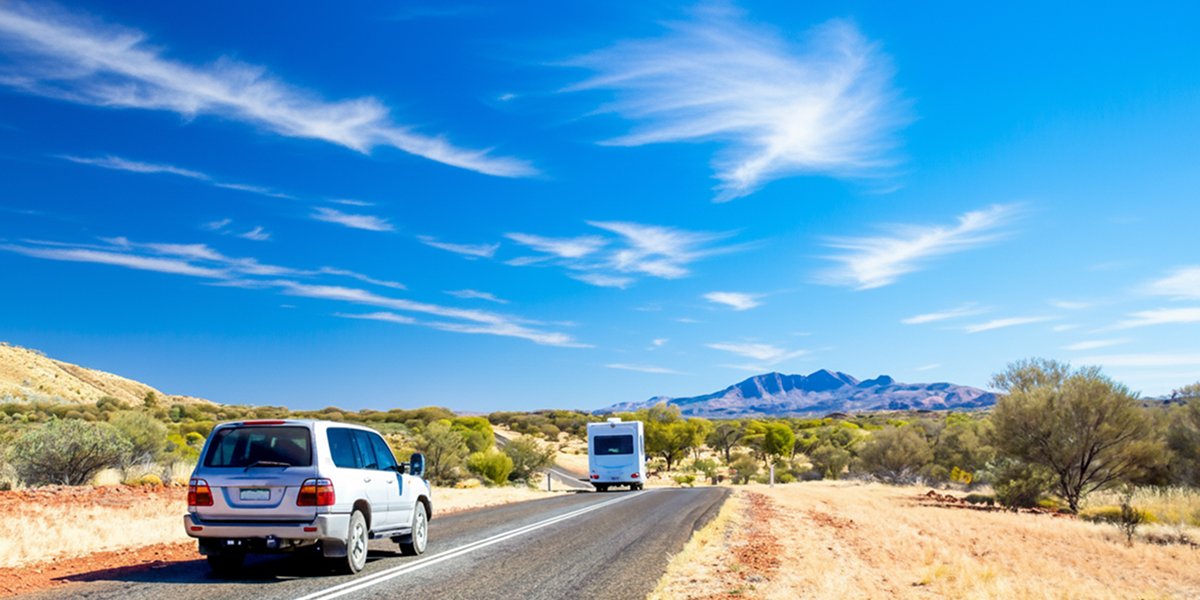
- Wildlife hazards are a serious concern in rural areas. Kangaroos, wombats, wallabies, and livestock frequently cross roads, especially at dawn and dusk. Collisions can cause major vehicle damage, so slowing down in signed areas is critical.
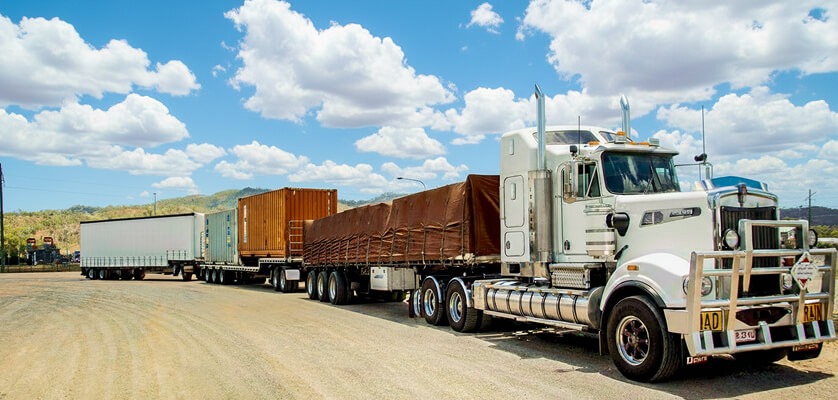
- Road trains, which are extremely long trucks with multiple trailers, are common in remote regions. They take a long time to overtake and create strong wind gusts. Only pass when visibility is clear & you have plenty of space.
- Fuel distances can be far greater than what Americans expect. In remote areas, gas stations may be hundreds of kilometers apart, so it’s important to refuel whenever possible and never let your tank run low.
- Night driving is riskier in rural Australia due to poor lighting, wildlife activity, and fatigue from long stretches of empty road. If possible, plan your driving during daylight hours.
- Emergency preparedness is crucial. Carry water, snacks, a phone charger & offline maps, and let someone know your route if traveling remotely. In some areas, roadside assistance and cell service can be limited.
Tips for renting a car in Australia with a US license in 2026
Renting a car in Australia with a U.S. license is simple, but a few smart decisions can make the experience smoother, safer & more cost-effective.
-
Car rental deals & discounts
Look for car rental deals before you book. Comparing prices at multiple platforms and checking for free cancellation rates can help you lock in a good deal and rebook if prices drop.
-
Booking tips
Book early to get a cheap car rental in Australia. Compare airport and city locations, check cancellation flexibility, confirm unlimited mileage & review insurance excess amounts carefully. If you’re planning long-distance or interstate travel, verify that it’s allowed in your rental agreement.
-
When to pick up and return
After a long international flight, consider delaying pickup until you’ve rested as fatigue plus left-side driving is a common issue for most Americans. For returns, refill the tank close to the drop-off point, allow time for inspections & confirm after-hours return procedures if applicable.
-
Apps & navigation tools
Google Maps and Apple Maps work well in cities but always download offline maps for road trips. Apps for fuel stations, toll roads and road conditions are especially useful in rural or regional areas.
-
Tolls & payments
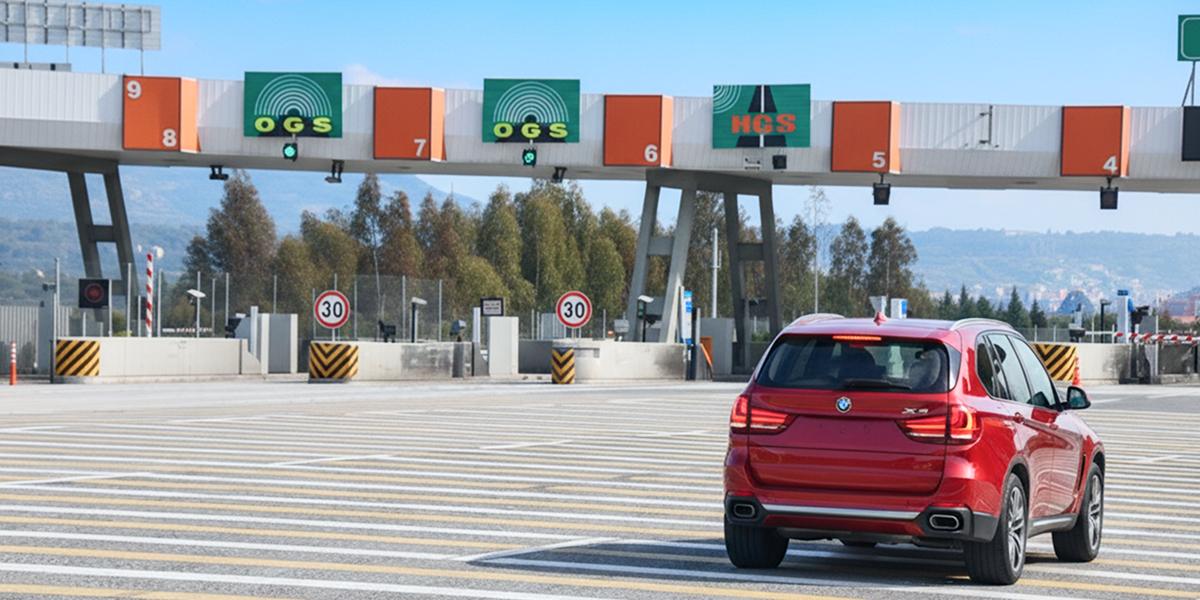
Many Australian cities use cashless toll roads. Check how your rental supplier handles tolls, as some might charge daily toll access fees in addition to the toll itself.
-
Fuel & vehicle type
Before driving off, double-check which fuel the car uses (petrol or diesel), so you avoid a costly mistake at the pump. Choose a vehicle that matches your trip, as smaller cars are easier to handle and park in cities, while SUVs are more comfortable for long distances or rural roads.
-
Final pre-drive checklist
Take a few photos of the car for your records, set up hands-free navigation, adjust mirrors and seating for right-side driving & note the emergency contact details. Make sure your U.S. license and rental agreement are easy to reach. These quick steps help to have a great start to your drive.
Final thoughts: Is renting a car in Australia worth it for US travelers?
For most U.S. travelers, renting a car in Australia is absolutely worth it. While there are some differences in driving rules, insurance & road conditions compared to the U.S., these are easy to manage with a little preparation. Having your own vehicle gives you the freedom to explore beyond major cities, reach coastal drives, national parks and most importantly, travel at your own pace, something public transport often can’t offer.
Must-know FAQs for Americans renting a car in Australia
-
Can I rent a car in Australia with a U.S. driver’s license?
Yes, U.S. citizens can rent and drive a car in Australia using a valid U.S. driver’s license, as long as they are visiting on a temporary visa.
-
Do I need an International Driving Permit (IDP) in Australia?
In most cases, no. Because U.S. licenses are in English, an IDP is usually not required, though some rental companies may recommend it.
-
How old do you have to be to rent a car in Australia with a U.S. license?
Most rental companies require drivers to be at least 21 years and drivers under 25 years often pay a young driver surcharge.
-
Is car rental insurance mandatory in Australia for U.S. drivers?
Compulsory third-party injury coverage is included by law in Australia; however, additional coverage and excess reduction are strongly recommended for travelers.
-
Is driving in Australia difficult for Americans?
It can feel unfamiliar at first due to left-side driving and strict enforcement but most Americans adjust quickly with a bit of preparation.
-
Should US travelers choose automatic or manual rental cars in Australia?
Most US travelers prefer automatic cars when renting in Australia because they are more familiar and easier to drive, especially since Australians drive on the left side of the road.
While manual cars are often cheaper to rent, they require shifting gears with the left hand and adjusting to opposite-side driving at the same time, which can be challenging for visitors from the United States. Choosing an automatic rental car can make the transition smoother and help travelers focus more on road rules and navigation rather than gear changes.
-
Can Americans drive between Australian states with a US driver’s license?
Yes, Americans can drive between Australian states using a valid US driver’s license as long as they are visiting temporarily and their license is in English. Australia allows tourists to drive across state borders without needing a separate permit for each state.
However, road rules, speed limits and driving regulations may vary slightly between states, so it’s important for travelers to check local driving laws before starting a long road trip. If staying for an extended period, some states may require an International Driving Permit or conversion to a local license.





























































'%3E%3Ccircle cx='0' cy='0' r='7' fill='%23fff'%3E%3CanimateTransform attributeName='transform' type='scale' begin='-0.24691358024691354s' calcMode='spline' keySplines='0.3 0 0.7 1;0.3 0 0.7 1' values='0;1;0' keyTimes='0;0.5;1' dur='0.6407407407407407s' repeatCount='indefinite'/%3E%3C/circle%3E%3C/g%3E%3Cg transform='translate(50 50)'%3E%3Ccircle cx='0' cy='0' r='7' fill='%23fff'%3E%3CanimateTransform attributeName='transform' type='scale' begin='-0.12345679012345677s' calcMode='spline' keySplines='0.3 0 0.7 1;0.3 0 0.7 1' values='0;1;0' keyTimes='0;0.5;1' dur='0.6407407407407407s' repeatCount='indefinite'/%3E%3C/circle%3E%3C/g%3E%3Cg transform='translate(75 50)'%3E%3Ccircle cx='0' cy='0' r='7' fill='%23fff'%3E%3CanimateTransform attributeName='transform' type='scale' begin='0s' calcMode='spline' keySplines='0.3 0 0.7 1;0.3 0 0.7 1' values='0;1;0' keyTimes='0;0.5;1' dur='0.6407407407407407s' repeatCount='indefinite'/%3E%3C/circle%3E%3C/g%3E%3C/svg%3E)