Why reading a rental car contract is important
Renting a car should be exciting and hassle-free, but many travelers overlook one crucial step and that is ‘carefully reading the rental car agreement.’ You may think, “Wait, what’s in the rental agreement that I should care about?” The answer is simple and quite intriguing.
These rental contracts contain essential details about rates, mileage limits and additional charges that can turn a smooth rental experience into a costly one. Understanding it ensures you know what exactly you are agreeing to, protects you from unexpected charges and helps you make smarter rental decisions.
In this guide, we are going to break down the key terms, common pitfalls and tips to review your rental agreement thoroughly, so you can enjoy your trip with confidence and total peace of mind.
What a car rental contract includes

Renting a car? Well yes, that contract you sign is more than just a piece of paper. It’s your guide to everything you need to know, so take a second to read it carefully. Trust us, knowing what's in it can save you from a lot of headaches and fees later. Here’s a quick rundown of what to look out for when you’re signing on the dotted line:
Rental Period
This one’s easy. It’s the dates you’re renting the car, from pick-up to drop-off. Double check those to make sure you’re not getting hit with extra days when you return it. If you’re even a little late, some companies can charge you a full extra day. Not fun.
Rates & Extra Charges
You’ll see the base rental price, but don’t stop there. Look for any additional fees, things like airport pick-up charges, late drop-off fees or extra driver fees. They might not be obvious at first, but they can add up.
Insurance Coverage
Here’s the thing: rental insurance. It’s usually required, but you can also add extra coverage like Collision Damage Waiver (CDW) or theft protection. Sure, it costs a bit more, but if something happens to the car, you’ll be glad you have it.
Fuel Policy
Make sure you know how the fuel works. Some places want you to return the car full, others want it back at the same level you picked it up at. If you’re not sure, ask. You don’t want to pay for a tank of gas you didn’t use.
Mileage Limits
Planning a long drive? Check if there’s a mileage limit. Some rentals have a cap on how many miles you can drive before they charge you extra. Others are unlimited, which is perfect if you’re going cross-country.
Security Deposit
Most companies will place a hold on your credit card as a security deposit. It’s refundable, but it’s there just in case of damage or unpaid fees. Make sure you know how much it is so you’re not caught off guard.
Driver Requirements
You’ve got to meet the rental company’s driver rules. Are there age restrictions? What about the kind of license you need? If you’re adding another driver, check if they charge extra for that, too.
Accidents or Damage Procedures
Hopefully, nothing goes wrong, but if it does, you want to know what to do. The contract will tell you how to handle accidents, damages or even theft. No one likes to think about it, but better safe than sorry.
Extra Charges for Add-Ons
Need a GPS or a baby seat? Be ready to pay extra for those. They’re convenient, but those little add-ons can really rack up the price, so ask ahead of time.
Bottom line: Once you know what to expect from the rental agreement, you’re in a much better spot to avoid the surprise costs and actually enjoy your trip. Keep it simple, stay informed and you’ll be good to go!
Key terms you should understand before signing
Rental contracts often contain industry-specific terms that can be confusing for first-time renters. Familiarising yourself with these terms ensures you avoid surprises and extra costs:
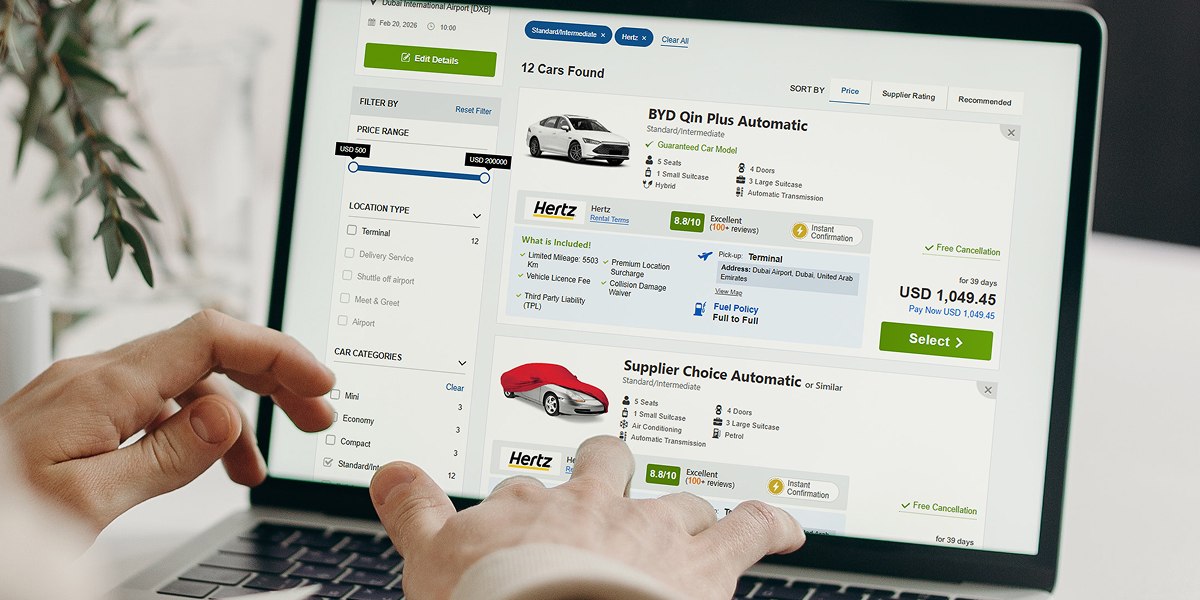
- Collision Damage Waiver (CDW): Limits your financial responsibility if the car is damaged. It does not always cover all types of damage, so check the fine print.
- Theft protection: It helps you protect if the car is stolen, but it may have exclusions.
- Third Party Liability (TPL): Protects you (from financial liability) if someone else is injured or their property is damaged while driving the rental. The section may have exclusions, so read carefully.
- Additional driver fee: If more than one person drives the car, many rental companies charge extra.
- Fuel terms: Full-to-full, same-to-same and other fuel policies are included here. Additionally, it contains potential charges for missing fuel.
- Late/early return fee: Any delay or advance arrival beyond the agreed time can trigger additional costs or no refund, respectively. Always check the contract for grace periods.
Let us give you a quick breather: Before you sign that rental agreement, take a deep breath and read everything thoroughly and yes, even the fine print! It might feel like a chore, but taking a few minutes to really understand what you're agreeing to will save you from those “What did I just agree to?!” moments later on. If you have any questions, ask right away.
Common additional and hidden fees in rental car agreements
Even when the base rate seems affordable, rental agreements often include extra fees that can significantly increase your total cost. These add-ons can quickly increase your final bill. Being aware of these in advance helps you plan within budget and avoid surprises. Other than additional driver fees and late/early return fees that we have discussed above, these include:
- Airport or location surcharges: Rentals picked up at airports and other premium locations often have additional fees due to convenience and added taxes.
- Young driver fees: Many companies charge extra for drivers who are below 25 years old. This is usually a daily fee added to the rental. But don’t worry, it’s not usually that huge yet it can add over the course of your contract.
- One-way fees: Additional charges are levied if you pick up your rental car from one location and drop it off at another.
- Cleaning or damage fees: Some rentals charge for excessive dirt, stains or minor scratches.
- Out-of-hours charges: If you arrive at the rental desk for pickup or return out of normal working hours of the supplier, you may get charged extra.
- Optional extras: Things like snow chains, GPS units and other add-ons may seem small but can become a big chunk of your final rental price.
Here’s the catch: Keep an eye on additional fees when you’re signing the contract, so you’re not left with sticker shock at the end. A little awareness upfront can go a long way in keeping your costs down.
Fuel policy and mileage rules
Fuel policy
Fuel policies can have a direct impact on your final rental cost, making it essential to understand them before driving away. Here are the ones that you can find in most rental agreements:
- Same to same: As per this policy, the fuel tank must be of the same amount when picking up the car as when dropping it off. If the fuel is less, the supplier will charge you an extra fee.
- Full to full: According to this policy, the supplier shall provide you with a car that has a full tank. You are required to return the car with a full tank as well. Any difference shall be charged at the price decided by the supplier himself.
- Full to empty: In this case, you pick up the car with a full tank and return it with an empty tank.
Mileage limits
Considering mileage limits is as important as fuel policy. Here are the two types of policies covered in this context:
- Limited mileage: Limited mileage means you will be given a limited number of miles that you can travel using your rental car. If you exceed the respective limit, you will be charged an additional price.
- Unlimited mileage: In this case, you are allowed to travel for an unlimited number of miles in your rental car. It is best for those who are undertaking long road trips.
Security deposit, payment and age requirements
Understanding the car rental security deposit and payment requirements is essential for avoiding unexpected costs. Most rental providers require a refundable deposit at the time of booking which serves as a guarantee against damage or fines. This deposit can vary by company but is usually held on your credit card until the car is returned in good condition.
When it comes to payment, most companies accept credit cards while a very few allow debit cards, with the requirement of additional verification. Always check if there is a requirement for credit card hold for the security deposit as this is where many renters are caught off guard.
Additionally, suppliers usually have age requirements for different car categories. Drivers under 25 may have to face a young driver fee while those over 70 could face restrictions. Ensure that you check minimum age requirements and check any additional charges that may come as young or senior drivers.
Tips to review car rental contract carefully
Before you sign any car rental agreement, it’s always good to take a breath, slow down and skim through your rental car contract. It is often noticed that a lot of travelers rush this step, only to be surprised later by charges they didn’t expect. A quick review can save you time, money and unnecessary stress later.
Here are points that you should consider step by step while reading the contract to easily understand everything.
- Start by checking the rental cover. Take time to see what’s already included and what’s excluded. This helps you decide whether you’re fully covered or if adding extra protection makes sense for your trip.
- Next, understand the fuel policy as this one trips a lot of travelers. Confirm whether you need to return the car with a full tank or if there is a prepaid fuel option.
- Also, keep an eye out for additional fees. Extra driver charges, toll costs and late return penalties can quietly increase your bill if you’re not aware of them upfront. Just take a glance over these fees so that they don’t sneak up on you.
- Don’t forget to confirm the mileage rules. While many rentals include unlimited mileage, some come with daily limits. Knowing this in advance helps you plan your journey without worrying about extra fees.
- Finally, check the rental conditions. Note the exact return time and understand the drop-off process so that you don’t get any surprises at the end of your rental period.
Here’s the deal: It might feel like a chore but spending a few minutes on the details now can save you from a lot of stress (and cash) later. No one likes surprise charges and this quick check makes sure that you’re all set!
Conclusion: Rent with confidence and NO surprises!
When you rent a car, confidence is the key. And this confidence comes from reading and understanding the contract fully. It will help you detect any additional charges or terms that may take you by surprise. You should know what key elements are included in your agreement and what you are agreeing to.
Taking time to read through the details can help for taking informed decisions and save you from surprises at the end of your rental. You can also ask questions to your supplier when something isn’t clear and make sure the contract matches what you were promised. A well understood agreement is not just paperwork; it’s a key to smooth and stress-free trip.
Rental car contracts: Questions travelers often forget to ask
-
Should I take pictures or videos of the rental car before driving away and dropping it off?
Yes, taking clear pictures or videos of the rental car’s exterior and interior at pick up and return can protect you from being charged for pre-existing damage.
-
Can I upgrade my car at pick-up?
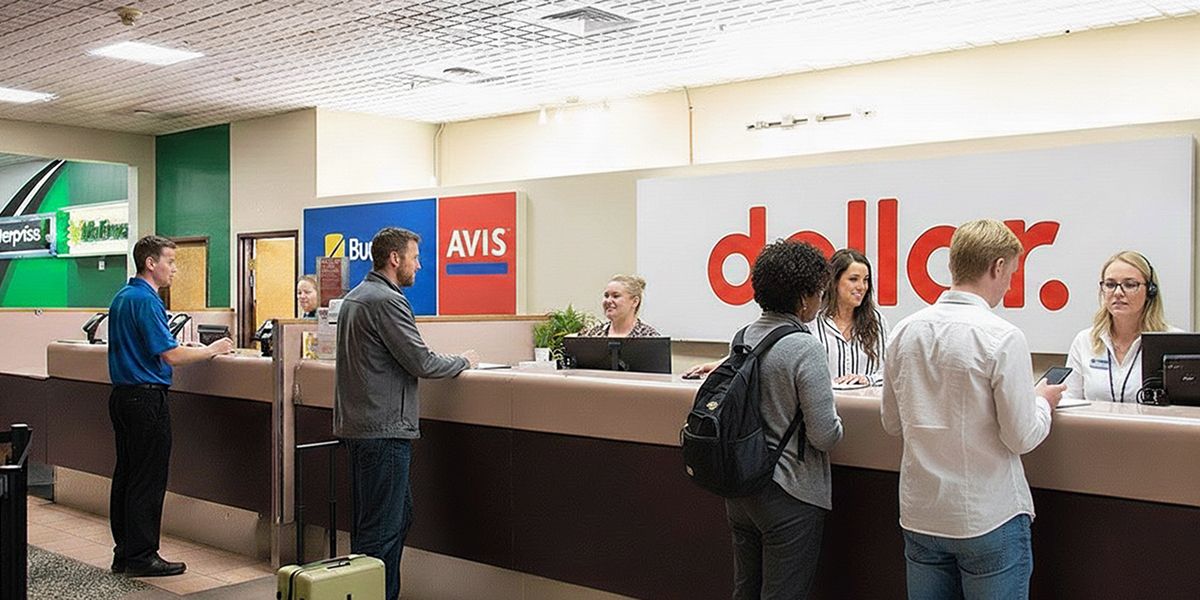
Yes, you can upgrade your car at the rental desk during pickup but availability is not guaranteed. Upgrades often come at a cost and you would be required to pay the amount that supplier asks you at that time.
-
What if my flight is delayed and I arrive late for pickup?
Some rental companies hold reservations for a limited time. If you expect delays, inform supplier or the associate in time. This will help you with no-show fee.






























































































































'%3E%3Ccircle cx='0' cy='0' r='7' fill='%23fff'%3E%3CanimateTransform attributeName='transform' type='scale' begin='-0.24691358024691354s' calcMode='spline' keySplines='0.3 0 0.7 1;0.3 0 0.7 1' values='0;1;0' keyTimes='0;0.5;1' dur='0.6407407407407407s' repeatCount='indefinite'/%3E%3C/circle%3E%3C/g%3E%3Cg transform='translate(50 50)'%3E%3Ccircle cx='0' cy='0' r='7' fill='%23fff'%3E%3CanimateTransform attributeName='transform' type='scale' begin='-0.12345679012345677s' calcMode='spline' keySplines='0.3 0 0.7 1;0.3 0 0.7 1' values='0;1;0' keyTimes='0;0.5;1' dur='0.6407407407407407s' repeatCount='indefinite'/%3E%3C/circle%3E%3C/g%3E%3Cg transform='translate(75 50)'%3E%3Ccircle cx='0' cy='0' r='7' fill='%23fff'%3E%3CanimateTransform attributeName='transform' type='scale' begin='0s' calcMode='spline' keySplines='0.3 0 0.7 1;0.3 0 0.7 1' values='0;1;0' keyTimes='0;0.5;1' dur='0.6407407407407407s' repeatCount='indefinite'/%3E%3C/circle%3E%3C/g%3E%3C/svg%3E)