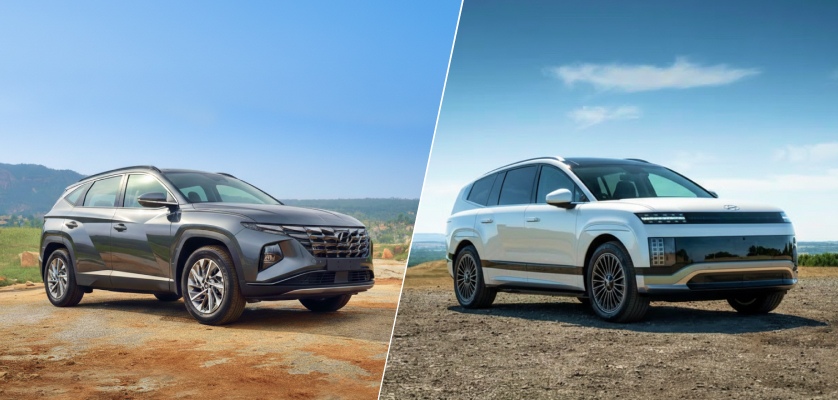
If you are planning to rent a car for a few weeks or a few months, there is one big question that pops up pretty fast that is should you go electric (EV) or stick with a petrol car?
Both options have their perks and some disadvantages. Costs, charging vs refueling, maintenance, range, convenience & much more, there is a lot to compare. Don’t worry as we’ve done the homework for you.
Below is a simple breakdown of long term EV rental vs petrol cars, so you can choose what actually is practical for your trip, budget & lifestyle.
1. Cost breakdown: EV vs petrol
Rental price & base rate
- Few years back, petrol cars used to be the cheaper option by default but the times have changed and that gap is getting smaller fast.
- In 2025, some big European rental companies like the Europcar Mobility Group UK already offered EVs at the same rental price as petrol cars. It was especially targeted for business customers. The idea was to make EVs less uncommon and more normal.
- That being said, in some markets, EVs can still cost a bit more upfront because batteries and electric tech are not that cheap. But once you factor in long term rental discounts, promotions or extended agreements, the difference often shrinks or disappears to some extent.
Fueling / Energy costs
One of the biggest cost differences comes after you pick up your rental car:
| Category | EV (per 100 km) | Petrol (per 100 km) |
|---|---|---|
| Rental energy | Varies (cheaper electricity vs expensive public chargers) | Petrol prices widely vary and often remain high |
| Examples | Thailand: varies from 60–114 THB UK: varies from £4–24 USA: varies from $3.25 to $10 |
Thailand: 250–500 THB UK: £13–18 USA: $8.00 - $12.00 |
- EV charging costs can be cheaper per mile/kilometer than petrol, especially if you can charge at home, hotel or workplace locations rather than premium public fast chargers.
- Petrol costs fluctuate with global oil prices and often remain a dominant share of running expenses for petrol rentals.
Maintenance & service costs
- EVs are mechanically simpler that means no oil changes required, have fewer moving parts and has less stuff that can break. Because of these factors, you face lower maintenance risk during your rental duration.
- Petrol cars on the other hand, have more traditional servicing needs, though most long term rental agreements cover basic maintenance anyway.
Taxes and incentives
- Clearly here EVs win because in many countries like Norway, Germany & Italy, they benefit from reduced road taxes, discounted or free parking & exemptions from congestion or low-emission zone charges.
These incentives can lower the overall cost of renting an EV, especially in city centers.
- Petrol cars are often subject to higher fuel taxes, congestion charges and emissions-related fees, which can increase travel costs in certain regions.
Always check local regulations, as incentives and charges vary by country and even city.
2. User experience: Charging vs refueling
Refueling time & convenience
Petrol Cars:
- Filling a petrol car takes minutes at widely available petrol stations.
- Petrol networks are extremely dense and predictable, even in rural areas. That means no planning is required with traditional cars.
Electric Vehicles:
-
You know it, right? Charging an EV takes longer than filling up a petrol car. Fast chargers can take around 25 minutes, while slower chargers may need several hours.
There’s no way around it, you need to plan charging stops in advance, especially on long journeys.
-
Charging infrastructure varies by country. In the USA & Europe, there is an extensive network of charging stations with differing speeds and payment systems.
In the UK, there is a rapid growth, but still not as adequate as petrol stations.
We can see a growing EV network in Australia & Thailand; more mature in urban centers than in remote regions.
Life saver! If you are renting an EV long term, plan charging around overnight stays.
Range & trip planning
-
Modern electric car rentals now offer competitive ranges often between 200 and 350+ miles on a full charge, which is totally fine if you have a short distance to cover.
Here, petrol cars top the list as they typically exceed 500 miles per tank and can be refueled quickly.
- While EV range continues to improve, range anxiety, which is the concern about running low on battery, can still affect the rental experience, particularly in regions with limited fast-charging infrastructure or on longer rural journeys.
- For urban and regionally‑focused travel (especially within well‑developed EV infrastructures like Norway or parts of Europe), EVs shine, but long rural trips might benefit from petrol’s convenience.
3. Environmental considerations
- Electric vehicles provide a feel good factor for our environment! They produce zero tailpipe emissions, helping reduce greenhouse gases & improve local air quality.
- In regions with strong sustainability policies, such as many EU countries, long term EV rentals align well with national & municipal emission goals and may offer better long-term compliance as environmental regulations continue to tighten.
Country-by-Country snapshot
United States
- EV rental fleets are growing, especially in urban and West Coast markets.
- Charging infrastructure is strongest in states like California however, it is less consistent in rural areas.
- Electricity often costs less than petrol per mile, but fast charging pricing can vary widely by network.
United Kingdom
- According to The Times UK, EV running costs can be lower than petrol even without home charging, because of competitive charging network pricing.
- Urban policies such as low-emission zones (e.g., ULEZ) and congestion charges increasingly favor zero-emission vehicles, often exempting EVs from daily fees that apply to petrol and diesel cars. Over time, these policies can significantly reduce the total cost of driving in city environments.
- Rental marketplaces increasingly promote EVs alongside petrol options.
Europe
- Western Europe has extensive charging infrastructure.
- Some rental suppliers now offer price-parity programs, where electric vehicles are rented at similar rates to petrol cars. These initiatives that are introduced by major providers in certain markets help make EVs a compelling long-term option for long term renters.
- Consumers often factor emissions zones and environmental policies into their choice.
Australia
- EV infrastructure is expanding in major cities, but long rural trips still favor petrol cars.
- Energy costs and availability vary by state.
United Arab Emirates (UAE)
- The UAE is steadily expanding its EV ecosystem, particularly in major cities such as Dubai and Abu Dhabi.
- For long-term renters, EVs can be cost-effective for urban commuting & daily city use, supported by a growing charging network in malls, residential areas & business districts.
- However, petrol vehicles remain more practical for long-distance desert travel and inter-emirate trips due to faster refueling and broader fuel station coverage.
Supplier policies: What long term car renters should know
When choosing between an EV and a petrol rental for long term, supplier policies can influence your overall expenses, convenience and day-to-day experience. So don’t skip this part!
Vehicle availability
Long term EV availability may be more limited than petrol vehicles. During peak seasons, if you need a car with specific range & fast charging capabilities, you have to book as early as it can.
Pricing structures & incentives
Many popular suppliers now offer competitive or price-parity rates for EV rentals, especially in select markets. Keep in mind, your total bill is dependent on contract length, mileage limits and regional incentives.
Petrol car rentals tend to have more standardized pricing but may incur higher fuel-related operating costs over time.
Charging policies & equipment
As an EV renter, you must confirm what charging equipment is included, such as cables or adapters, and whether home or workplace charging solutions are supported. Some suppliers also specify return charge levels, which can impact end-of-contract costs.
Mileage, maintenance & wear
Now, you will see that there are many deals for long term rentals without any mileage caps. EVs benefit from lower routine maintenance requirements, while petrol vehicles may involve more frequent servicing over extended rental periods.
Business & fleet considerations
For corporate or fleet users, suppliers may offer tailored policies for EV rentals, including sustainability reporting support, consolidated billing and flexible contract terms. These options can make EVs particularly attractive for long-term business use.
Policy variability
Supplier policies differ widely by country, city and provider. You should always review contract terms carefully to understand charging responsibilities, insurance coverage and any long term rental specific conditions.
Long term EV vs petrol car rentals: Pros & cons
| Aspect | Long Term EV Rental | Long Term Petrol Rental |
|---|---|---|
| Energy Cost | Lower per mile (especially with cheap charging) | Higher and volatile |
| Base Rental Price | Narrowing with price parity programs | Often slightly cheaper initially |
| Maintenance | Fewer routine issues, no oil changes | Traditional services, more parts |
| Infrastructure | Best in cities, expanding | Widest and most predictable |
| Sustainability | Zero tailpipe emissions | Higher emissions |
| User Convenience | Requires charging planning | Quick refuels, familiar system |
Choosing the right long term car rental
The decision between a long term EV rental and a long-term petrol rental ultimately depends on how and where the vehicle will be used.
Electric vehicles increasingly offer strong cost advantages over extended rental periods, driven by lower energy costs, reduced maintenance needs and favorable urban policies such as congestion charge exemptions and low-emission zones.
In cities and regions with well-developed charging infrastructure, long term electric car rental can deliver a smooth, economical, and future-ready user experience.
Petrol vehicles continue to offer greater flexibility for long-distance travel, rural routes & regions where charging access remains limited.
Their extensive refueling networks and familiar driving experience can make them a safer choice if you prioritize convenience and minimal trip planning.
Still confused? Simply, match the car to how and where you’ll drive, check supplier policies carefully & you’ll end up with a rental that’s affordable & practical.
Common questions before you choose
-
How do I choose between an EV and a petrol car for long-term rental?
Consider your driving patterns, typical trip length, access to charging, local policies, and supplier terms. EVs are often ideal for urban and regional use, while petrol cars may be better suited for frequent long-distance or rural travel.
-
Is electricity always cheaper than petrol for long term rentals?
Electricity is generally cheaper per mile than petrol, especially when charging at home or at work. Public fast charging can cost more, but long-term renters often still benefit from lower overall energy costs.
-
Are EVs exempt from congestion charges and low-emission zones?
In many cities, electric vehicles are exempt from congestion charges and low-emission or ultra-low-emission zone fees. Policies vary by city and country, so renters should check local regulations before signing a long-term contract.
-
Do long term EV rentals cost more to maintain?
No. EVs generally require less routine maintenance than petrol cars because they have fewer moving parts and no oil changes. Maintenance is often included in long-term rental contracts, further reducing unexpected costs.
-
Is range anxiety a concern for long term EV renters?
Range anxiety can affect renters who frequently travel long distances or drive in areas with limited fast-charging infrastructure. For city driving and regional travel in areas with strong EV networks, it is mostly less of an issue.
-
Do long term EV rentals include charging equipment?
Most long term EV rentals include a standard charging cable, but fast-charging adapters and home charging solutions may vary by supplier. Renters should confirm what equipment is provided and any requirements for vehicle return charge levels.
-
Are petrol cars better than EVs for long-distance or rural travel?
Petrol cars often offer greater convenience for long-distance and rural trips due to quick refueling and widespread fuel stations. For renters who regularly travel outside urban areas, petrol vehicles may provide more flexibility.
-
Are long term EV rentals cheaper than long-term petrol rentals?
In many cases, yes, especially in urban areas. Long-term EV rentals can offer lower running costs due to cheaper electricity, reduced maintenance and exemptions from congestion charges or low-emission zone fees. However, overall cost depends on location, driving habits and supplier pricing.



























































































































'%3E%3Ccircle cx='0' cy='0' r='7' fill='%23fff'%3E%3CanimateTransform attributeName='transform' type='scale' begin='-0.24691358024691354s' calcMode='spline' keySplines='0.3 0 0.7 1;0.3 0 0.7 1' values='0;1;0' keyTimes='0;0.5;1' dur='0.6407407407407407s' repeatCount='indefinite'/%3E%3C/circle%3E%3C/g%3E%3Cg transform='translate(50 50)'%3E%3Ccircle cx='0' cy='0' r='7' fill='%23fff'%3E%3CanimateTransform attributeName='transform' type='scale' begin='-0.12345679012345677s' calcMode='spline' keySplines='0.3 0 0.7 1;0.3 0 0.7 1' values='0;1;0' keyTimes='0;0.5;1' dur='0.6407407407407407s' repeatCount='indefinite'/%3E%3C/circle%3E%3C/g%3E%3Cg transform='translate(75 50)'%3E%3Ccircle cx='0' cy='0' r='7' fill='%23fff'%3E%3CanimateTransform attributeName='transform' type='scale' begin='0s' calcMode='spline' keySplines='0.3 0 0.7 1;0.3 0 0.7 1' values='0;1;0' keyTimes='0;0.5;1' dur='0.6407407407407407s' repeatCount='indefinite'/%3E%3C/circle%3E%3C/g%3E%3C/svg%3E)