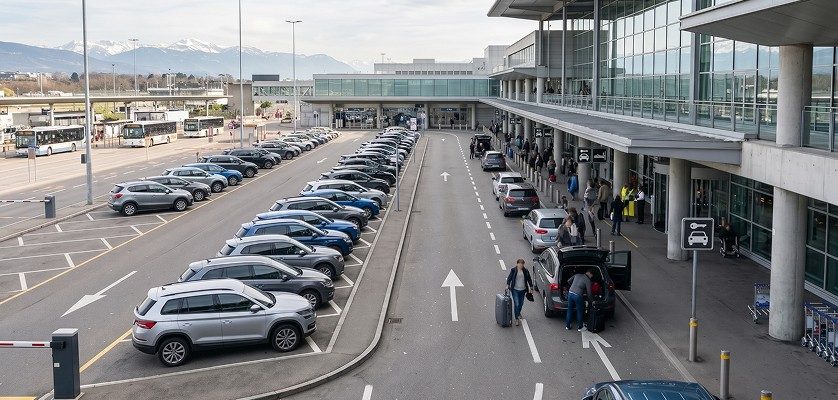
A ski trip from Geneva Airport often begins with a simple decision: should you pick up your rental car at the French Side Airport or the Swiss Side Airport? If you are heading to French ski resorts like Chamonix or Megeve, the French side may be a convenient choice, especially if your route stays within France. For Swiss resorts like Verbier or Zermatt, the Swiss side is ideal, as Swiss rental cars come with the motorway vignette included.
While both options work perfectly, the right choice depends on which ski resort YOU are visiting and the route you plan to take.
Before booking, it is worth checking a few things -
- Swiss motorway vignette requirements
- Winter tires
- Snow chains
- Cross-border rental rules
French side vs Swiss side: Understanding your rental options
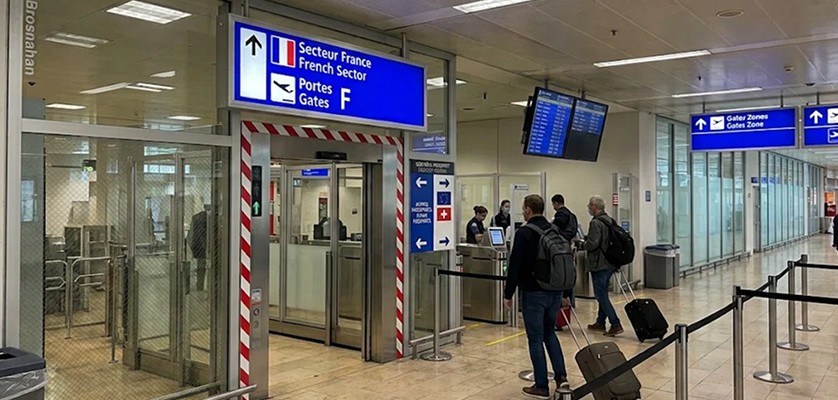
Geneva Airport has separate French and Swiss sectors, and rental cars can be picked up from either side. The better option depends on your ski destination, driving route, rental prices, and cross-border conditions, and not just which country you pick up the car from.
What is the difference between the French and Swiss sides of Geneva Airport?
Geneva Airport lies on the French-Swiss border and has two sectors: the main Swiss sector and a separate French sector. The side you choose determines your rental car's registration and where you exit the airport. Cars rented from the Swiss side are Swiss-registered and generally come with the Swiss motorway vignette, while cars from the French side are French-registered and usually do not include one. However, you can drive into either country, provided you have the required travel documents and visa (if applicable) and your rental supplier allows cross-border travel.
- Swiss side: Rental desks are in the Swiss sector of the airport.
- French side: Rental desks are in the French sector, with access arrangements that differ from the main Swiss terminal.
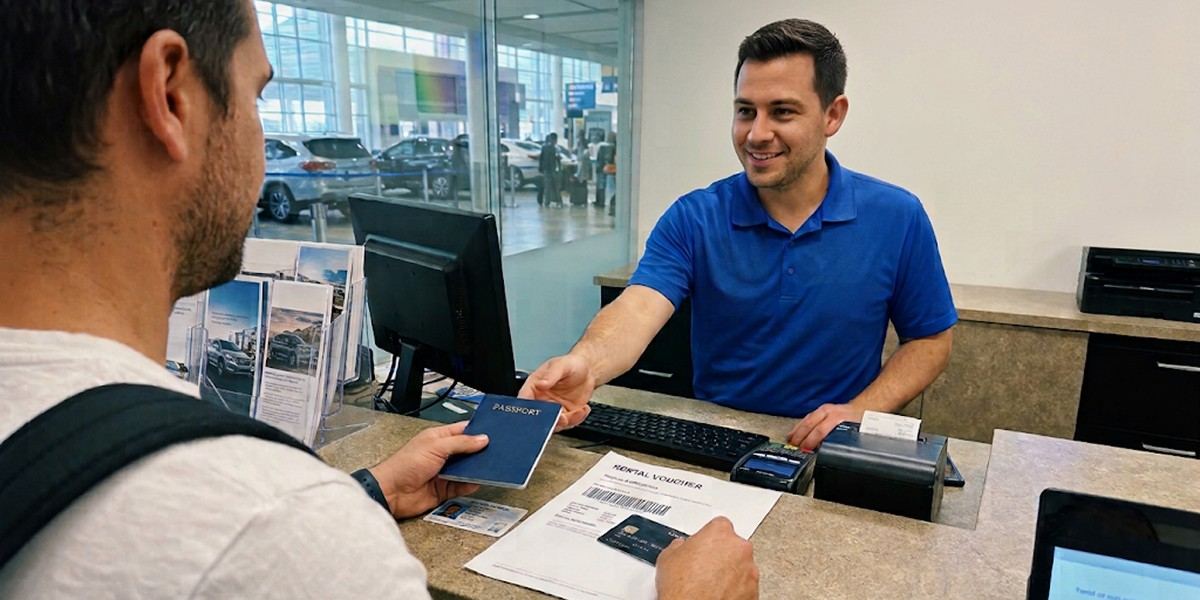
If you are arriving by air, follow the airport's directions for reaching your rental desk. Passengers with a valid flight ticket for the same day, one day before or one day after can walk between the Swiss and French sectors. Otherwise, you will need to travel by road via the Ferney-Voltaire customs crossing. Before traveling, check your booking voucher to confirm the correct pickup sector and follow your supplier's instructions.
When should you choose the French side?
The French side may suit travelers heading to French ski resorts, especially when the planned route stays within France. It can also be worth comparing French-sector rental deals if their prices, vehicle options and pickup hours fit your plans.
Consider the French side if:
- You will be using French roads throughout your trip.
- You want to compare the rental price along with motorway charges and any applicable fees.
- You need a specific vehicle, check availability of the car and winter equipment.
Important: A French-sector pickup does not guarantee a cheaper rental or remove the Swiss vignette requirement. If your route uses Swiss motorways, you will need to check the vignette rules and whether the rental car already has a valid one.
When should you choose the Swiss side?
The Swiss side may be more convenient for ski resorts in Switzerland or itineraries that use Swiss motorways. It is worth comparing the available rental cars, pickup arrangements and total costs before booking.
Consider the Swiss side if:
- You are heading to a Swiss resort. Check the route and expected driving time from GVA Airport.
- You will be using Swiss motorways. Confirm with your supplier if the car already includes a valid motorway vignette.
- You plan to drive into France and cross-border travel is allowed.
Important: The vignette requirement depends on the roads you use, not simply on where you pick up the car. Before booking, confirm whether the vehicle already has a valid vignette.
What should you keep in mind?
Neither side is automatically the best choice. You will have to compare the pick up location, destination, route, rental price, motorway requirements and cross-border conditions to find the option that fits best with your ski trip.
Can you return a French-side rental car to the Swiss side?
The return location for your rental car depends on the supplier's drop-off policy. Some suppliers require you to return the vehicle to the same airport sector where you picked it from.
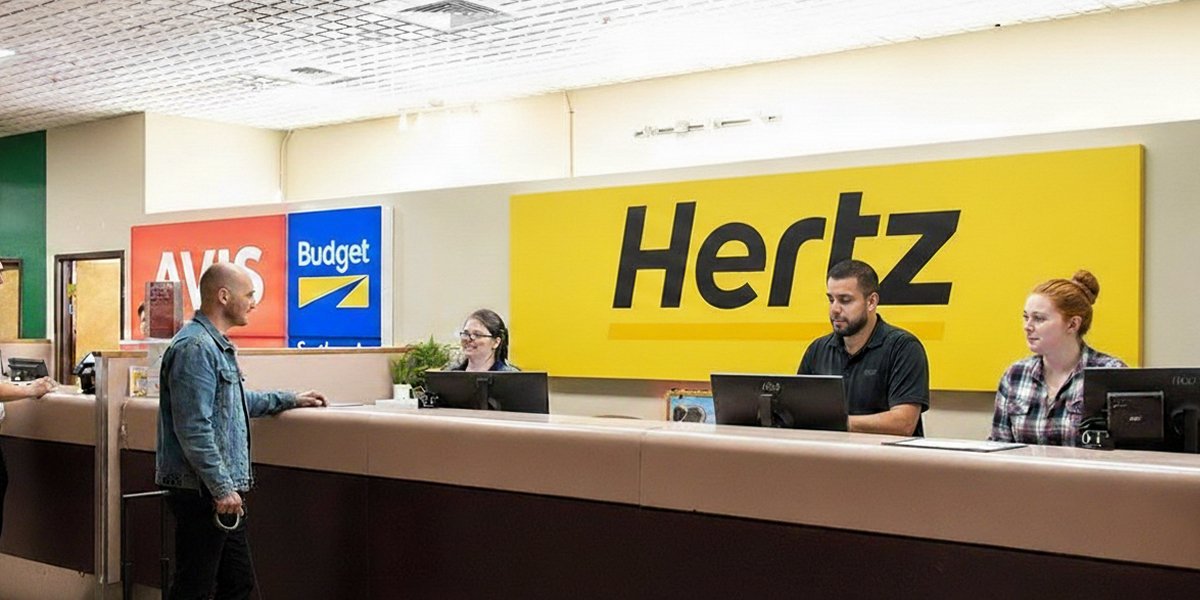
For example, Hertz specifies that cars picked up from its French-side Geneva Airport location must be returned to the French side. Returning the vehicle to its Swiss-side location may cost you an additional fee.
If your departure flight is from the Swiss sector but your rental car must be returned to the French sector, allow extra time to travel between the two. Access between the sectors by road is via the Ferney-Voltaire customs crossing.
Before booking your rental car, keep these points in mind:
- Return location: Check the designated return address and airport sector on your booking voucher. Do not assume that the car can be returned to a different sector from the one where you picked it up.
- Returns to a different sector: Some suppliers may allow cross-sector returns, but additional charges can apply. Check the supplier's drop-off conditions before choosing booking.
- Access to the French sector: If you need to return your car to the French sector, you can reach it by road via the Ferney-Voltaire customs crossing. Walking between sectors is allowed only for passengers with a valid flight ticket for the same day, the day before or the day after.
- After-hours returns: If your flight is outside the rental desk's operating hours, check whether the supplier offers an after-hours return or key-drop facility. The process and availability vary by supplier.
What is the Swiss motorway vignette and how much does it cost?
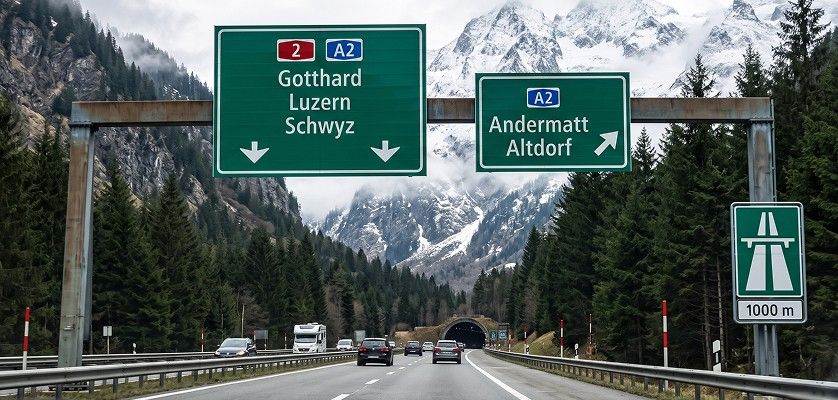
The Swiss motorway vignette is a permit required for vehicles with a maximum weight of 3.5 tonnes when traveling on Switzerland's motorways and expressways. It costs CHF 40 and is available as a windscreen sticker or an electronic vignette linked to the vehicle's registration number.
For the 2026-2027 ski season, vignette's validity dates will be:
| Vignette | Validity period |
|---|---|
| 2026 Vignette | 1 December 2025 to 31 January 2027 |
| 2027 Vignette | 1 December 2026 to 31 January 2028 |
Good to know: Switzerland does not offer daily, weekly or monthly vignettes. If your ski trip falls in December 2026 or later, check whether the car has a vignette valid for your travel dates.
Swiss motorway vignette: Will your rental car need one?
A Swiss motorway vignette is required if your route involves driving on Switzerland's motorways and expressways. The pickup side matters because rental cars collected from the Swiss sector generally come with a vignette, while those from the French sector usually do not. If you choose a French-side rental and plan to use Swiss motorways, check with your supplier whether a vignette is already fitted or needs to be purchased separately.
Does your rental car already have a Swiss vignette?
Rental cars collected from the Swiss sector generally include a Swiss motorway vignette, while those picked up from the French sector usually do not. However, check with your rental provider before pickup to confirm whether the vignette is included with your vehicle.
Before picking up your car:
- Ask your supplier whether a valid vignette is already included.
- Check its validity against your travel dates.
- If the car has an electronic vignette, check its registration number through the official Swiss e-vignette portal.
- If you need to purchase one, use the official Swiss portal.
Good to know: If you are driving on a motorway without a vignette that requires one can result in a CHF 200 fine, along with the vignette cost.
Can you drive in Switzerland without a Motorway vignette?
You can drive in Switzerland without a motorway vignette if your route avoids roads where one is required. Local and secondary roads generally do not require it, but you should check your route carefully before departure.
For example, a journey from Geneva Airport to a French ski resort may be possible using French roads without entering Switzerland's vignette-required motorway network. But still, the actual route matters more than the airport pickup sector.
Keep in mind:
- If you are on the French route, check whether you can reach your destination without using Swiss motorways.
- If you are on the Swiss route, check whether your planned journey uses a motorway or expressway requiring a vignette.
- Instead of choosing alternative routes, compare them first as avoiding motorways may increase driving time.
Before booking: Compare the rental options on both sides of Geneva Airport however, make up your mind based on your destination, planned route and the vehicle's vignette status. As the pickup side alone does not determine whether you need to pay for one.
Winter tires and snow chains: What do you need for a ski trip?
Winter tires and snow chains help you drive safely on snowy or icy roads, but the legal requirements differ between France and Switzerland. If you are renting a car for a ski trip from Geneva Airport, check the rules for your route and make sure the vehicle has the right equipment beforehand.
What are winter-driving requirements in France?
France requires vehicles traveling through mountain areas to have suitable winter equipment between 1 November and 31 March. Depending on the applicable rules, drivers must have approved winter tires or carry snow chains suitable for at least two drive wheels.
Before driving to French ski resort, check:
- All four tires must carry the 3PMSF symbol to qualify as winter tires. Since 1 November 2024, M+S tires without this marking no longer meet France's winter equipment requirements, and you may face a fine if your tires do not meet these requirements.
- The availability of snow chains (or socks) so you can use them as an alternative where allowed and ensure they fit the car's wheels.
- The Loi Montagne applies to 34 of France's 96 mainland departments, mainly in mountainous regions. However, it does not cover every road in these areas. Local authorities decide which roads are affected, and signs mark where the winter equipment requirements apply.
What are winter-driving requirements in Switzerland?
When renting a car in Switzerland for a winter trip, check whether it is equipped with suitable winter tires, as these are recommended for snowy and icy roads. Although winter tires are not legally compulsory, drivers must maintain control of their vehicles. Snow chains must also be fitted on roads displaying the mandatory snow-chain sign, unless otherwise.
Before pickup, confirm with your supplier whether winter tires and snow chains are included or available for your vehicle.
For a ski trip, keep these points in mind:
- Winter tires are strongly recommended for snowy, icy and cold mountain roads.
- Carry snow chains when your route or expected conditions may require them, and fit them where signs make them compulsory.
- Check forecasts and local restrictions, especially when traveling to higher-altitude resorts.
What should you check before booking your rental car?
To make sure your ride is ideal for ski trip, check the following before booking:
| What to check | What to confirm with your supplier |
|---|---|
| Tire type | Confirm which tires are fitted and whether they suit your planned route and travel dates. |
| Snow chains | Check availability and vehicle compatibility |
| Vehicle space | Make sure there is enough room for passengers, luggage and ski equipment. |
| Cross border permission | Confirm whether you are allowed to travel between France and Switzerland. |
| Additional charges | Check for extra fees such as winter tires, snow chains, etc. |
Can you cross the French-Swiss border with your rental car?
You can drive your rental car between France and Switzerland if your rental supplier allows cross-border travel. Check the supplier's terms and conditions for any restrictions, additional charges or documentation requirements before booking. Your permission to cross the border, insurance conditions, roadside assistance and any additional fees depend on the rental agreement and vehicle.
If your ski trip includes resorts or routes in both countries, confirm these details before booking.
Is cross-border travel allowed, and what should you check before driving into another country?
Not all rental suppliers allow cross-border travel. If you plan to drive between France and Switzerland, check your supplier's terms for permitted destinations and any applicable restrictions or fees.
Before booking, check:
- Your supplier's terms and conditions or booking voucher for cross-border travel permissions between France and Switzerland.
- Whether your chosen vehicle category is allowed for cross-border travel, as some suppliers restrict luxury and premium cars from leaving the country.
- Your rental agreement for any additional fees for taking the rental car across the France-Switzerland border.
Do not assume that picking up a car on the French side means you can drive it into Switzerland without permission or restrictions, or that a Swiss-side rental automatically allows traveling into France.
Does cross-border travel affect insurance and roadside assistance?
Yes, cross-border travel can affect your rental car insurance and roadside assistance. If you drive into another country without your supplier's permission, your insurance cover may become invalid. Before booking confirm that your insurance and roadside assistance remain valid in both France and Switzerland before crossing the border.
Here are the key insurance-related points to check before driving your rental car across the border:
- Check whether a cross-border fee applies to your planned route or destination.
- Review the supplier's rental conditions to understand the coverage and exclusions that apply when driving across the border.
- Confirm whether breakdown assistance and towing are available in both countries and whether additional charges may apply.
What documents should you carry when driving across the border?
Keep the following documents accessible during your ski trip:
- Valid driving licence and an International Driving Permit (if applicable).
- Passport or national identity card.
- Rental agreement with written confirmation of cross-border permission.
- Vehicle and insurance documents provided by the rental company.
Are there border checks between France and Switzerland?
France and Switzerland are both part of the Schengen Area, so routine immigration checks are generally not carried out at their shared border. However, temporary border checks may be introduced, and Swiss customs authorities can still conduct inspections because Switzerland is not part of the EU Customs Union. Carry your passport, required travel documents and rental agreement when crossing the border.
How can cross-border rules affect your ski-trip cost?
Cross-border conditions and additional charges vary by rental supplier, so check your selected car's rental terms before booking. If your ski trip includes resorts in both France and Switzerland, confirm that cross-border travel is allowed and review any applicable fees or restrictions.
When comparing rental deals, consider:
- Cross-border fees: Check your rental agreement for any additional charges for taking the vehicle into another country.
- Swiss motorway vignette: Check whether your route uses Swiss motorways and confirm with your supplier whether the car already includes a valid vignette.
- Winter equipment: Check whether snow chains are included or available at an additional cost, especially if your route requires them.
- Other travel expenses: Calculate motorway tolls, parking charges and potential differences in journey time when comparing routes.
Final thoughts on renting a car at Geneva Airport for a ski trip
Choosing a rental car for your Geneva ski trip depends on your destination, planned route and the supplier's rental conditions. You can visit VIP Cars to find a vehicle that suits your itinerary, budget and luggage needs.
Simply enter your travel details, compare deals from top suppliers, choose the ride you prefer and make the booking. However, before you go ahead, check the Swiss motorway vignette requirements, winter equipment rules and any restrictions on cross-border travel.
Happy traveling!
You may want to know
Can I add an additional driver to my Geneva Airport car rental?
Yes, many rental suppliers allow additional drivers, but availability and fees vary. Check the supplier's rental terms when booking. Any additional driver must meet the supplier's age and driving licence requirements and may need to present their documents when collecting the vehicle.
Is unlimited mileage included with Geneva Airport car rentals?
Mileage policies vary by rental deal. Some bookings include unlimited mileage, while others have a distance limit and may charge extra for additional kilometres. Check the mileage allowance in the supplier's rental terms before booking, especially if you plan to visit multiple ski resorts.
Can I return my rental car outside the supplier's opening hours?
Some suppliers offer after-hours returns, but availability and process vary. Check the return arrangements and any applicable fees before booking. If you plan to return the car early in the morning or late at night, confirm the process with the supplier in advance.
Can I extend my Geneva Airport car rental if my ski trip lasts longer than planned?
You may be able to extend your rental, subject to the supplier's approval and vehicle availability. Additional charges may apply.

























'%3E%3Ccircle cx='0' cy='0' r='7' fill='%23fff'%3E%3CanimateTransform attributeName='transform' type='scale' begin='-0.24691358024691354s' calcMode='spline' keySplines='0.3 0 0.7 1;0.3 0 0.7 1' values='0;1;0' keyTimes='0;0.5;1' dur='0.6407407407407407s' repeatCount='indefinite'/%3E%3C/circle%3E%3C/g%3E%3Cg transform='translate(50 50)'%3E%3Ccircle cx='0' cy='0' r='7' fill='%23fff'%3E%3CanimateTransform attributeName='transform' type='scale' begin='-0.12345679012345677s' calcMode='spline' keySplines='0.3 0 0.7 1;0.3 0 0.7 1' values='0;1;0' keyTimes='0;0.5;1' dur='0.6407407407407407s' repeatCount='indefinite'/%3E%3C/circle%3E%3C/g%3E%3Cg transform='translate(75 50)'%3E%3Ccircle cx='0' cy='0' r='7' fill='%23fff'%3E%3CanimateTransform attributeName='transform' type='scale' begin='0s' calcMode='spline' keySplines='0.3 0 0.7 1;0.3 0 0.7 1' values='0;1;0' keyTimes='0;0.5;1' dur='0.6407407407407407s' repeatCount='indefinite'/%3E%3C/circle%3E%3C/g%3E%3C/svg%3E)


