
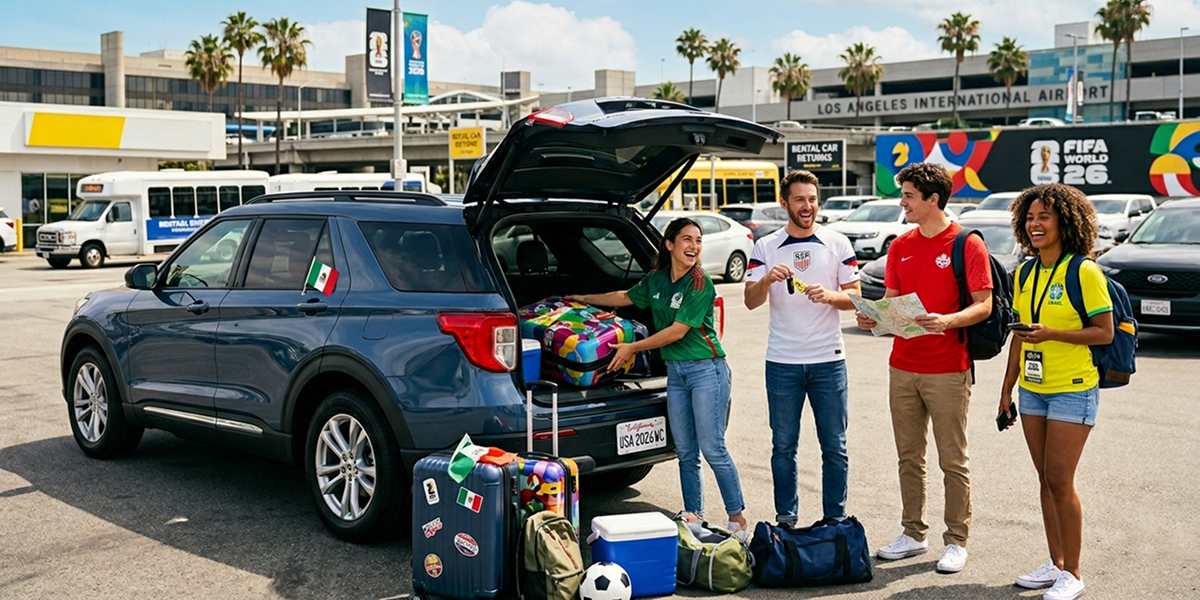
Before collecting your rental car, have your licence, passport, voucher and a credit card in the main driver's name ready. Make sure to confirm the deposit, insurance excess and fuel policy and photograph the car's condition before driving away.
We have created this detailed guide that covers all the things you must check before collecting your rental car. This will surely help you with a smooth pick-up process and give you a hassle-free rental experience.
The thrill of getting on the road and reaching your destination might make you want to grab the car rental keys and drive off quickly.
But sometimes, in that excitement, we skip the points given in our Rental Confirmation Voucher, including some important checks that should be done at the counter and before driving away.
What you should prepare before you reach the car rental counter?
Driving licence and ID/passport
The foremost thing is carrying a full and valid driver's license. You have to present it in physical form at the desk. Digital licenses or licenses with any major endorsements are not accepted.
Some suppliers require that the license has been held for at least 6 months, 1 year or even longer. This must be verified in the rental terms of your preferred supplier.
Additionally, a valid ID card issued by your country or a passport would be required at the time of pick-up.
The supplier might consider the rental a no-show if you do not have a proper driver's license or ID.
Booking confirmation
A printed or digital copy of your booking confirmation voucher is required at the rental desk. This document contains all details of the main driver, rental vehicle and supplier you booked with. It is proof of your online reservation.
In case you fail to present the voucher, some rental suppliers might charge you extra.
Payment/credit card
Most suppliers require a credit card in the main driver's name during the pick-up (to hold a refundable security deposit). The card needs to be in a physical form; virtual cards are not valid.
For some categories like luxury or bigger cars, suppliers sometimes even require 2 credit cards. You can find this information in your voucher with all the detailed information.
Another important factor that some renters overlook is the validity of their credit card. Some companies require the card to remain valid for 6 months after the rental return date. For example, if your drop-off date is 30 September 2026, your card must remain valid until at least 31 March 2027.
Keep in mind that if your card has insufficient funds, the supplier may deny the vehicle collection & make your reservation chargeable under the agreed 'no-show' policy. In some cases, if the credit/debit card requirements are not met, providers make it compulsory to purchase extra insurance to reduce the damage liability.
International Driving Permit (IDP), if required
Suppliers for some countries may ask for an International Driving Permit even though your driving licence is in the Roman alphabet (it is a legal requirement for some countries).
In case your country cannot issue an IDP, you may present an official translation of your National Driving Licence. Having said that, the policies vary by supplier & country you are visiting, so always verify the details before collecting your rental car.
Additional driver documents
Any additional driver listed on the rental agreement must provide the same documents as required for the main driver (except for the credit card). Age, licence and other eligibility requirements are applicable to additional drivers.
What you should check in your rental agreement & insurance coverage?
Before signing your car rental agreement, make sure all the points given below are clearly mentioned and understood to avoid any confusion later:
| What to check | What you should understand |
|---|---|
| Rental period | Confirm the exact pick-up & return date and time |
| Vehicle category | Make sure the vehicle category, transmission or any key requirements match what you booked |
| Rental price | Check what is included in the quoted price & whether any additional charges apply |
| Security deposit | Confirm the deposit amount, how it will be held & when it will be released |
| Insurance coverage | Understand what coverage is included, such as Collision Damage Waiver (CDW), Theft Protection (TP) & Third-Party Liability (TPL), where applicable |
| Excess/deductible | Check how much you could be responsible for if the vehicle is damaged or stolen |
| Excluded damage | Ask whether tyres, wheels, glass, underbody, roof or other specific areas are excluded from the standard coverage |
| Mileage | Confirm whether mileage is unlimited or subject to a daily/total limit and what excess-mileage charges apply |
| Fuel/EV charging | Understand how much fuel or battery charge the car must have when returned and whether charging fees apply |
| Additional drivers | Check whether additional drivers are permitted, what documents they need and whether a fee applies |
| Roadside assistance | Find out whether breakdown assistance is included and what number to call |
| Driving restrictions | Check restrictions on cross-border travel, certain roads, ferries or other locations |
| Early/late return | Understand any charges for extending or returning the vehicle early/late |
What is Collision Damage Waiver (CDW)?
Collision Damage Waiver (CDW) is a type of rental car protection that reduces the renter's financial responsibility for damage to the rental vehicle, subject to the rental agreement's terms, exclusions and excess
However, it usually comes with an excess amount, which means you are still liable to pay part of the repair costs (depends on the supplier's policy).
You must also note that it may exclude certain parts, such as tyres, windows and underbody damage.
What is Theft Protection (TP)?
Theft Protection is an insurance cover that limits your financial liability if your rental car is stolen. You may still be responsible for paying an excess amount (this amount is charged as per your rental agreement).
What is Third-Party Liability (TPL)?
TPL covers costs for injuries to other people or damage to their property. For example, if you cause an accident while driving the rental car.
Remember that it does not cover damage to the rental vehicle or your own injuries.
Note: Any kind of coverage limits and exclusions depend on your rental agreement and local insurance regulations. It varies according to the country, supplier & the local laws of that area.
Check whether you already have rental car coverage
If you already have personal auto insurance, travel insurance or coverage through a credit card, make sure to verify whether it extends to rental vehicles before purchasing additional protection at the rental counter.
For example, in the USA, many credit card companies offer car rental insurance to protect against damages.
Confirm what is covered, where the coverage applies, the maximum rental period & any exclusions or excess you may have to pay.
You should ask these questions to the respective company:
- Does my existing policy cover rental cars?
- Does the coverage apply in the country where I am renting?
- Does it cover damage, theft & third-party liability?
- Are there exclusions for certain vehicle types or rental periods?
- What excess/deductible would I have to pay?
- Do I need to provide proof of coverage to the rental company?
Questions to ask at the rental desk
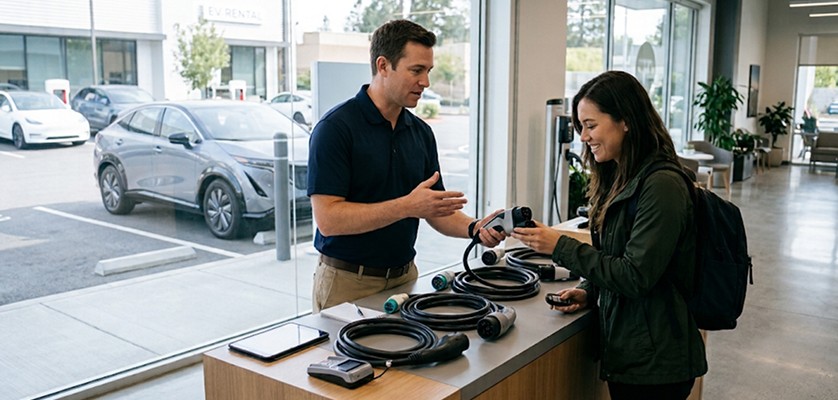
Sometimes in the rush to collect the keys, we overlook important questions that must be confirmed at the counter. Before signing the rental agreement, feel free to clear your doubts about anything.
Go through the points quickly and verify that the terms match what you booked. Clarifying the details at the rental desk can help you avoid unexpected charges or problems later when you return the vehicle.
Next time, do ask these questions to the representative at the counter:
- What is the charging/fuel policy & is there any specific fuel station that needs to be used?
- Is there a security deposit & when will the amount be released after the drop-off date?
- Are there any pre-existing scratches in the car & is the damage already recorded?
- What should I do in case of a car breakdown or accident?
- Are charging cables or adapters included with the electric car rental?
- How & where should I return the car? Is there any dedicated parking area/marked bay?
- Are there local vignettes, road passes or environmental zone badges required?
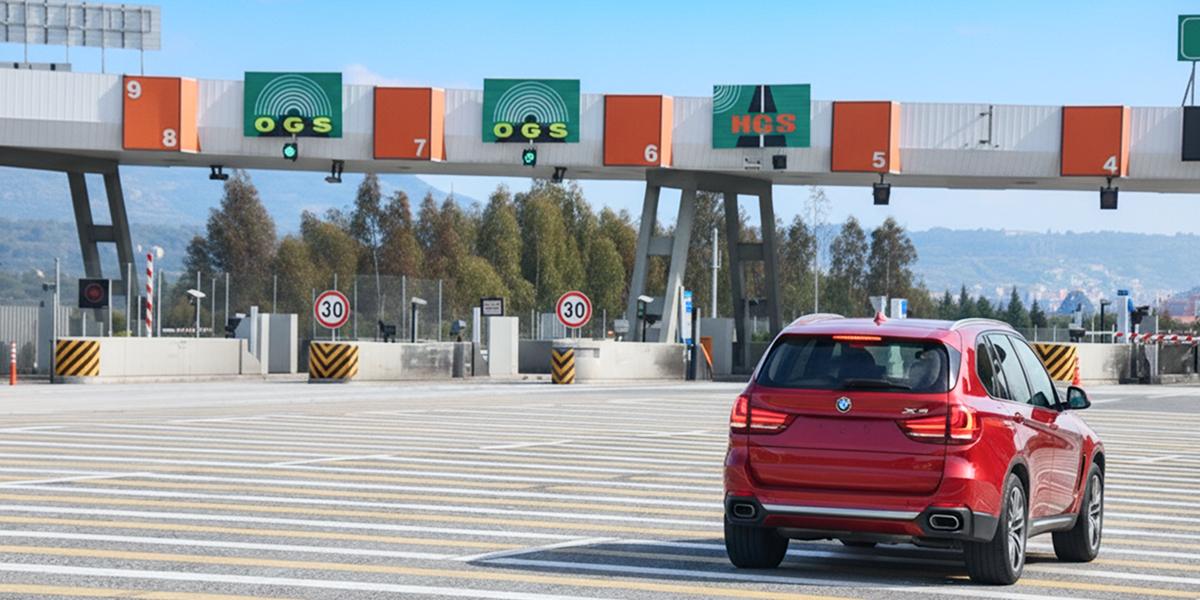
- Does the vehicle have an automated toll pass/transponder included?
- What is the mileage or kilometre allowance?
- Is roadside assistance included in the rental price & at what number should I call?
- Are there any additional-driver fees or restrictions?
- Are there any restrictions on driving the car across borders or into certain areas/roads?
- Are cross-border drives permitted without taking extra insurance/fees?
- Are there any additional fees that I should know about?
- What happens if I return the car late?
- What should I do if I need to extend my rental & how will I get charged?
- Do confirm the return location and opening hours of your selected supplier.
Flight delayed before your rental car pickup?
Don't worry! Here's what you have to do - What happens if your flight is delayed before collecting the rental car?
How to inspect your rental car before you drive away

We advise you to always take a few minutes to inspect the car carefully. Walk around the vehicle and compare its condition with any scratches/dents noted on the rental agreement or vehicle inspection form.
In case you notice any scratches that have not been recorded, ask the rental agent to document them before you leave. Use this rental car inspection checklist:
- Check the exterior: Look for scratches, dents, paint damage on bumpers, doors & mirrors.
- Inspect the wheels and tyres: Check the tyres carefully & make sure the wheels or rims are in proper condition.
- Check the windscreen and windows: Look for cracks, chips or other damage, particularly on the windscreen.
- Test the lights: Check the headlights, brake lights, indicators and hazard lights.
- Inspect the interior: Look for stains, tears or other damage to the seats, dashboard, carpets and boot.
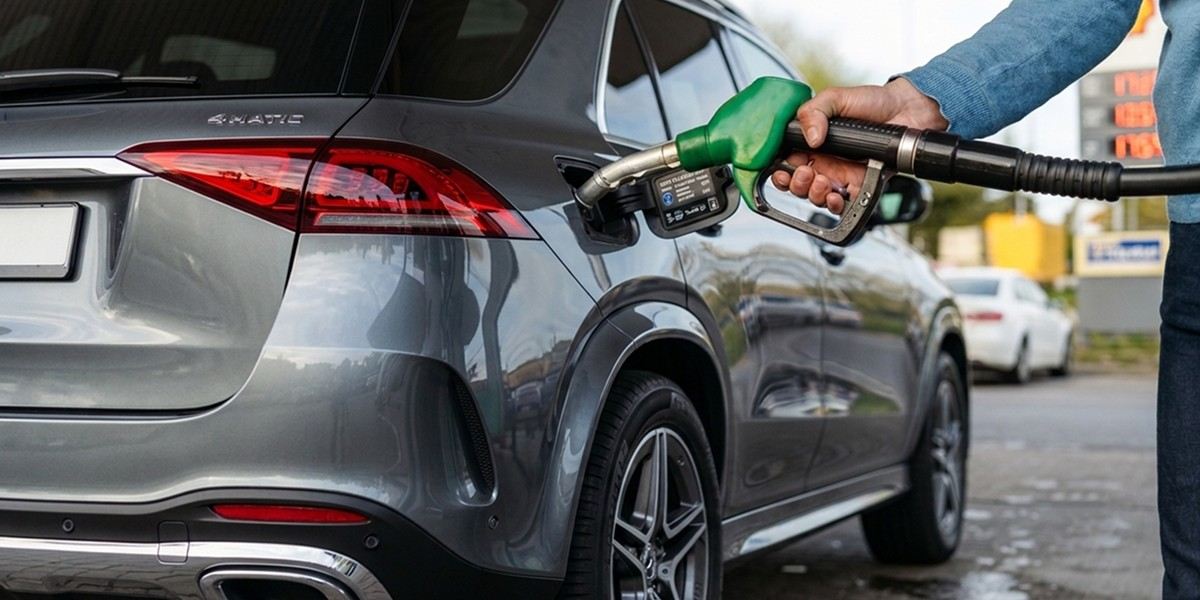
- Check the fuel or battery level: Make sure it matches the level stated in your rental agreement.
- Look for warning lights: Start the engine and check the dashboard for any warning or error lights.
- Check the extra add-ons: Confirm that required or agreed equipment, such as a spare tyre or charging cable for an EV is present.
- Take photos or videos: It is always best to photograph or record the car from different angles and keep the files until after the rental is completed.
- Report unrecorded damage: If you find anything that is missing or not listed in the inspection report, ask the rental representative to update the record before you drive away.
Now that everything has been carefully checked and noted, adjust the mirrors & seat for a comfortable drive. Set up navigation & make sure everyone is wearing a seatbelt.
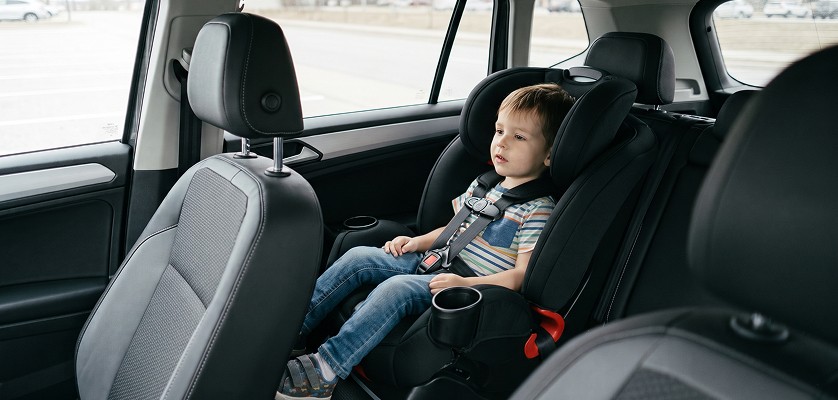
If you are renting a car with kids, make sure they are seated in appropriate child seats.
What should you do if you find damage on your rental car?
If you notice scratches, dents or other damage that isn't listed in the vehicle inspection report, inform the rental representative before leaving. Ask them to record the damage on the inspection form and take photographs or videos as evidence. Keep these records until your rental duration is completed.
Quick rental car collection checklist
Before signing the car rental agreement
- Driving licence, ID/passport & other required documents ready
- Payment card is valid & has sufficient funds
- Rental agreement & insurance coverage understood
- Deposit, excess & additional fees confirmed
- Fuel/EV charging & mileage policy confirmed
- Additional-driver requirements & fees confirmed
- Cross-border, toll or other driving restrictions checked
Before driving away
- Existing scratches/dents recorded
- Tyres, wheels, windows & windscreen checked
- Lights, mirrors & indicators checked
- Fuel or battery level confirmed
- Required add-ons present
- Breakdown/roadside assistance number saved
- Warning lights checked after starting the car
- Return location, procedure & opening hours confirmed
Conclusion
To have a smooth car rental pick-up, take a few minutes to prepare your documents, read the rental agreement carefully (each & every point) and clarify anything you are unsure about at the counter. Pay close attention to the insurance, deposit, fuel or charging policy, mileage and return requirements before you drive away.
An attentive inspection at the start of your rental can help prevent misunderstandings & unexpected charges later. Once you have completed your checks, saved the necessary contact numbers and confirmed the return procedure, start your journey with greater peace of mind.
Picking up your rental car late at night?
Read this to find out how after-hours pickup and return work.
Travelers also ask
Can someone else collect my rental car on my behalf?
The main driver named on the rental booking must be present at the rental desk to collect the vehicle. If you cannot collect the car yourself, contact the rental company before your pick-up date to ask whether the main driver can be changed. Requirements can vary by supplier and location, so always check your rental terms in advance.
Can I change the main driver after booking a rental car?
Changing the main driver after making a rental booking may be possible, but it depends on the supplier and the terms of your reservation.
The new main driver will generally need to meet the supplier's age, driving licence and other eligibility requirements & provide the required documents and payment card.
For more details, you can contact your booking provider if you need to change the main driver.
Can I collect a rental car outside the supplier's opening hours?
Some rental suppliers offer after-hours pickup, but availability and procedures vary by supplier and location. You may need to request an after-hours pickup in advance and an additional fee may apply. In many cases, you may need to follow a specific check-in procedure.
Can I add another driver after collecting the rental car?
You can add an additional driver after collecting the rental car, but you must first inform the rental supplier and have the driver officially added to the rental agreement.
The additional driver will generally need to meet the supplier's age and driving licence requirements and provide the required identification and other documents. You can contact the rental company to confirm the procedure and any applicable charges.
What should I do if I realise I left something in the rental car?
Contact the supplier or rental location as soon as you realise you have left something in the vehicle. Provide your rental agreement or booking details, vehicle information and a clear description of the item to help the supplier locate it.
The supplier may have its own lost-and-found procedure and may ask you to arrange collection or pay any applicable delivery or shipping costs.
Should I take pictures of my rental car before driving away?
Yes, you should take pictures and videos of your rental car before driving away. Capture the vehicle from various angles including any existing scratches, dents, damage on wheels or windscreen. If any damage is recorded in the vehicle inspection, keep the photos until your rental is completed. This can help you resolve potential disputes over pre-existing damage.
What happens if the rental car I receive is different from the one I booked?
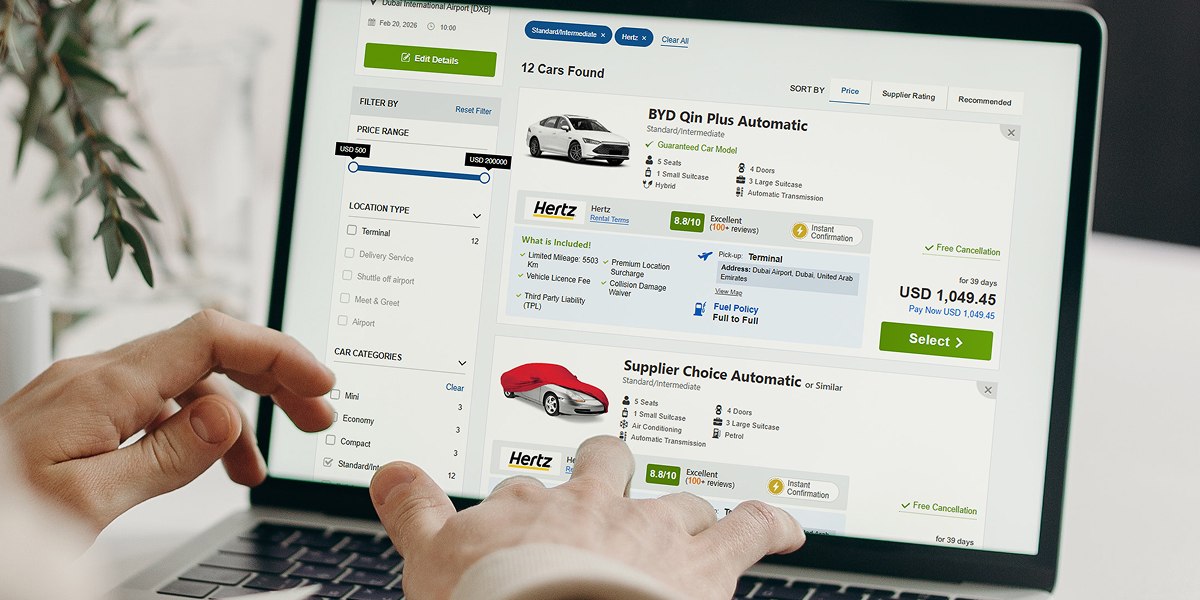
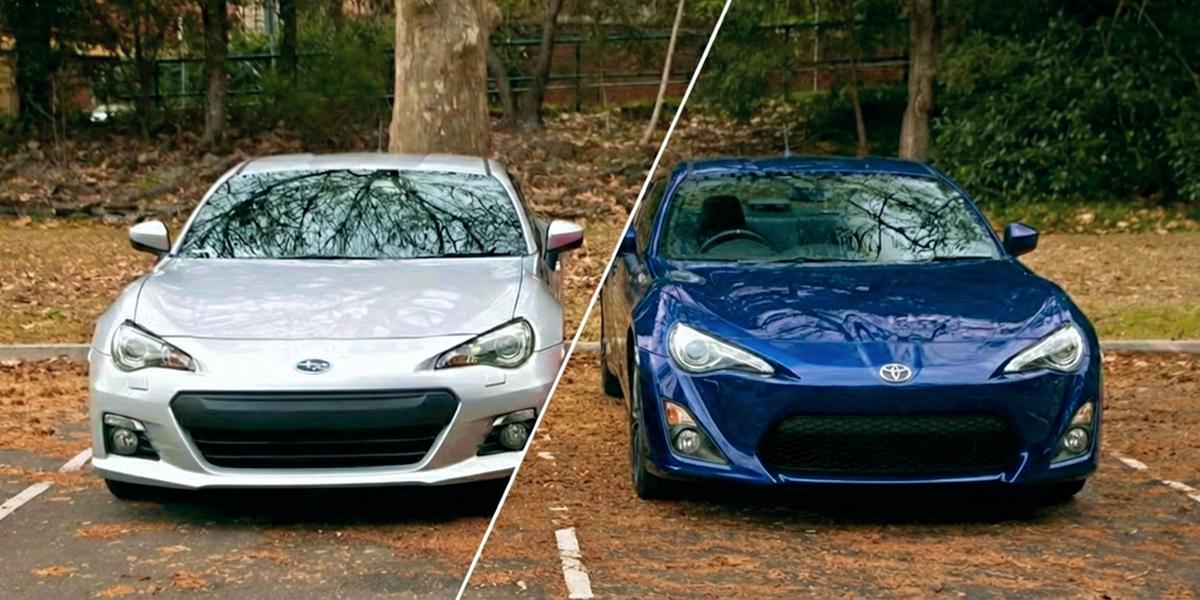
If the rental car you receive is different from the one you booked, first check whether the replacement vehicle belongs to the same category and meets your booking requirements. Rental bookings generally guarantee a vehicle category rather than a specific make or model.
If the replacement doesn't meet the agreed category or important requirements, raise the issue with the rental representative before accepting the vehicle. Check any changes to the rental terms, insurance coverage and additional charges, and contact your booking provider if necessary.
How long does it take to collect a rental car?
Collecting a rental car usually takes 20-30 minutes, depending on the rental location, queue, document verification and vehicle inspection. At busy airport locations or during peak travel seasons, you can expect 45 minutes or even longer. It is best to keep your driving licence, passport or ID and payment card ready to speed up the process.































































































'%3E%3Ccircle cx='0' cy='0' r='7' fill='%23fff'%3E%3CanimateTransform attributeName='transform' type='scale' begin='-0.24691358024691354s' calcMode='spline' keySplines='0.3 0 0.7 1;0.3 0 0.7 1' values='0;1;0' keyTimes='0;0.5;1' dur='0.6407407407407407s' repeatCount='indefinite'/%3E%3C/circle%3E%3C/g%3E%3Cg transform='translate(50 50)'%3E%3Ccircle cx='0' cy='0' r='7' fill='%23fff'%3E%3CanimateTransform attributeName='transform' type='scale' begin='-0.12345679012345677s' calcMode='spline' keySplines='0.3 0 0.7 1;0.3 0 0.7 1' values='0;1;0' keyTimes='0;0.5;1' dur='0.6407407407407407s' repeatCount='indefinite'/%3E%3C/circle%3E%3C/g%3E%3Cg transform='translate(75 50)'%3E%3Ccircle cx='0' cy='0' r='7' fill='%23fff'%3E%3CanimateTransform attributeName='transform' type='scale' begin='0s' calcMode='spline' keySplines='0.3 0 0.7 1;0.3 0 0.7 1' values='0;1;0' keyTimes='0;0.5;1' dur='0.6407407407407407s' repeatCount='indefinite'/%3E%3C/circle%3E%3C/g%3E%3C/svg%3E)


