Navigating long term car rental in Portugal with confidence

Want to spend a few months in Portugal? Maybe you’re working remotely by the beach or just planning an extended adventure in the country. Whatever the reason, with a convenient commute, you can make your stay way more enjoyable and that’s where long-term car rental in Portugal really comes in handy.
Instead of relying on public transport or expensive short-term rentals, a long-term car gives you the freedom to explore on your own schedule.
In this guide, we’ll walk you through everything you need to know: costs, best rental companies, what to watch out for & tips to save money, so you can choose the right car and enjoy the open road!
What is considered a long term car rental in Portugal?
A long-term car rental refers to any car hire lasting 30 days or more. While the usual rentals are suitable for short holidays or quick trips, long-term rentals allow you to use a car for an extended period without the need to buy or lease.
Various rental companies in Portugal offer special monthly prices that are comparatively cheaper than the daily rates. The plans often include perks like maintenance, insurance and roadside assistance, making them the most feasible solution for travelers, migrants, students or anyone staying in Portugal for a few months.
Here’s how long-term rental compares to other options:
- Short-term rental: Usually 1 to 29 days, with higher daily prices
- Long-term rental: 30 days to 12 months, discounted monthly rates, flexible contracts
- Leasing: Fixed multi-year contract, credit checks, commitment and often higher upfront costs
Key benefits of choosing long term car rental in Portugal
Opting for a long-term car rental in Portugal comes with a lot of advantages, especially if you’re staying for several months and want both flexibility & convenience. Here are the biggest benefits:
-
Lower monthly costs - hiring a vehicle for a longer duration is much cheaper than booking short-term rentals over and over. Most companies give special monthly rates, discounted long-term packages or all-inclusive deals that help you save abundantly.
-
No maintenance or repair hassle - your rental company takes care of the maintenance, service, repairs or any roadside assistance when you hire a vehicle for a long period.
-
Flexible contracts - with long-term rentals, you’re not tied to any yearly commitments. You can easily extend your contract month to month, switch to a different car model or return the vehicle early (if the supplier’s policy allows you to do so).
-
Insurance included - most of the long-term packages include Collision Damage Waiver (CDW), Theft Waiver (THW) & Third Party Liability (TPL). Additionally, you can upgrade to full coverage for peace of mind.
-
Wide variety of cars - long-term renters often get access to a larger & more varied fleet than short-term visitors. Whether you need a compact car, SUV, sedan, or something more spacious, you’ll have plenty of options to choose from.
-
Ideal for visitors waiting for residency or a permanent car - if you’re in the process of relocating, waiting for your Portuguese residency, or waiting for the purchase of a new car, a long-term rental gives the perfect temporary solution.
-
Travel freedom beyond major cities - public transport is limited in remote areas of Portugal. A long-term rental allows you to explore rural villages, remote beaches, and scenic regions at your own schedule.
How much does long term car hire in Portugal cost?
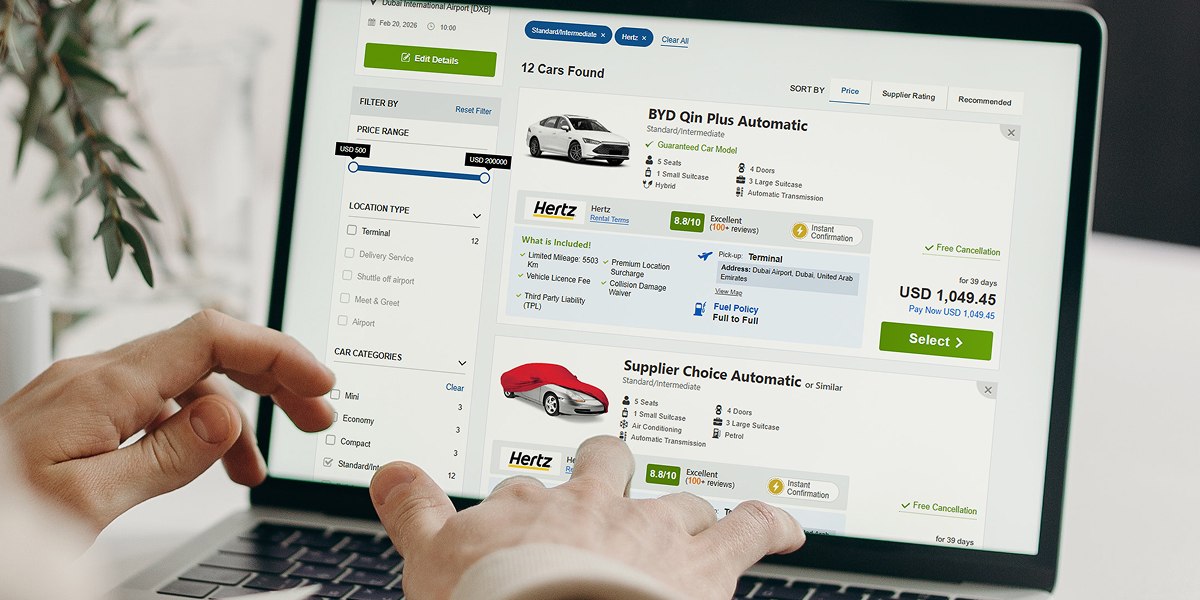
The cost of long-term car rental in Portugal mainly depends on these factors: type of vehicle, the rental company, the season & what’s included in your plan. Overall, you get a much better value than opting for daily or weekly rentals, especially if you are staying for several months.
Average monthly prices
Though prices keep on fluctuating, here’s a general idea of what you can expect to pay per month:
-
Economy / Compact cars: starting from €613.95
-
Sedans & larger cars: starting from €782.98
-
SUVs: starting from €650.07
-
Premium or luxury models: starting from €2,261.22
Note: These price ranges are only estimates to give you an idea of what to expect. Actual monthly prices can change based on the season, car availability, the rental company & ongoing promotions. Always compare current offers before booking.
What impacts the price?
Various factors have a direct impact on the rental price. They decide how much you pay:
-
Car category: a compact or mini costs less than an SUV. Similarly, an SUV is cheaper than any premium or luxury vehicle.
-
Season: prices are typically higher in summer as compared to winter.
-
Rental duration: longer rentals are equivalent to lower monthly rates.
-
Mileage limits: an unlimited mileage deal often costs more, but provides more flexibility.
-
Pick-up location: airport pickups can add extra fees.
-
Insurance level: basic coverage is included; however, full insurance adds to the price.
Typical inclusions in monthly rates
There are some inclusions offered in long-term rental packages in Portugal. These inclusions help keep total monthly costs predictable, making long-term rentals easier to budget for:
- Collision Damage Waiver
- Theft Waiver (THW)
- Third Party Liability (TPL)
- Free Breakdown Assistance
- VAT and standard taxes
- Routine maintenance
Note: Exact inclusions vary from one supplier to another. Always check the details of your booking to confirm what is and isn’t covered.
Possible extra costs to consider
Even with discounted monthly rates, some additional fees may apply depending on the rental provider. You must review all these terms to avoid unexpected expenses:
- Additional drivers
- Young driver fees
- Tolls
- Fuel charges
- Excess insurance upgrades
- Early return fees (depending on the company)
- GPS, baby seats, or other addons
Best long term car rental companies in Portugal
You will find a mix of international as well as local rental companies in Portugal. They offer various special monthly or long-term packages. Each company has its own strengths, like some offer the lowest prices, while others provide better insurance options, premium cars, or more flexible contracts. Here are some of the popular brands you can never go wrong with: Europcar, Keddy by Europcar, Sixt, AutoUnion, SurPrice, and Record Go.
What do you need for long term car hire in Portugal? A complete checklist
Renting a car long-term in Portugal is a cake walk; however, there are certain key requirements you’ll need to meet. These can vary slightly depending on the rental company, but most follow similar guidelines.
Age Requirement
Most suppliers require drivers to be at least 19 years old, while some have set the minimum age to 21 years. Additionally, a young driver fee is charged to drivers aged below 25.
Valid Driver’s License
You must have a valid driver’s license that you’ve held for at least one year. An International Driving Permit (IDP) is required in case your license is not in English or does not use Roman characters.
Passport or National ID
A valid passport or national ID card is required to confirm your identity.
Credit Card
It is mandatory to have a credit card in the main driver’s name. It should have sufficient funds for holding the security deposit against your booking.
Long-term car rental vs. Leasing: What’s the difference?
If you’re staying in Portugal for several months, you’ll likely be confused between long-term rental and leasing. You would want to make a comparison & take the decision accordingly.
Both options have one thing in common - they give you access to a vehicle without, but they differ in flexibility, cost structure & commitment. So here’s a quick side-by-side comparison to help you out:
| Feature | Long-Term Car Rental | Leasing |
| Commitment length | Month-to-month or flexible | Usually 2–4 years |
| Upfront costs | Minimal or none | Often requires a down payment |
| Monthly price | Typically higher monthly cost for more flexibility | Lower monthly payments but long-term commitment |
| Maintenance | Included in most packages | Often included, but depends on the contract |
| Insurance | Usually included | Must be arranged separately or added as an extra |
| Mileage limits | Often more flexible; sometimes unlimited | Strict mileage limits with extra fees for crossing the limit |
| Car choice | Wide range; easy to switch models | Fixed model for full lease duration |
| Early return | Possible (depending on the supplier) | Expensive penalties for ending early |
| Best for | Travelers, migrants, digital nomads, temporary stays | Residents looking for a long-term, stable solution |
Top locations in Portugal for long term car hire

You will find plenty of convenient spots for long-term car rentals in Portugal, especially in major cities and travel hubs. Whether you're here for work, studying, or slow travel, these locations make it easy to pick up a vehicle and head to your destination.
| Location | Why it's great for long-term rentals | Ideal for |
| Lisbon | Biggest rental hub with wide vehicle options and competitive pricing; easy airport & city pick-up | Long stays in central Portugal, sightseeing, working remotely |
| Porto | Excellent availability with slightly lower prices than Lisbon; strong access to northern regions | Travelers exploring the Douro Valley, Minho, or trips into Spain. |
| Faro (Algarve) | Popular for beachgoers; essential for reaching coastal towns and resorts | Long stays in the Algarve, retirees and winter escapes. |
| Madeira (Funchal) | Ideal for exploring hilly terrain and remote attractions; good long-term options at the airport | Island explorers, nature lovers, remote workers |
| Albufeira | High demand for long-stay holidaymakers; plenty of rental offices & flexible monthly rates | Beach lovers, families, long-term Algarve vacationers |
How to save money on long term car rental in Portugal?
Long-term rentals can be affordable, but by implementing a few smart strategies, you can save even more. Before booking your car in Portugal, keep these cost-saving tips in mind:
-
Book early: make sure to book at least 3 to 4 weeks before your journey. During the peak season, prices increase significantly; therefore, by booking in advance, you can secure a cheap long-term car rental Portugal deal.
-
Compare local & international companies: Local suppliers often give cheaper monthly deals, while international brands may include better insurance. So it is better to always compare different deals before making a final decision.
-
Choose the right car category: select the vehicle according to your actual requirements. Compact cars are comparatively cheaper. Only upgrade if you truly need more space or features.
-
If possible, avoid airport pickup: airport rentals can include extra fees. Choosing a city-centre location may be cheaper.
-
Bring your own extras: instead of paying a daily fee for extras like GPS, child seats, phone holders, etc., use your own to save money over long periods.
-
Review mileage limits: if you plan to explore a lot, choose a vehicle with unlimited mileage. Limited-mile contracts often come with high per-kilometre penalties that add up quickly.
-
Look for long-term promotions: Some companies offer discounted rates for 3, 6, or 12-month rentals. Look out for seasonal deals or loyalty program savings on different websites.
Driving in Portugal: What long-term renters should know
If you’re planning a long-term car rental in Portugal, taking time to understand local driving rules, road conditions & regional regulations will help ensure a smoother, safer experience.
The country’s modern, well-maintained highways offer beautiful scenic drives, but there are a few important considerations long-term renters should keep in mind.
-
Road types & conditions
Portugal has a mix of motorways, national roads and rural routes. Motorways known as Autoestradas/ “A” roads are in excellent condition, often tolled, fast, and ideal for long-distance travel.
The next come national roads/ “N” roads that are free alternatives to motorways. They are usually slower, with roundabouts& village crossings.
The rural roads can be narrow, winding & less maintained, especially in mountain regions like Serra da Estrela or the Douro Valley. City roads in Lisbon and Porto can be congested, with limited parking and steep streets.
-
Understanding tolls & the Via Verde System

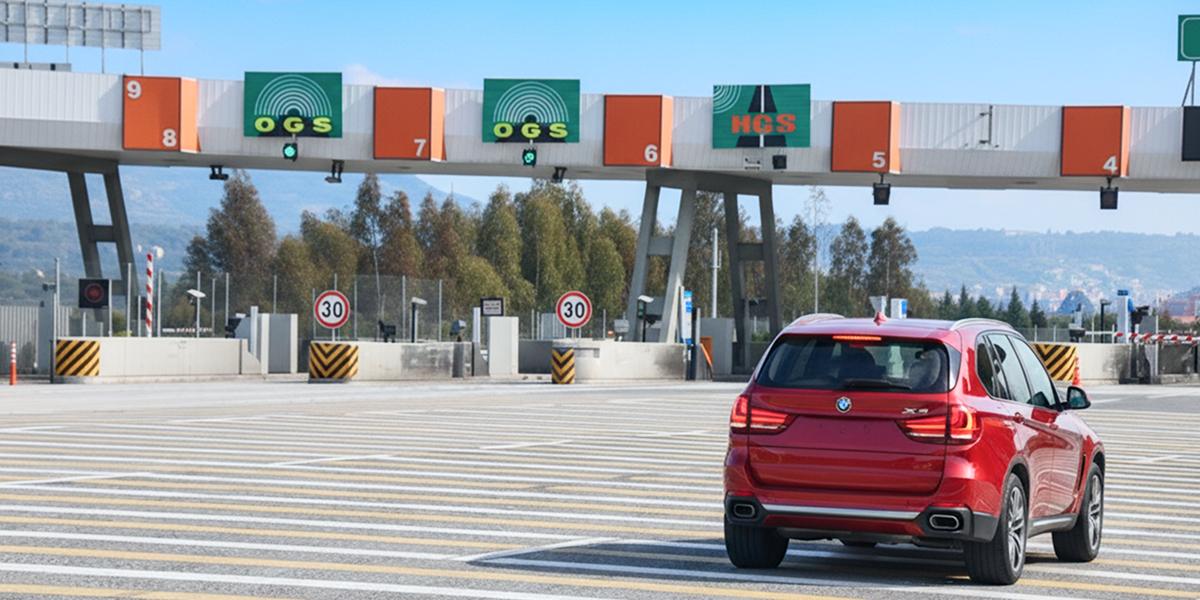
There are plenty of electronic tolling systems on highways in Portugal; this can be confusing if you are visiting for the first time. You will drive along the electronic-only toll roads that have no physical booths, as vehicles are scanned automatically. Some iconic mountains & bridge routes, like the Vasco da Gama Bridge, are also tolled.
Many travelers prefer to use the Via Verde device, which automatically charges toll payments to your rental account. You will find this device on most of the rentals.
In case your vehicle does not have Via Verde, there are offline alternatives. You can pay tolls manually at designated CTT/post offices, Payshop agents or certain service points by providing your license plate number. However, the payments must be made within a specific time window and failing to settle them promptly can result in heavy penalties.
Tip: Always confirm how your rental provider handles toll charges.
-
Parking rules & restrictions
The parking system varies widely across the country. Blue zones (Zona Azul) are made for paid parking during certain hours. It is recommended to always look for parking meters.
The white lines indicate free parking in most cities, whereas the yellow lines mean no parking. You will find private garages in every city and is considered to be the easiest choice if you're staying long-term.
Note: Lisbon & Porto can be challenging for street parking, especially in historic neighborhoods with narrow streets and high demand, so plan accordingly.
-
Speed limits
It is important to drive within speed limits set by the authorities & always follow posted signs. Standard limits are set at 50 km/h in cities, 90 km/h on rural roads, 100 km/h on expressways and 120 km/h on motorways. Speed cameras are common in the country, so it is better to drive carefully to avoid any problems.
-
Fuel types & prices
Based on your rental type, you can access gasoline (95/98), diesel, or EV charging stations, which are commonly available in major cities and on major highways. Fuel prices are high, especially gasoline. Diesel is more common in rental fleets due to its efficiency.
-
Roundabouts: very common in Portugal

You will find roundabouts (rotundas) everywhere in Portugal, especially outside major cities. You must know the basic rules: vehicles already in the roundabout have priority. You must always signal before exiting, not while entering.
It is advised to stay in the inner lane for further exits & outer lane for the first exit. Locals are very much used to roundabouts, so you have to be prepared for quick merges.
-
Driving culture & safety tips
While driving, keep these points in mind: drivers may change lanes quickly on motorways. In rural areas, you may share the road with tractors, cyclists, or animals.
In urban areas like Lisbon & Porto, drivers tend to be more assertive and quick-paced, especially during peak hours, so staying alert is essential. Always keep a safe distance, as motorcyclists often filter through traffic.
-
Winter & weather considerations
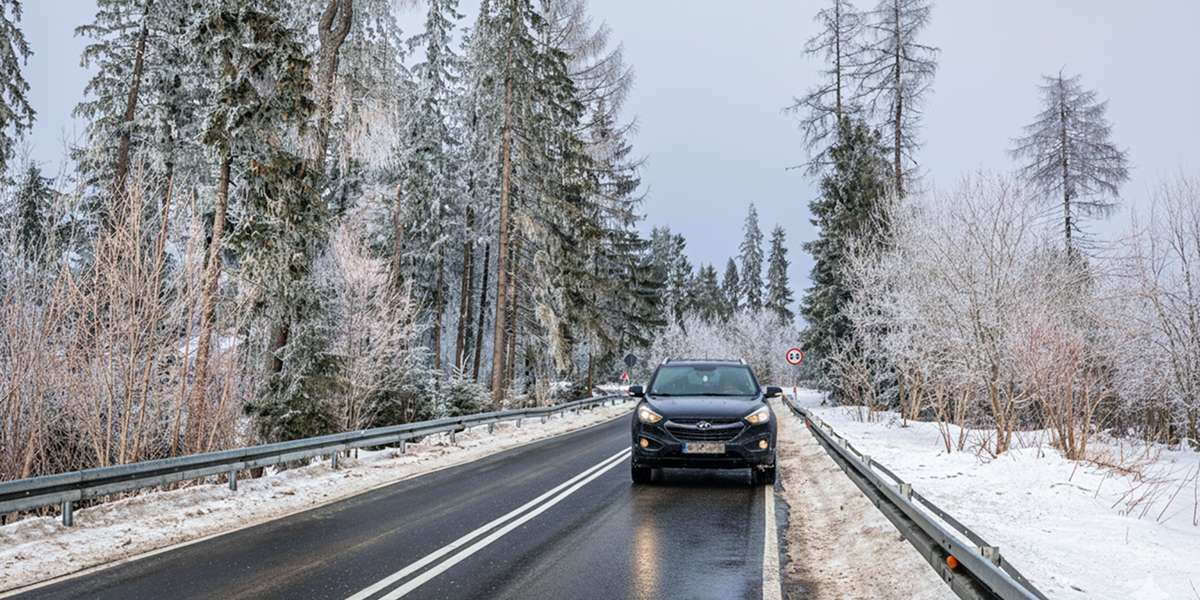
Winters are generally mild in Portugal as compared to northern Europe, but weather conditions can still impact driving, especially in the north & interior regions.
It rains frequently from November to March, making roads slippery and reducing visibility. Coastal areas can experience strong winds, while mountainous areas, such as Serra da Estrela, may see snow and require extra caution. It’s wise to check weather forecasts before long trips and make sure your rental vehicle has good tire tread and functioning wipers.
Fog can also be common in certain regions, so use low-beam headlights & reduce speed when necessary. Being prepared for changing conditions will help you drive with confidence throughout the year.
-
Important documents
You must always carry these documents while driving: Driver’s license, passport or ID, rental agreement, insurance papers and vehicle registration documents that are provided by your supplier.
-
Crossing borders to Spain
Most suppliers allow cross-border travel to Spain, but not free of cost. So it is better to check your rental agreement for: cross-border fees, insurance validity in Spain and Mileage limitations.
Common mistakes to avoid with long term car rentals in Portugal
Even if you’ve rented cars before, long-term rentals in Portugal come with a few considerations that we sometimes tend to ignore. To save money, avoid stress & keep everything running smoothly, watch out for these common mistakes:
-
Ignoring the mileage limits
Some long-term rentals come with capped mileage and going over can be extremely expensive. Do check the allowance and consider upgrading to unlimited mileage if you plan to travel frequently.
-
Overlooking Insurance details
Make sure you understand what all is covered in your insurance, the excess amount and whether you require any extra protection.
-
Not aware of the toll roads
Portugal has many toll roads, including electronic-only tolls in the north. If your rental doesn’t include a Via Verde device, you may face fines or long payment hassles. Always confirm how tolls are handled with your supplier before making a final call.
-
Not inspecting the car carefully
Before driving away, take photos or videos of your vehicle. This works as proof in the future and to avoid any confusion while returning the car.
-
Returning the car late
Even long-term rentals have a strict return policy. You will be charged an additional fee for extra days for late returns. Set a reminder for your drop-off time or contact your supplier in advance for extension deadlines.
-
Choosing the wrong car for your needs
The country has narrow streets, steep hills and tight parking, especially in Lisbon, Porto, and older towns. Don’t choose a huge car unless you really need it.
-
Not comparing rental companies
Prices and conditions vary dramatically from supplier to supplier. Comparing a few options before making a reservation can save you hundreds of euros over several months.
-
Filling up with incorrect fuel
Many people get confused between the diesel and petrol nozzles as they look very similar in Portugal. So always double-check the label to avoid a costly mistake.
-
Skipping the fine print
We sometimes skip certain points that are written in the T&Cs. But small details make a big difference, especially with long-term rentals. Policies on early-return fees, cleaning charges, mileage limits & deposit rules can vary significantly between rental companies.
Taking a few extra minutes to read the fine print can save you from unexpected costs and frustration later.
Still have questions? Here's a list of FAQs for long term car rental in Portugal
-
What documents do I need for a long-term car rental in Portugal?
The important documents that you need for a long-term car rental in Portugal are a valid driver’s license, passport or ID card & a credit card for the security deposit. An International Driving Permit is required in case your license is not in the Roman alphabet.
-
Is long-term car rental cheaper than leasing in Portugal?
Long-term rentals are more flexible and often cheaper for a duration of 3 to 12 months. Leasing requires longer commitments and higher upfront costs. For migrants, travellers or other business workers, long-term rentals offer better value with fewer contract restrictions.
-
Are tolls included in long-term car rental prices?
No, toll fees are never included. Most rentals come with a Via Verde device that automatically charges tolls to your rental account. If you prefer an offline option, you can pay at CTT post offices or Payshop locations using your license plate number.
-
What insurance should I choose for a long-term rental in Portugal?
Basic insurance is usually included in the deal, but long-term renters can upgrade to full coverage for peace of mind.
-
Can I take my long-term rental car from Portugal to other EU countries?
Yes, you can take your long-term rental car from Portugal to other EU countries. Make sure to verify the details with your supplier as some suppliers restrict travelling to certain countries.


























































'%3E%3Ccircle cx='0' cy='0' r='7' fill='%23fff'%3E%3CanimateTransform attributeName='transform' type='scale' begin='-0.24691358024691354s' calcMode='spline' keySplines='0.3 0 0.7 1;0.3 0 0.7 1' values='0;1;0' keyTimes='0;0.5;1' dur='0.6407407407407407s' repeatCount='indefinite'/%3E%3C/circle%3E%3C/g%3E%3Cg transform='translate(50 50)'%3E%3Ccircle cx='0' cy='0' r='7' fill='%23fff'%3E%3CanimateTransform attributeName='transform' type='scale' begin='-0.12345679012345677s' calcMode='spline' keySplines='0.3 0 0.7 1;0.3 0 0.7 1' values='0;1;0' keyTimes='0;0.5;1' dur='0.6407407407407407s' repeatCount='indefinite'/%3E%3C/circle%3E%3C/g%3E%3Cg transform='translate(75 50)'%3E%3Ccircle cx='0' cy='0' r='7' fill='%23fff'%3E%3CanimateTransform attributeName='transform' type='scale' begin='0s' calcMode='spline' keySplines='0.3 0 0.7 1;0.3 0 0.7 1' values='0;1;0' keyTimes='0;0.5;1' dur='0.6407407407407407s' repeatCount='indefinite'/%3E%3C/circle%3E%3C/g%3E%3C/svg%3E)