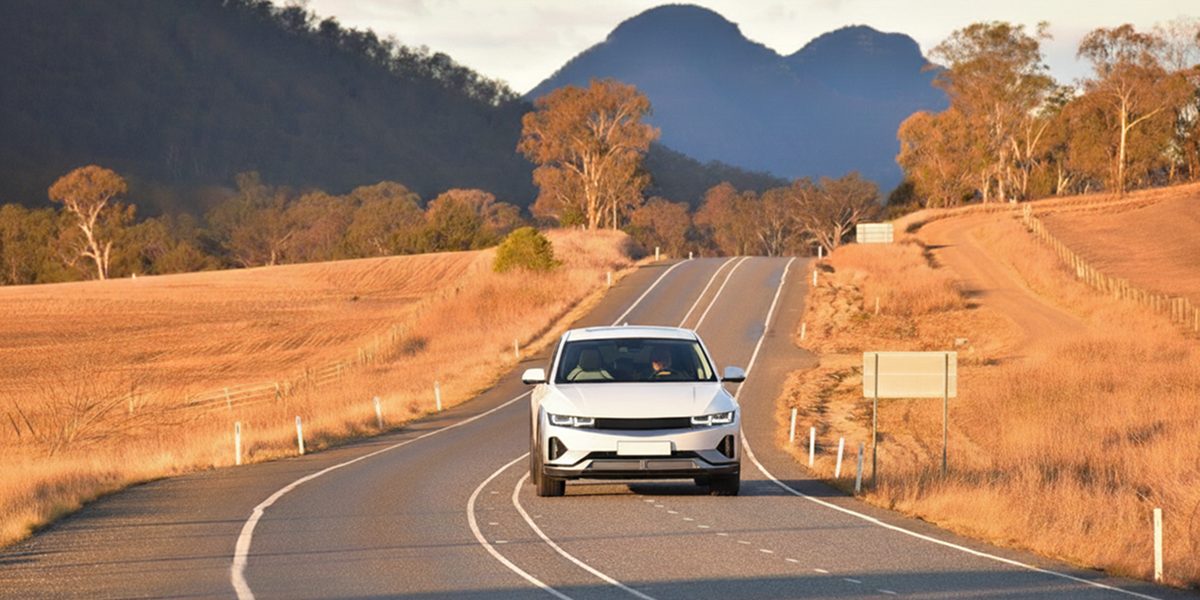
Nothing beats the freedom of exploring Australia by car

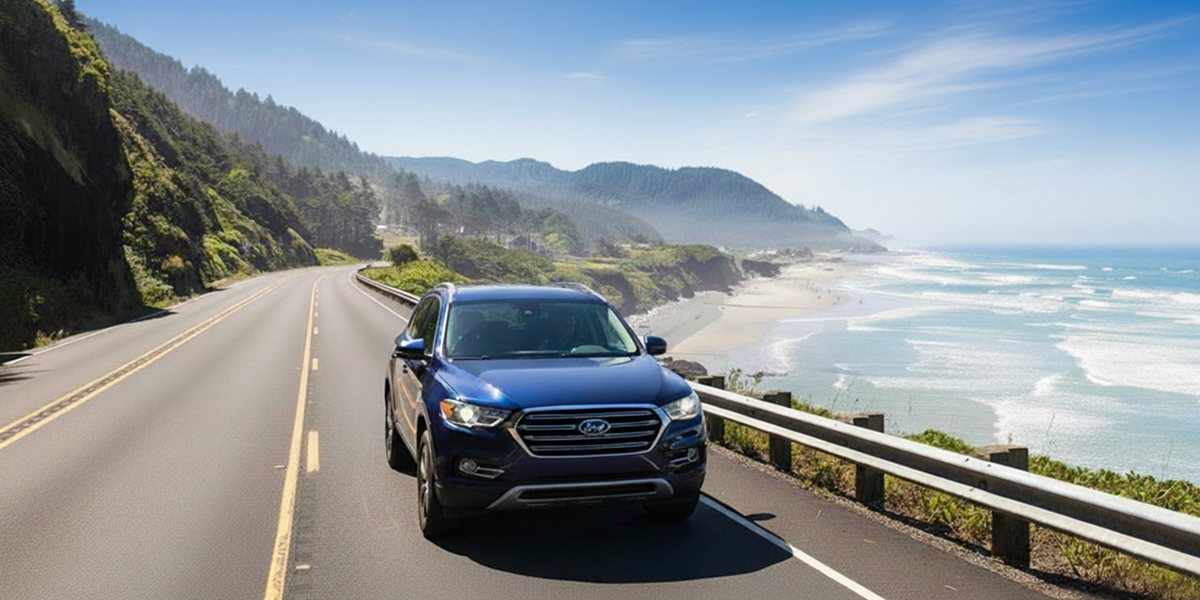
Australia is a vast region full of landscapes and several cities that are miles apart. While public transport works well within major areas, it becomes limited once you move into regional towns or national parks. Buses and trains also follow fixed schedules, which can restrict your flexibility. This is why renting a car is often the most convenient and efficient way to explore the country’s beaches, coastal drives, national parks, and off-the-grid destinations at your own pace.
Benefits of renting a Car
- Freedom & flexibility - you can stop whenever you like, take side trips and explore places public transport won’t reach.
- Time efficiency - it becomes convenient to reach various national parks and viewpoints faster than by bus or train.
- Cost effectiveness - choosing a rental is often more feasible than purchasing multiple public transport tickets. If you're travelling with family or a group, it becomes even more economical, as the total cost can be shared among all passengers.
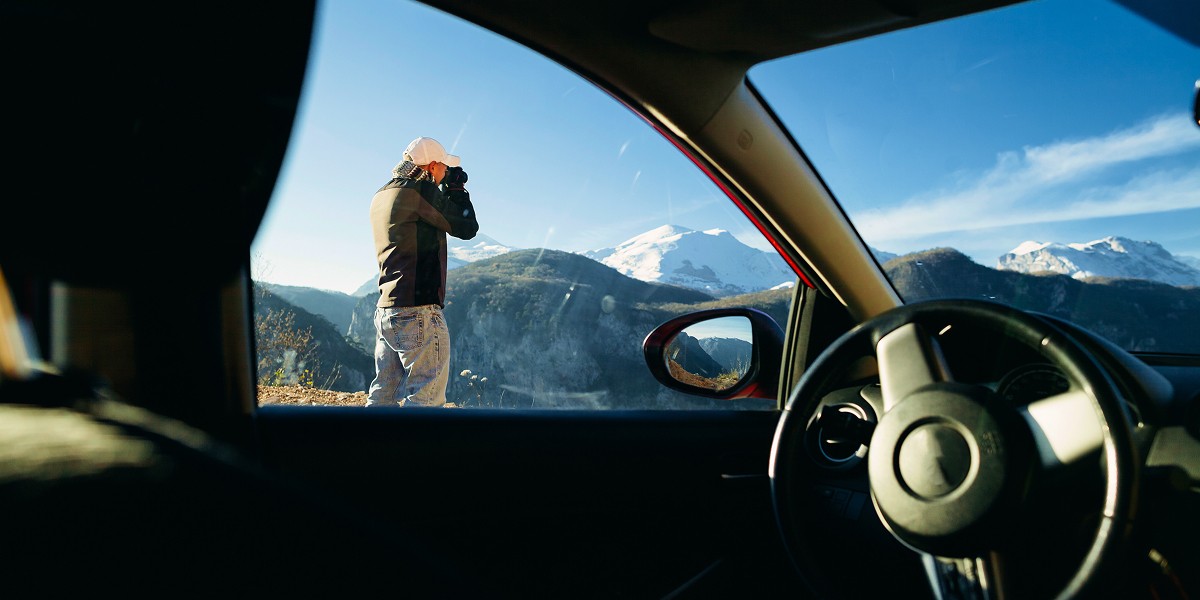
- Better photo & wildlife opportunities - you can make the most of golden-hour lighting and spend as much time as you like observing wildlife, without being restricted by fixed tour schedules.
- Access to remote attractions - some of the famous places like The Great Ocean Road lookout points, Cradle Mountain, Queensland waterfalls, Western Australia’s pink lakes can be explored better in a car.
Ready to hit the road? Here’s how to rent a car in Australia
Renting a vehicle in Australia is a very simple process, but choosing how to book (online or offline) can make a huge difference in cost, convenience and availability. Whether you're going on a cross-country adventure, a short city trip, or business meetings, etc., understanding the booking methods helps you lock in the best deal and avoid last-minute hassles. Below, we break down the two most common ways to rent a car in Australia and what to expect from each.
-
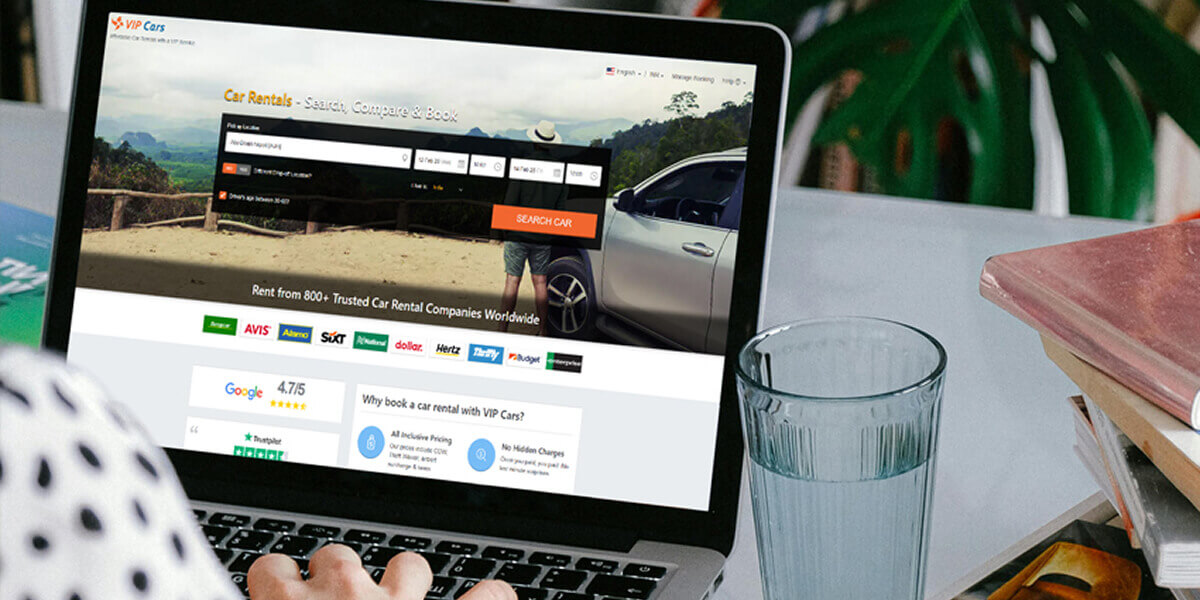
Online booking
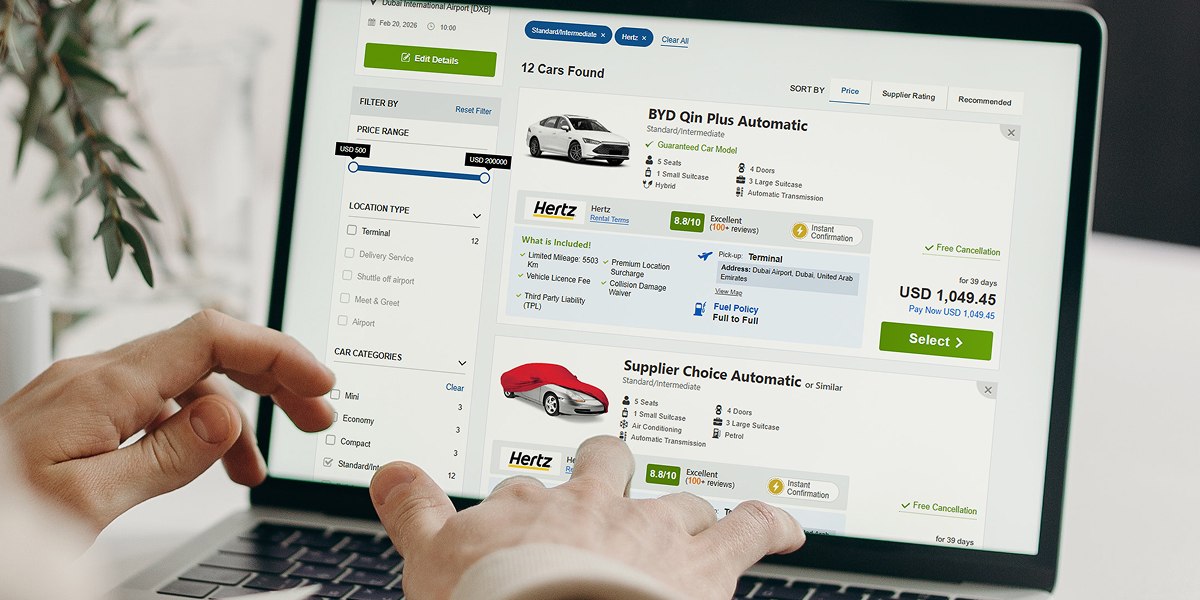
Booking a vehicle online is one of the affordable ways to secure transport in Australia. Most travellers prefer this method because it allows them to compare prices across multiple rental companies, access exclusive web-only deals and confirm their reservation in advance.
Online platforms let you view vehicle categories, fuel policies, insurance options and pickup/drop-off locations before you pay. You can also modify or cancel your booking easily and many companies offer free cancellation up to 24 to 48 hours before pickup.
By paying online, either partially or fully, you lock in lower rates, especially during peak seasons. This method is ideal for international travellers who want assurance and a guaranteed vehicle upon arrival.
-
Offline or walk-in booking

Offline or walk-in booking means reserving a vehicle directly at the rental desk, which is usually located at airports, train stations, or city offices. This method works best for instant travel plans or last-minute decisions.
The advantage is that you can speak to a representative in person, ask questions, clarify insurance details and inspect cars available on the spot.
However, walk-in rates are generally higher than online prices and vehicle availability may be limited during holidays or weekends. If you choose this method, it’s always helpful to call ahead to check the availability of your preferred model, required documents and business hours to avoid any confusion.
Check if you’re all set to rent a car in Australia: age, licence & documents
There are a few eligibility rules and documents that you must possess before you rent a car in Australia. Below is a simple breakdown of the key requirements.
Driver’s licence requirements
- You must hold a valid driver’s licence in English.
- In case your licence is not in English, you must have an International Driving Permit (IDP).
- Your licence must be physical, as digital licences are not accepted.
Minimum age & young-driver fees
- Most rental companies require drivers to be at least 21 years old.
- There is a young driver surcharge applicable for renters below 25 years.
- Drivers aged 25 and above generally have access to the full range of vehicles with no extra fees.
Required documents
- Your original driver’s licence and IDP.
- A valid passport, national ID card or another government-issued ID to verify your identity.
- It is very important to carry a credit card in the main driver’s name. Rental companies use it to hold a security deposit against your rented vehicle.
- You must have a rental voucher or booking confirmation with you (printed or digital). This voucher has your reservation details, like final price, inclusions and helps the rental company quickly locate your booking.
Looking for the best time to rent a car in Australia?
Choosing the best time to rent a car in Australia totally depends on these factors: your travel style, budget & the regions you plan to explore. The country’s seasons are opposite to the Northern Hemisphere, so prices vary significantly based on demand. Here’s a comparison table to plan your rental at the right time!
| Season / Months | Rental Price Trend | Weather & Road Conditions | Best For | Notes |
| Summer (Dec–Feb) | High (Peak Season) | Hot, coastal regions are busy | Beach trips, festivals | Book 6–8 weeks early; high demand during Christmas & New Year |
| Autumn (Mar–May) | Low–Moderate | Mild temperatures, stable weather | Budget travellers, long road trips | One of the best seasons for comfortable driving |
| Winter (Jun–Aug) | Moderate | Cool in the south; dry in NT & QLD | Outback drives, NT & WA exploration | Good for northern regions; southern areas can be rainy |
| Spring (Sep–Nov) | Low–Moderate | Warm, dry, scenic landscapes | Scenic drives, wildlife viewing | Another ideal season with balanced rates & weather |
| School Holidays / Long Weekends | High | Varies by region; busy highways | Family trips | Prices increase; availability decreases |
| Post-Holiday (Late Jan–Early Feb) | Low | Warm but less crowded | Deal seekers | Great time for discounted rentals after peak season |
Key checks before renting? Don’t skip them!
While comparing rental options in Australia, it’s important to look beyond just the price. Understanding which car is suitable for your journey, inclusions that are added in the agreement and what might cost extra, supplier’s ratings, etc., will help you find the most ideal deal of your life.
Rental vehicle categories in Australia
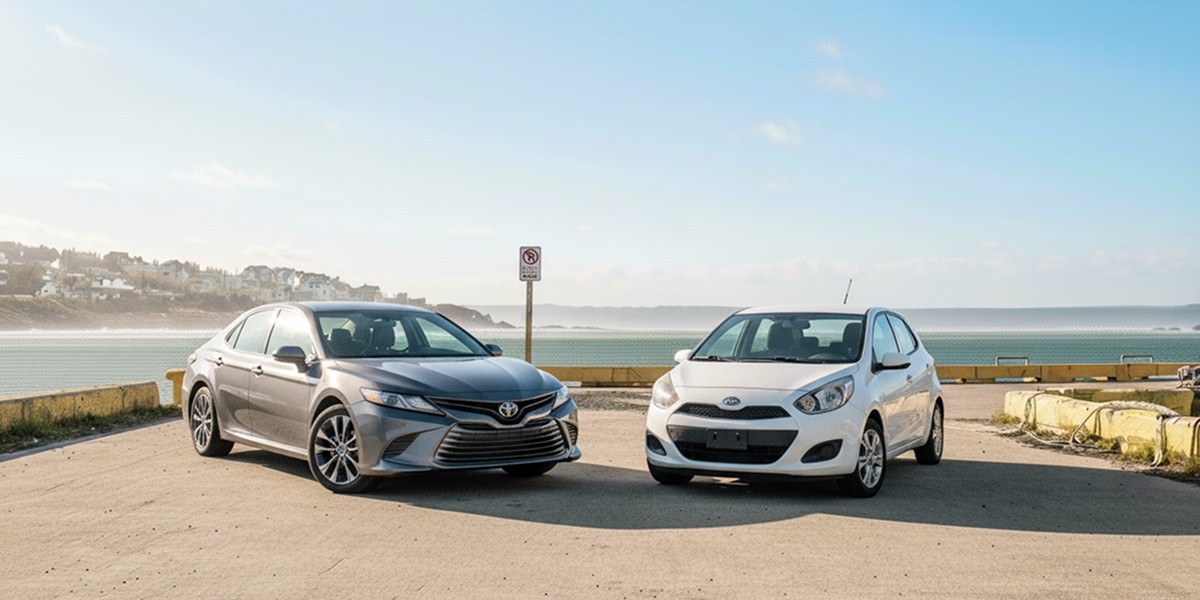
There is a wide range of rental categories available to suit different travel styles, budgets and terrains. Whether you are exploring the city streets, driving long coastal highways or going on outback routes, selecting the right car category gives you comfort, safety and the best value for your journey. Below is a simple comparison to help you decide which vehicle type matches your travel needs.
| Car Categories at a Glance | ||||
| Category | Ideal for | Passenger & Luggage Capacity | Features | Typical Use Case |
| Economy | Solo travellers & couples | 4–5 passengers, 1–2 small bags | Best fuel economy, cheapest option | City touring, short trips |
| Compact | City travellers on a budget | 4–5 passengers, 2 bags | Easy to park, good mileage | Urban travel, day trips |
| Intermediate / Sedan | Small families or groups | 5 passengers, 2–3 bags | Comfortable seating, balanced performance | Highway drives, light luggage trips |
| Full-Size Sedan | Families wanting comfort | 5 passengers, 3–4 bags | Spacious interior, smooth highway ride | Long-distance drives |
| SUV (Compact/Mid-Size) | Families & adventure seekers | 5 passengers, 3–4 bags | Better ground clearance, comfortable for long trips | National parks, beach towns, long routes |
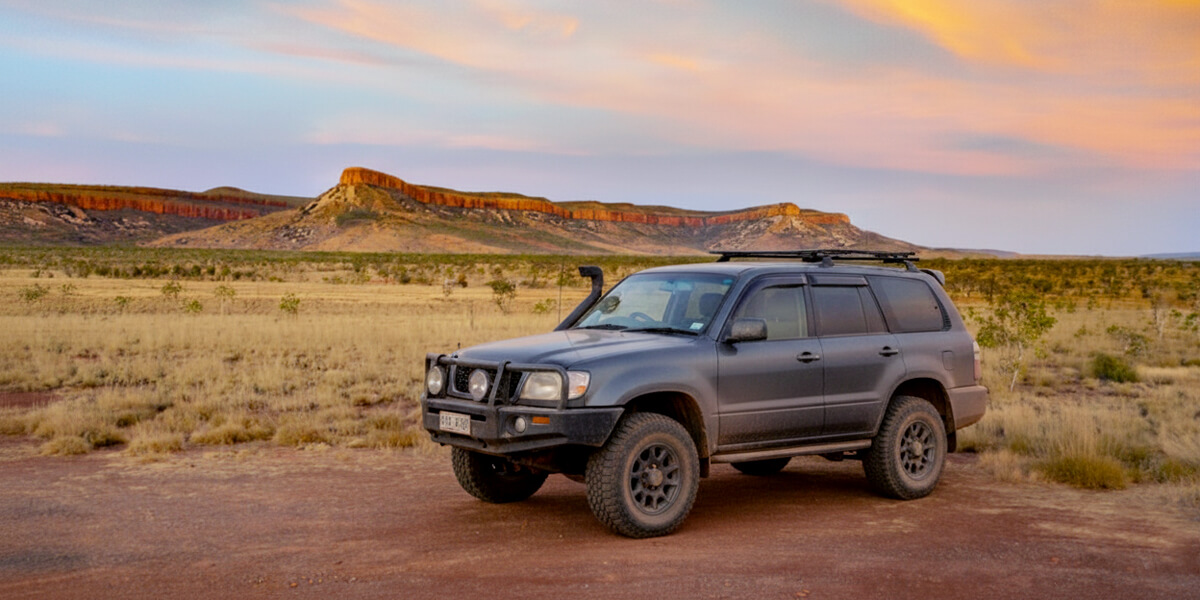
| Large SUV / 4WD | Outback & rugged terrain | 5–7 passengers, 4–5 bags | Ideal for off-road & remote regions, great space | Outback adventure, mountain regions |
| Van/Minivan | Large groups & families | 7–12 passengers, ample luggage (varies) | Seats many people, comfortable | Group travel, airport transfers |
| Luxury / Premium | Business travel & comfort seekers | 4–5 passengers, 2–3 bags | High-end features, best comfort | Business trips, special occasions |
Airport vs city car rentals in Australia
Most travelers pick up their cars at airports because it’s convenient after a long flight. Here is a quick comparison:
| Feature | Airport Rental | City Rental |
| Availability | High | Moderate |
| Prices | Slightly higher | Often cheaper |
| Convenience | 24/7 desks | Limited hours |
| Best For | International arrivals | Budget travelers |
Note : If you’re looking for the best car rental Australia airport options, book at least 2 to 4 weeks before arrival.
Supplier’s rental terms
The rental conditions differ from supplier to supplier. Reading the supplier’s terms helps you avoid unexpected costs later. Therefore, before making a final payment, always check:
- Age restrictions
- Bond / security deposit amounts
- Extra driver fees
- Road rules for remote/outback driving. Some may restrict off-road or gravel-track travel.
- Any kilometre limits
Reviews & ratings
A great deal is only worth it if the rental company provides reliable service. Look for its customer reviews on Google, Trustpilot or any trusted travel forums. Check for the ratings based on vehicle cleanliness, pickup/drop-off experience and customer support. Opt for suppliers with consistent positive feedback about transparency and ease of communication.
Inclusions
You must know exactly what you’re paying for. So make sure to check what’s included in your selected deal. Some of the common inclusions that are usually offered are the basic insurance, GST and other taxes, unlimited kilometres, free cancellation or modifications and some extras like GPS, child seats, or additional drivers.
Note : all these inclusions vary by state and suppliers.
Fuel, toll roads & mileage policy
Understanding your supplier’s fuel and mileage rules is essential to avoid unexpected charges at the end of your journey. These policies outline how much fuel you must return the car with and how far you’re allowed to drive. Always review these terms before confirming your booking.
Fuel Policies
Rental companies in Australia generally offer one of the following fuel options:
- Full to Full – you receive a full tank of fuel, and you are required to return the vehicle with the full tank.
- Same to Same – your vehicle will have a specific fuel level and you must return it with the same level.
- Full to Empty – you will get a full tank of fuel & can return it with an empty tank. Remaining fuel is not refundable.
Mileage Policies
Mileage policies determine how far you’re allowed to drive in a day:
- Unlimited Miles – you have the flexibility to travel as much as you want without worrying about the distance. Ideal for long road trips like the Great Ocean Road, Tasmania loops, or Sydney to Brisbane drives.
- Limited Kilometres – some suppliers set daily limits on the rentals. You are allowed to drive a certain distance, like 100 to 200 miles per day. Exceeding the limit will incur per-kilometre charges, which can be expensive.
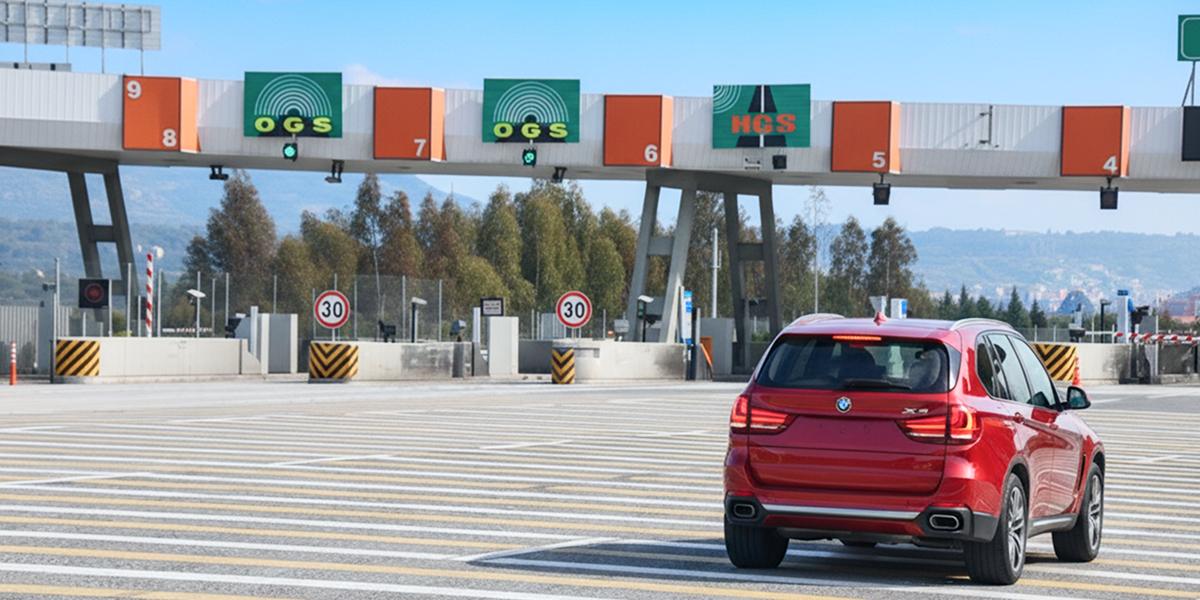
Toll roads & e-tags
Major cities have electronic toll systems in Australia. Rental companies typically offer:
- Pay-as-you-go – the company charges tolls to the card on file along with a processing fee.
- Daily unlimited toll package – can be cost-effective for heavy toll users.
- Opt-in temporary e-tag – in some markets, you can add a device to your booking.
Tip: if you plan many toll crossings, a flat toll pass may be cheaper than per-toll processing fees.
Rental car insurance in Australia
Insurance is one of the most important factors in a rental deal. Understand what is included in the base deal, like Collision Damage Waiver (CDW), Theft Protection and Third-Party Liability. You must know the excess amount, i.e. how much needs to be paid in case of damage and whether to purchase excess reduction/coverage or not. Travellers can also opt for third-party options, like travel insurance or credit card insurance, which sometimes offer excess reimbursement.
Before confirming a booking, it’s important to read the coverage details carefully to understand what’s included and what’s excluded. Also do verify whether off-road or remote-area driving is protected, especially if you’re heading into the Outback.
Australia’s best rentals — grab the keys!
You will come across a wide mix of international and local car rental brands in Australia. This gives plenty of options in terms of price, vehicle types and service quality. Whether you’re headed to a city tour, coastal drives or outback adventures, you will always get reliable fleets and nationwide support. Some of the popular companies include Sixt, Europcar, Alamo, Thrifty, National, Enterprise, Keddy, Aerodrive, Ezu and East Coast.
Top spots to rent & roll around Australia
Australia’s major cities, airports and tourist hubs offer extensive car rental alternatives, making it easy to pick up a vehicle wherever your journey begins. Popular locations include international airports, downtown areas, and key gateways to iconic road trips. Whether you're exploring cities, coastal regions, or remote outback areas, these top rental hotspots provide convenient access to a wide range of vehicles.
| Comparison table: Top car rental locations in Australia | |||
| Location | State/Territory | Why It’s Popular | Best For |
| Sydney Airport (SYD) | New South Wales | Largest international gateway in Australia | City stays, NSW coastal drives |
| Melbourne Airport (MEL) | Victoria | Major hub with wide rental availability | Great Ocean Road, city & regional travel |
| Brisbane Airport (BNE) | Queensland | Perfect starting point for Queensland road trips | Gold Coast, Sunshine Coast, outback QLD |
| Perth Airport (PER) | Western Australia | Easy access to WA’s vast landscapes | Rottnest, Margaret River, WA outback |
| Adelaide Airport (ADL) | South Australia | Gateway to wine regions and rugged terrain | Barossa Valley, Kangaroo Island |
| Hobart Airport (HBA) | Tasmania | Ideal for exploring Tasmania’s scenic routes | East Coast Drive, national parks |
| Cairns Airport (CNS) | Queensland | Tropical tourism hotspot | Great Barrier Reef, Daintree Forest |
| Darwin Airport (DRW) | Northern Territory | Access to the NT wilderness | Kakadu, Litchfield, outback adventures |
| Gold Coast Airport (OOL) | Queensland | Tourist-heavy region with many rentals | Beach holidays, theme parks |
| Alice Springs Airport (ASP) | Northern Territory | Central Australian outback hub | Uluru road trips, Red Centre |
| Canberra Airport (CBR) | ACT | Business hub with good transport links | City travel, Snowy Mountains |
| Launceston Airport (LST) | Tasmania | Popular for northern Tasmania routes | Cradle Mountain, Tamar Valley |
Types of car rental deals in Australia: Pick your vibe, pick your ride!
You get a variety of car rental deals in Australia that are designed to suit different travel plans, budgets and durations. Understanding these options helps you find the most feasible choice for your trip, whether you're planning a short city break, a family holiday, or a long outback adventure. Below are the most common types of rental deals you can avail:
Short-Term Rentals
This type of deal is best for travellers who need a car for a short duration, let’s say 1 or 6 days. It is perfect for weekend or business trips and offers flexible pick-up & drop-off locations.
Long-Term Rentals
With a long-term rental, you can easily hire a car in Australia for several weeks to months. Such type of deal has lower average daily rates as compared to short-term hires. It is a great option for extended holiday plans or temporary relocation.
One-Way Rentals
With the one-way rentals, you can easily pick up the car from one location and return it to another according to your itinerary. You have to pay a one-way fee, which varies by supplier & distance. Such deal is best for road trips like Sydney to Brisbane or Perth to Exmouth.
-
How to find the cheapest one-way rental in Australia?
- Always book early, as prices and fleet availability tighten close to travel dates.
- Choose popular one-way routes as they have comparatively lower fees because companies rebalance fleets along them.
- Make sure to compare different suppliers as the fees vary insanely by company and route.
-
Most popular & traveller-friendly one-way routes
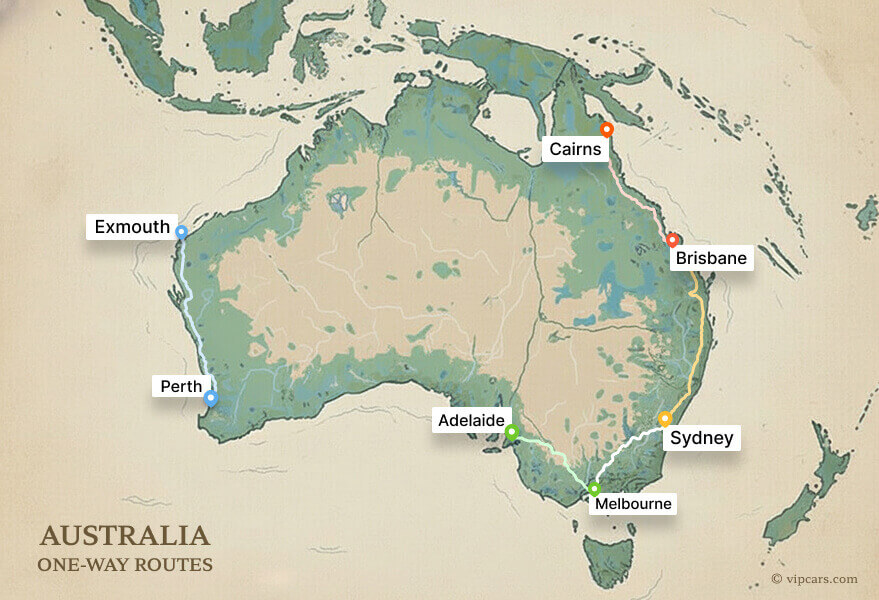
Australian Road Trip Routes Route Approx. Distance (miles) Estimated Driving Time Key Highlights Sydney → Brisbane 572 miles 10–11 hrs Port Macquarie, Coffs Harbour, Byron Bay Melbourne → Sydney 547 miles (coastal) / ~541 miles (Hume Hwy) 9–10 hrs Canberra, Sapphire Coast, Southern Highlands Melbourne → Adelaide 451 miles 8–9 hrs Great Ocean Road, Grampians, wine regions Brisbane → Cairns 1,056 miles 19–20 hrs Sunshine Coast, Airlie Beach, Townsville Perth → Exmouth 777 miles 12–13 hrs Cervantes, Coral Bay, Ningaloo Reef
Last-Minute Deals
Last-minute deals are ideal for random plans or urgent business meetings. However, availability may be limited. If you are lucky enough, you might get discounted rates close to your pickup date.
Stay safe behind the wheel: Aussie road rules & must-know tips
Driving rules
- The country follows left-hand driving & the steering wheel is on the right. So if you come from a right-hand driving country, take extra caution during the first few hours.
- Never use handheld mobiles while driving; fines are really heavy.
- Follow the speed limits strictly; for urban areas, the limit is between 40 to 60 km/h. On highways and rural roads, you can drive between 80 to 110 km/h and in school zones, the speed is restricted to 25–40 km/h.
- Seatbelts are required for all passengers, no matter where they are seated.
- The country has strict drink-driving laws, so do not drink & drive. Police conduct random breath tests frequently.
- You must give way to vehicles already in the roundabout and follow the “Turn Left → Keep Left” rule.
Seasonal & regional hazards
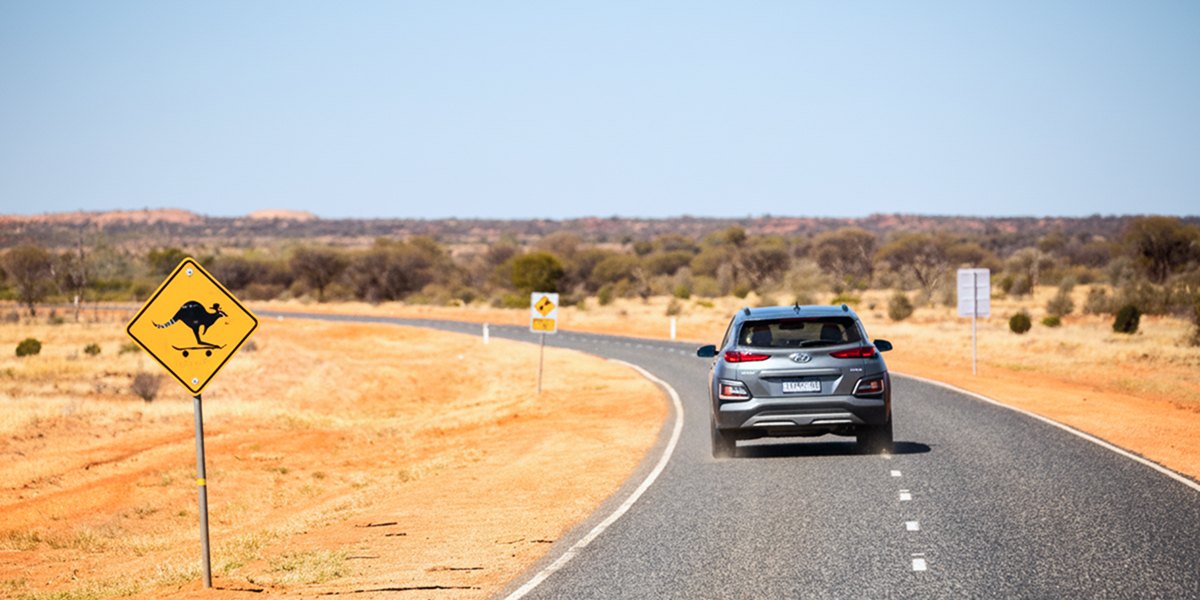
- Wildlife: Kangaroos, emus & wallabies are active at dawn and dusk. Slow down in rural areas.
- Long distances & driver fatigue: the highways can be extremely long and isolated. Wherever possible, you can use designated rest stops.
- Heat & remote travel: during the summer season, i.e. from December to February, prepare extra water and check vehicle cooling systems. Many roads in the Outback are filled with gravel or sand, so select your vehicle accordingly.
- Autumn season: the season starts from March to May & is great for long road trips. Drive carefully as the wildlife becomes more active during cooler mornings and nights.
- Monsoon season: roads may flood, so many tracks are closed during the rainy season. Get the information about the road conditions from visitor centres or locals.
- Winter: mountain passes like Victorian high country may have snow or ice from June to August. Add the relevant ‘Extras’ in your rented car to have a safe drive.
Australian Outback safety essentials
- Carry extra fuel, water, a first-aid kit, a spare tyre and a satellite phone or PLB (personal locator beacon) for remote routes.
- Let someone know your itinerary and expected check-in times.
- Never rely on a single fuel stop, as you will get long stretches without services. It is better to fill up when you have the chance.
- Dial 000 to call police, fire, or ambulance in emergencies.
Charging up your adventure? Australia’s EV rentals have you covered!
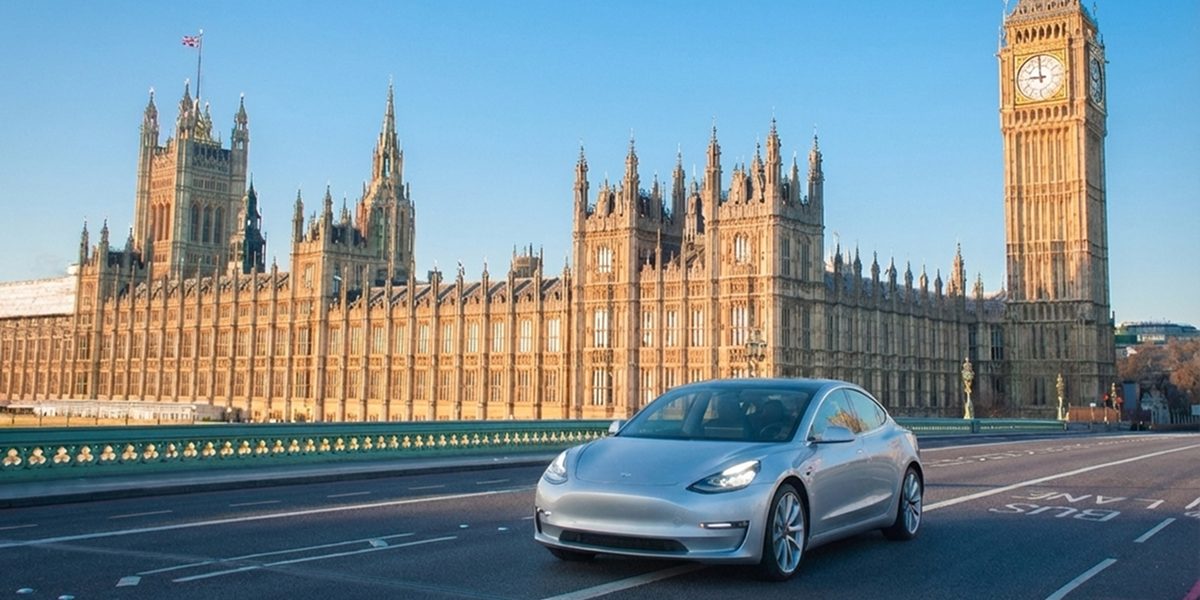
The demand for electric car rental in Australia is increasing day by day. Travellers are now more inclined towards an eco-friendly and cost-efficient transportation system. Major rental companies now offer a variety of EV models, including Tesla, BYD, Hyundai and MG.
Benefits of renting an EV
- EVs generally have lower running costs as charging costs way less than refuelling with petrol or diesel.
- You get a smooth and quiet drive. Instant torque and reduced cabin noise increase comfort level.
- It is an eco-friendly option due to zero tailpipe emissions and a reduced carbon footprint.
- EVs are convenient for city trips, all thanks to the regenerative braking and compact designs, which make urban driving easier.
Practical tips before renting an EV in Australia
- Before making a final call, do check the vehicle’s range to make sure that it fits your travel plans.
- You must have the basic information on charging types . AC charging (alternating current) is ideal for overnight or long stops, as it charges the vehicle slowly. Similarly, DC fast charging (direct current) is best for quick top-ups on highways.
- Download reliable charging apps that can find nearby stations and monitor the availability.
- Ask the rental company whether charging cables, adapters or charge-card access are included.
- You must plan your routes carefully, especially if you are travelling outside metropolitan areas.
Got Questions? We’ve Got Answers!
-
Are one-way rentals allowed in Australia?
Yes. Many companies allow one-way rentals between major cities and airports, though a one-way fee may apply.
-
Is car rental insurance mandatory in Australia?
Usually, basic insurance with a standard excess is included in all rentals in Australia. However, it’s recommended to take Excess Reduction, Collision Damage Waiver (CDW) or additional coverage to protect yourself from high expenses. Tyres, windscreens, roof and underbody damage may not be included in basic insurance.
-
What is the minimum age to rent a car in Australia?
Most rental companies require drivers to be at least 21 years old, although the minimum can vary by vehicle category. Drivers under 25 need to pay a young driver surcharge and may be restricted from renting speciality vehicles like luxury cars or SUVs.
-
What’s the easiest way to pay tolls when driving a rental car in Australia?
Most of the rental cars in Australia are equipped with an electronic toll tag or are registered for automatic toll payments. That means, when you drive through a toll road, the charges are recorded & later billed to you by your supplier, along with a small service fee. This is the easiest way to pay for tolls.


























































































'%3E%3Ccircle cx='0' cy='0' r='7' fill='%23fff'%3E%3CanimateTransform attributeName='transform' type='scale' begin='-0.24691358024691354s' calcMode='spline' keySplines='0.3 0 0.7 1;0.3 0 0.7 1' values='0;1;0' keyTimes='0;0.5;1' dur='0.6407407407407407s' repeatCount='indefinite'/%3E%3C/circle%3E%3C/g%3E%3Cg transform='translate(50 50)'%3E%3Ccircle cx='0' cy='0' r='7' fill='%23fff'%3E%3CanimateTransform attributeName='transform' type='scale' begin='-0.12345679012345677s' calcMode='spline' keySplines='0.3 0 0.7 1;0.3 0 0.7 1' values='0;1;0' keyTimes='0;0.5;1' dur='0.6407407407407407s' repeatCount='indefinite'/%3E%3C/circle%3E%3C/g%3E%3Cg transform='translate(75 50)'%3E%3Ccircle cx='0' cy='0' r='7' fill='%23fff'%3E%3CanimateTransform attributeName='transform' type='scale' begin='0s' calcMode='spline' keySplines='0.3 0 0.7 1;0.3 0 0.7 1' values='0;1;0' keyTimes='0;0.5;1' dur='0.6407407407407407s' repeatCount='indefinite'/%3E%3C/circle%3E%3C/g%3E%3C/svg%3E)