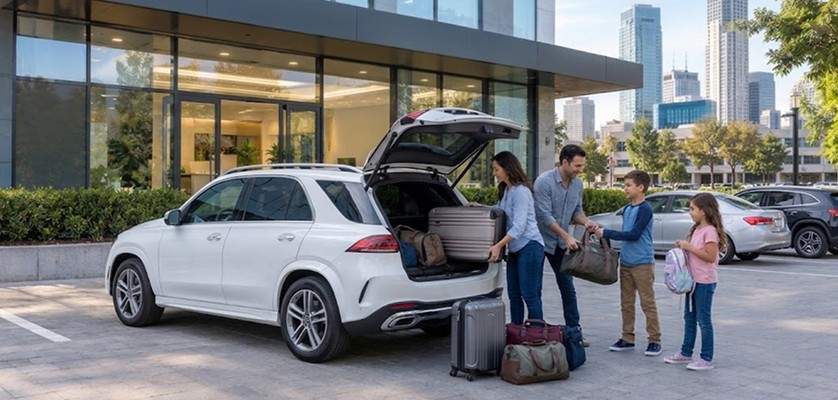
Choose a rental car by matching these four things: passengers, luggage, route and total cost. While small cars are great for city driving or highways, SUVs and passenger vans suit families traveling with heavy luggage. AWD/4WD are ideal for snow or unpaved roads.
Sometimes you might give more importance to the quoted rental price than the type of vehicle being booked. You ignore the car specifications & skip the fact that it directly impacts your overall journey. It decides how the rest of the trip goes and how comfortable you and other co-passengers are during that time.
So the next time you make a reservation, read our well-researched take on how to choose the right rental car for your trip. This will help you if you are confused about which category or particular features you must look for before finalising your booking!
What to consider when choosing a rental car?
Trip logistics & space requirements
-
Passengers vs. luggage space
Don’t select a vehicle just on the basis of its seating capacity. For example, 5 passengers can be seated in a standard sedan. However, its trunk can generally store up to 3 small suitcases.
Therefore, if you are traveling with 4 people with lots of luggage, including ski equipment, golf bags or camping gear, it is recommended to book an SUV or full-size sedan.
-
Driving distances
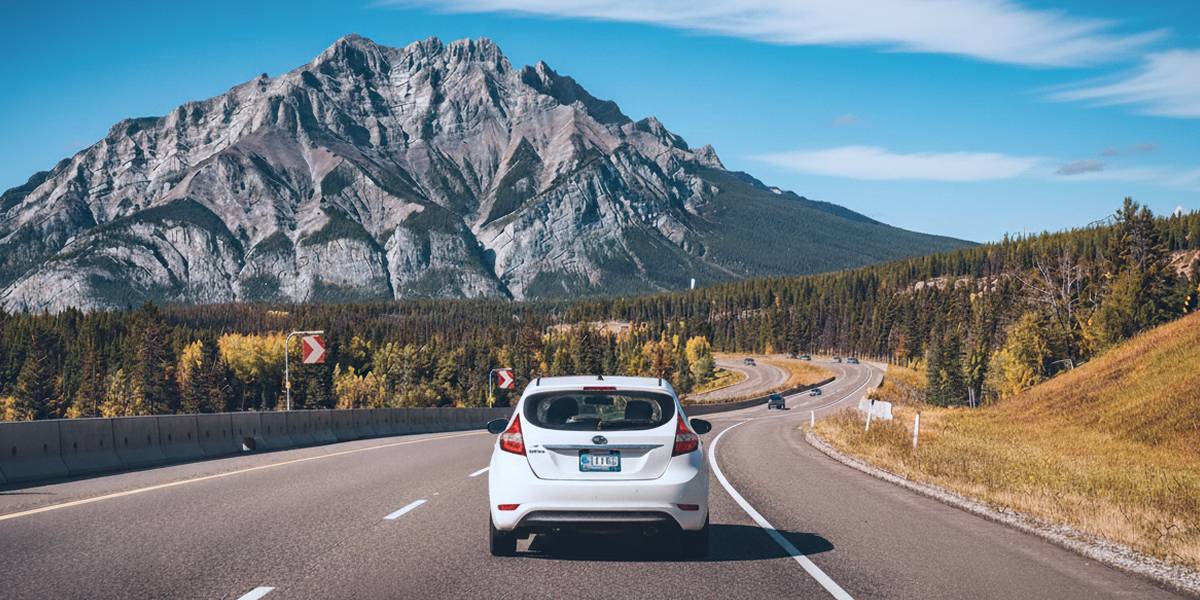
For long-distance road trips like traveling in the USA, prioritize fuel-efficient categories like Economy or compact car. Your journey must be comfortable, so selecting a vehicle with features like adaptive cruise control or lumbar support seats is always a good idea.
Terrain, weather & destination geography
-
City vs. countryside
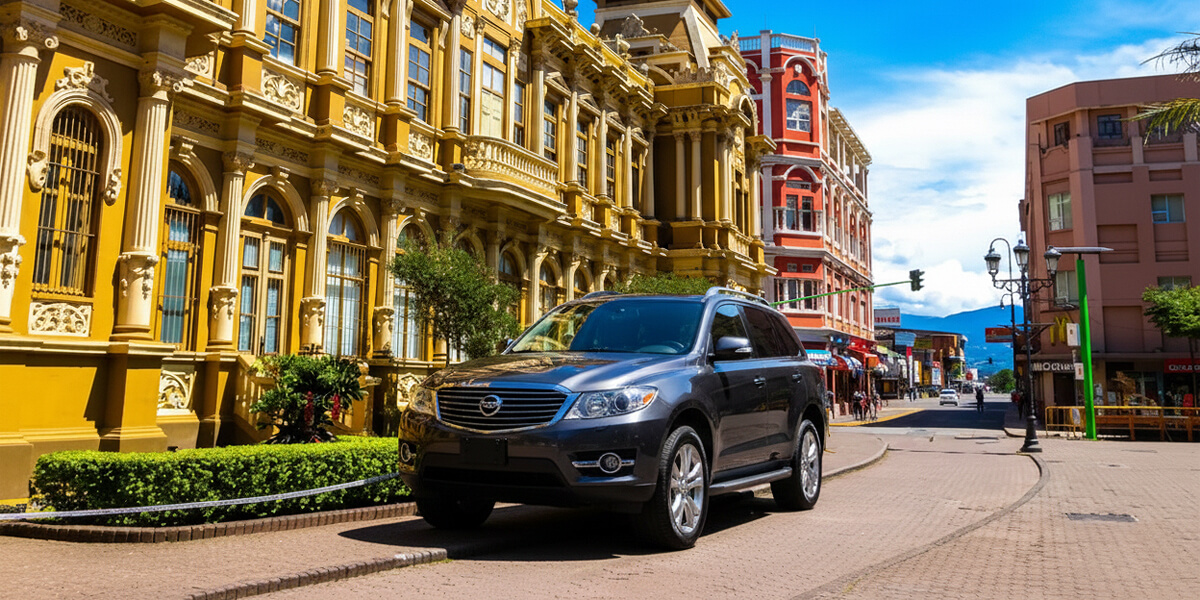
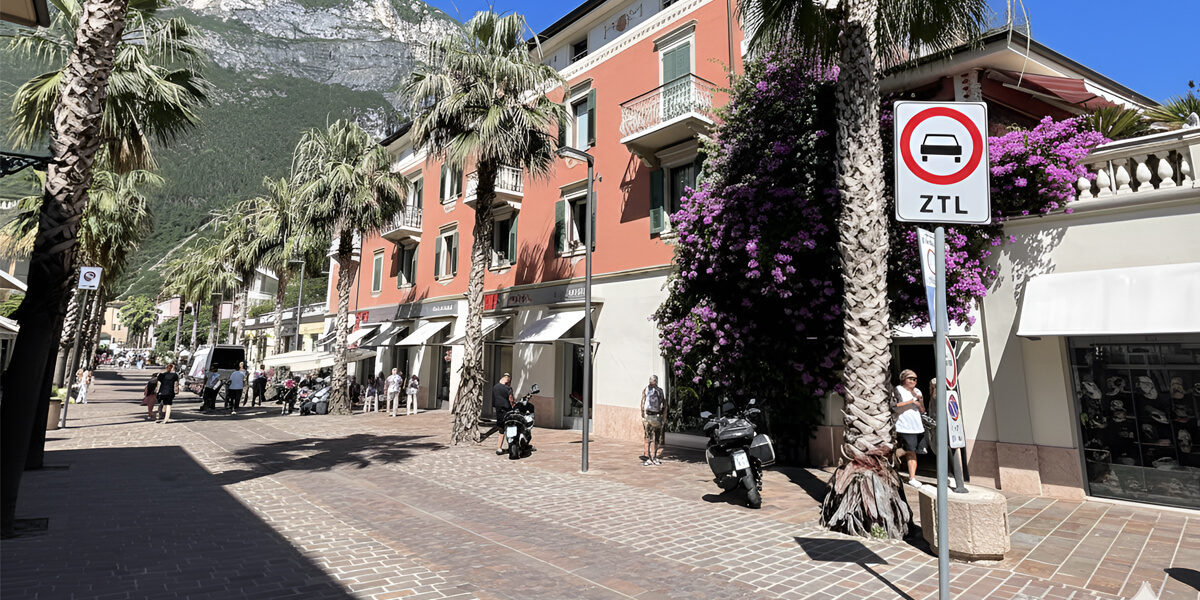
Go through your itinerary carefully and look if you are mainly driving in dense cities or historic areas (e.g., European cities like Naples, Rome and Athens with narrow streets & tight parking garages). A smaller car is better for easy navigation and parking.

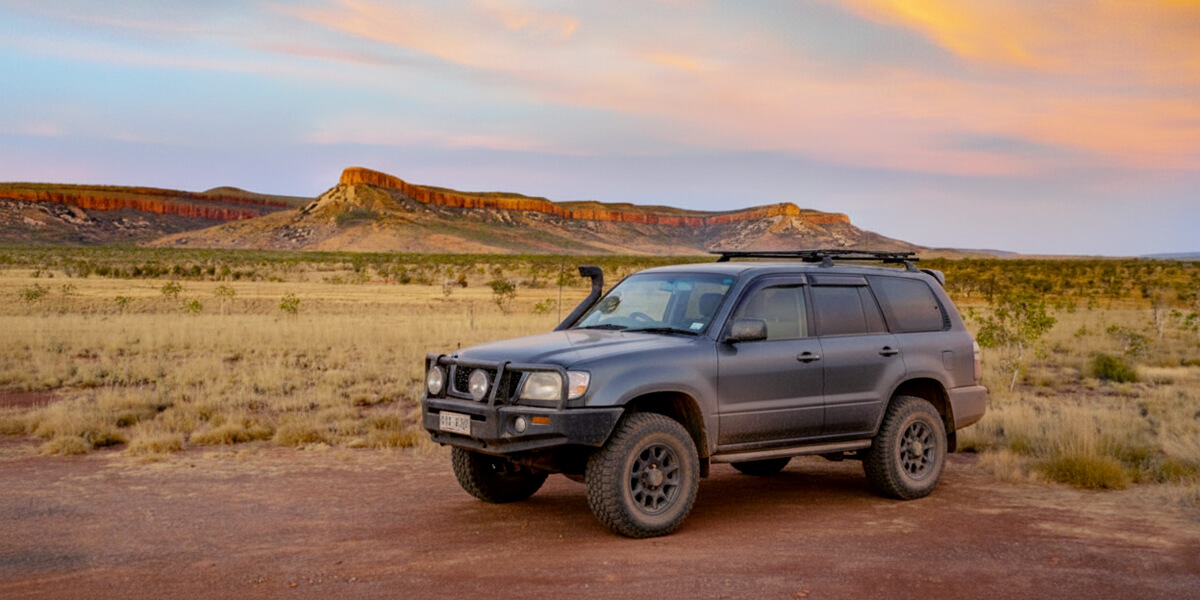
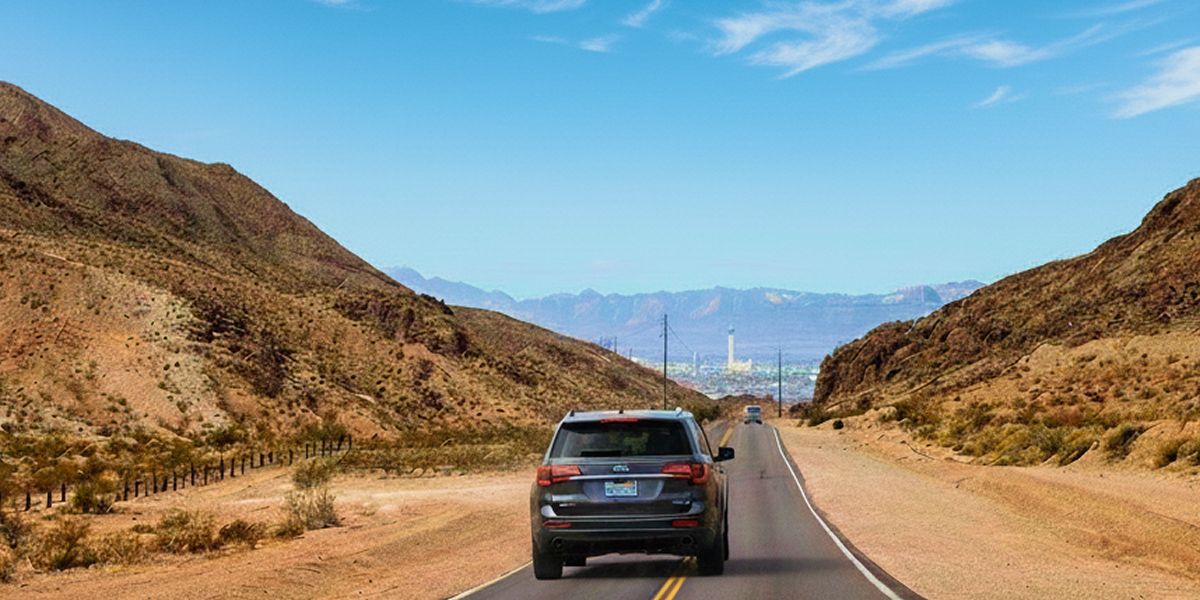
On the other hand, if you are driving in rural areas, national parks or mountain passes, look for vehicles with higher ground clearance.
-
Weather conditions
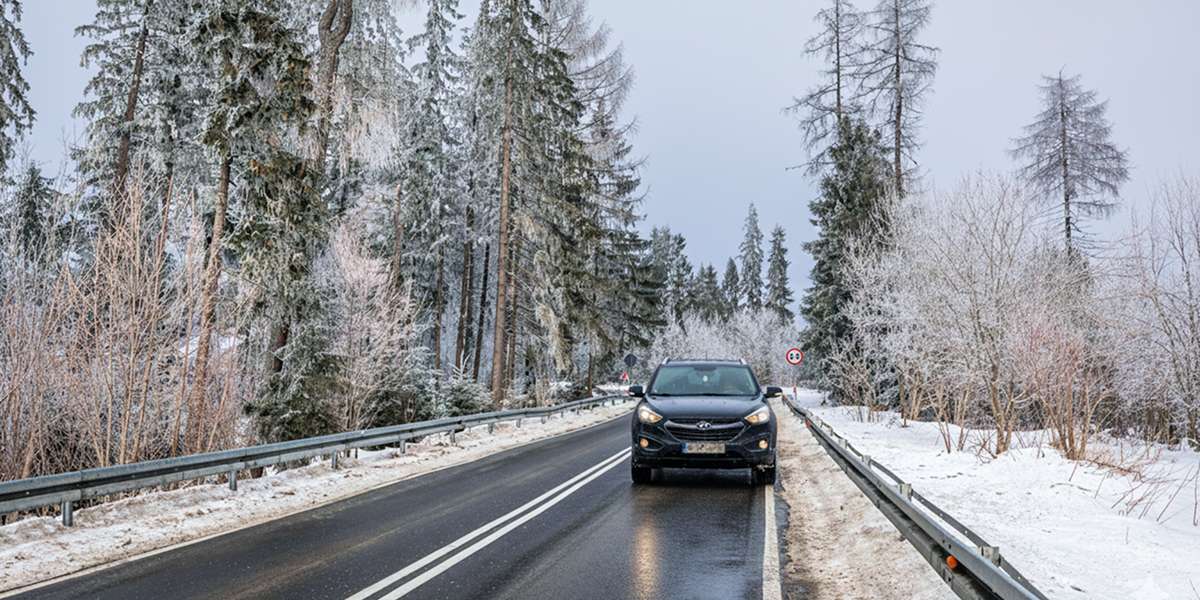
If you need a rental car for the winter season or monsoons, prioritize All-Wheel Drive (AWD) or Four-Wheel Drive (4WD) vehicles. For such weather conditions, you require a vehicle with high ground clearance and good tyres that can handle snow/heavy rainfall efficiently.
Check whether the car is equipped with winter tyres or if you need to add extra add-ons like snow chains for a safe journey. For example, in Iceland it is mandatory to have winter tyres from 1st November to 15th April.
-
Transmission type
Manual transmission is still common in many European countries like Greece, Italy, France & Portugal, South American countries like Brazil or Argentina and parts of Asia like China and India.
If you are used to an automatic transmission, make sure to book it beforehand, especially during peak travel season of that particular destination.
Pricing, fees & fine print
-
True total cost
Don’t just focus on the advertised per-day price of a deal. You should check what all is included or excluded in the deal like any local surcharges (if applicable). Verify it with your selected car rental company before making a final booking.
-
Mileage restrictions
Check if your selected car offers unlimited mileage or has a daily cap because extra per-mile fees can add up quickly. Deals with limited mileage are not so practical if your itinerary includes traveling to multiple destinations in a single trip.
-
Fuel policy
Check the fuel policy of the rental car carefully. Verify how much fuel will be provided at pickup and what is required when returning the vehicle. If possible, go for a "Full-to-Full" policy (where you pick up with a full tank and return it full).

-
Driver fees
Factor in extra costs for additional drivers or young/senior driver surcharges (typically for drivers under 25 or over 70).
Insurance & deposit requirements
-
Existing coverage
Check the insurance that is being provided with the rental deal. Determine whether you need extra coverage. You should even verify whether your primary auto insurance or credit card covers rental cars. In the USA, many credit cards already carry rental car insurance.
-
Credit card & security deposit
Most rental suppliers place a hold on your credit card for a refundable security deposit. Make sure your card limit is sufficient to cover the deposit hold.
Pickup & drop-off logistics
-
Location (Airport vs. downtown)
Selecting a suitable pick-up location can make a big difference in your journey. Airports offer the widest fleet of vehicles at competitive prices from multiple suppliers, whereas downtown gives a good amount of choices & is a practical pick-up option if you are already in the city.
Other than that, you can select other types of pickups too: train stations, bus stations or ports.
-
Operating hours
Verify the business hours of your supplier if you have late-night arrivals or early-morning flights. Confirm whether they offer after-hours car rental pickup/return options and the process that needs to be followed.
Also read: How early should you arrive for airport car rental pickup?
Which rental car type is best for your trip?
The best rental car is not something universal but changes as per your needs. You may find that a mini was the most suitable option for your previous trip and an SUV the perfect match for another.
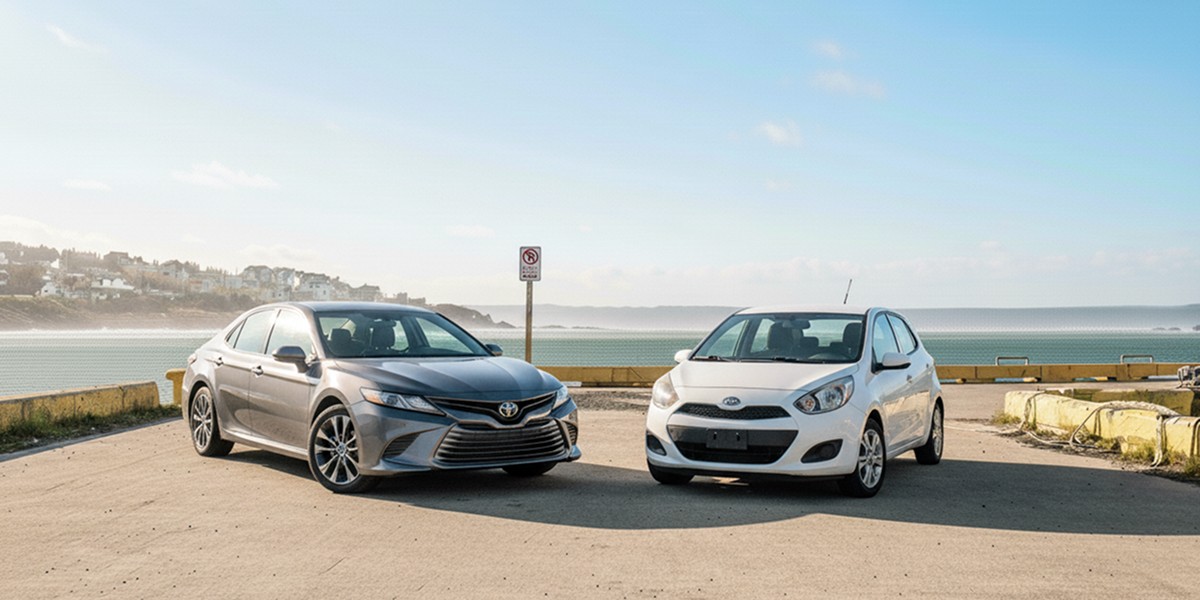
Therefore, the best rental car totally depends on your budget, number of people, luggage and travel plans. From compact city cars to spacious vans and luxury vehicles, each category offers its own benefits. Here is a table you can refer to before selecting your vehicle:
| Rental car type | Best suited for | Key benefits |
|---|---|---|
| Mini car | Solo travelers, couples & short city trips | Easy parking, compact size & generally low running costs |
| Economy car | Budget-conscious travelers & everyday driving | Affordable rental rates & good fuel efficiency |
| Compact car | Couples, small families & city-to-city travel | A balance of comfort & practicality |
| Sedan | Business trips & longer journeys | Comfortable seating, stable highway driving & boot space |
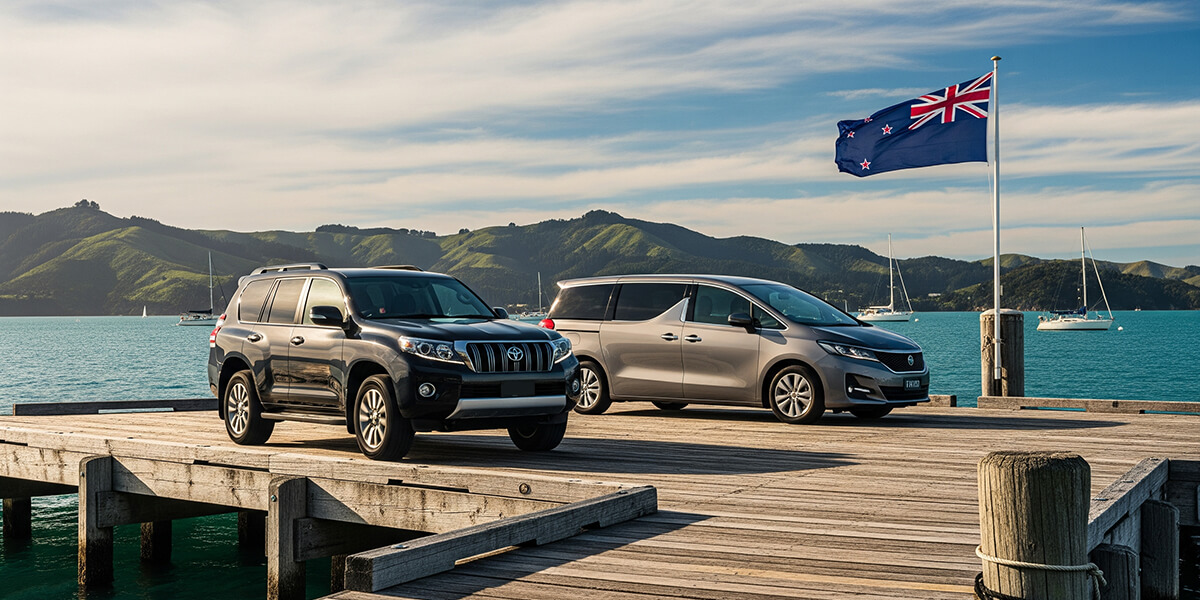
| SUV (5-7 seater) | Families, road trips & destinations with varied road conditions | Higher seating position, cabin space & versatility |
| Passenger van (7-15 seater) | Larger groups & group holidays | Multiple seats & practical space for group travel |
| Luxury car | Premium holidays, business travel & special occasions | Upscale interiors, advanced features & enhanced comfort |
| Electric car | City driving & journeys with accessible charging | No tailpipe emissions & potentially lower energy costs |
How your destination & travel plans affect your choice
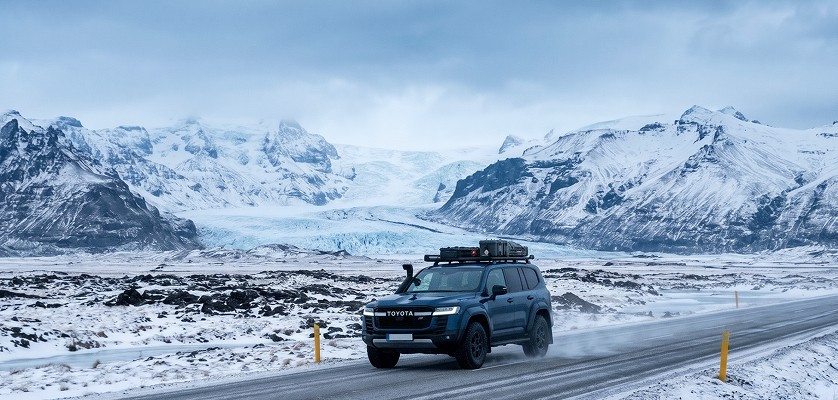
The type of location you are heading to matters when choosing a vehicle. For instance, while selecting a rental car for a ski trip, you will look for AWD or 4WD options rather than an economy car.
Another thing that matters is the local driving conditions. Go through your itinerary and check the road conditions of that particular region before finalising your booking. Refer to these points:
City driving
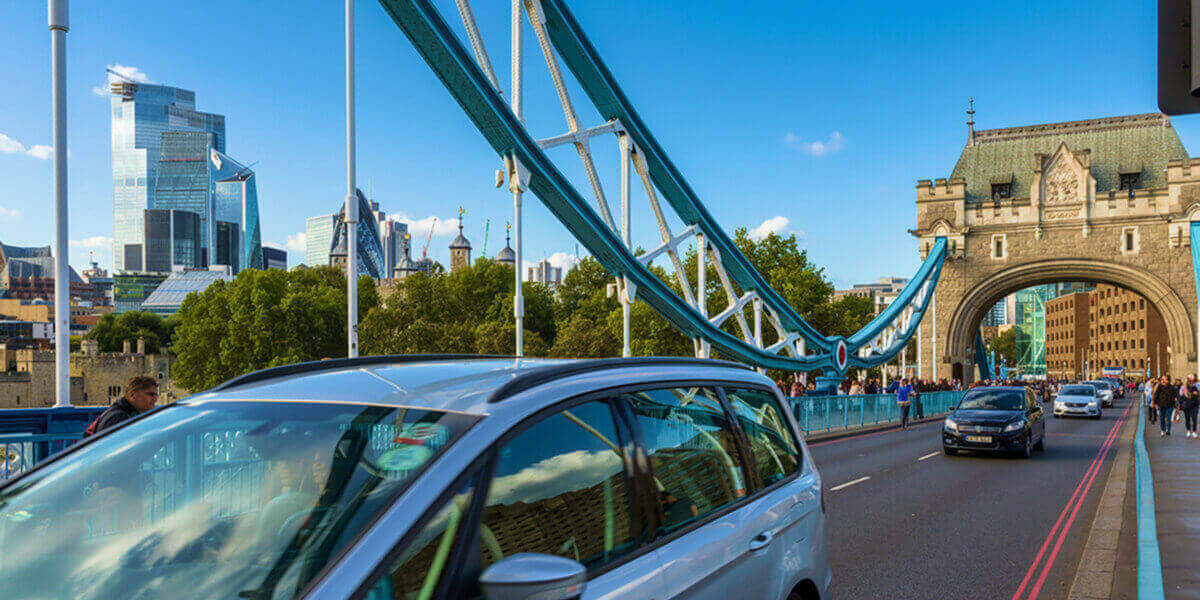
For city breaks, sightseeing and short urban journeys, you can book a mini, economy or compact car. Smaller vehicles are generally easier to manage in traffic and park in tight spaces.
For instance, Scotland’s North Coast 500 has long single-track stretches where a compact car is easier to drive than a large SUV.
If you're traveling with 2 to 4 people or extra luggage, a compact car may offer more room without being too large for city driving.
Long-distance road trips
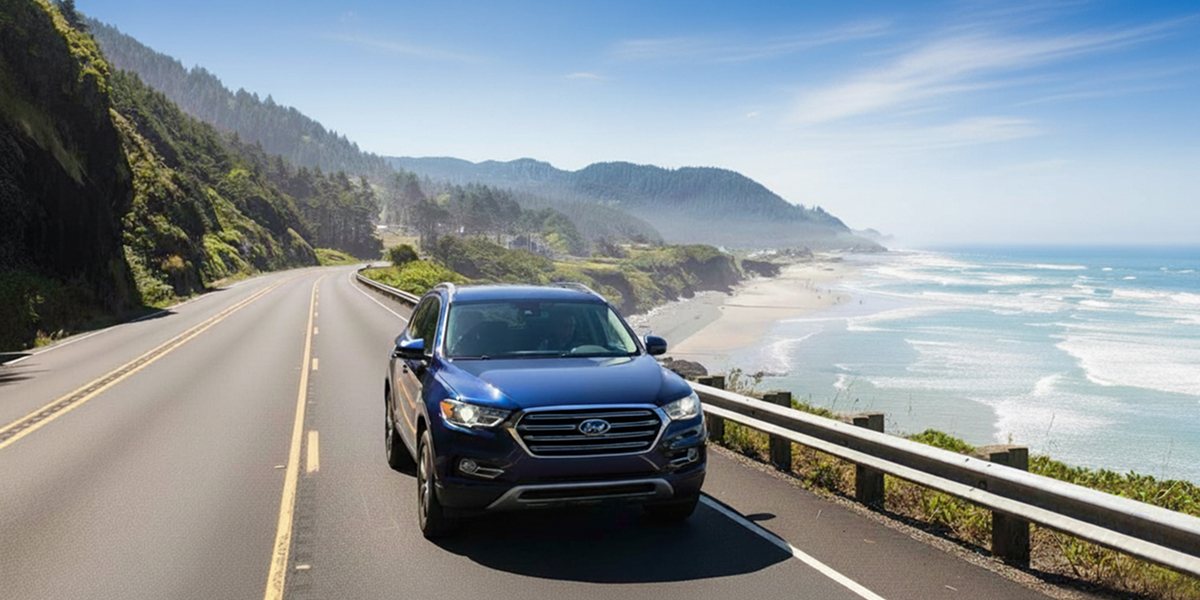
For your longer road trips, look for vehicles that have comfortable seating, luggage capacity, fuel efficiency & driver-assistance features. A full-size sedan or SUV can be suitable, depending on the number of passengers and the roads you'll cover.
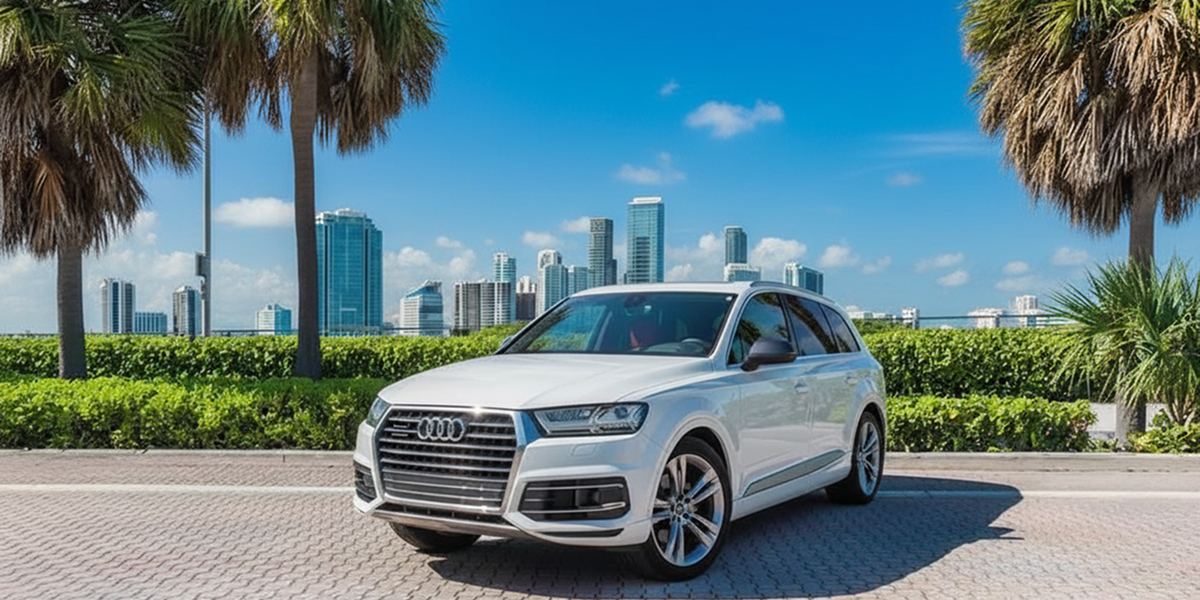
Families traveling with children to destinations like Orlando to visit theme parks may prefer an SUV for additional cabin space, while couples may find a fuel-efficient sedan more economical.
Mountain routes
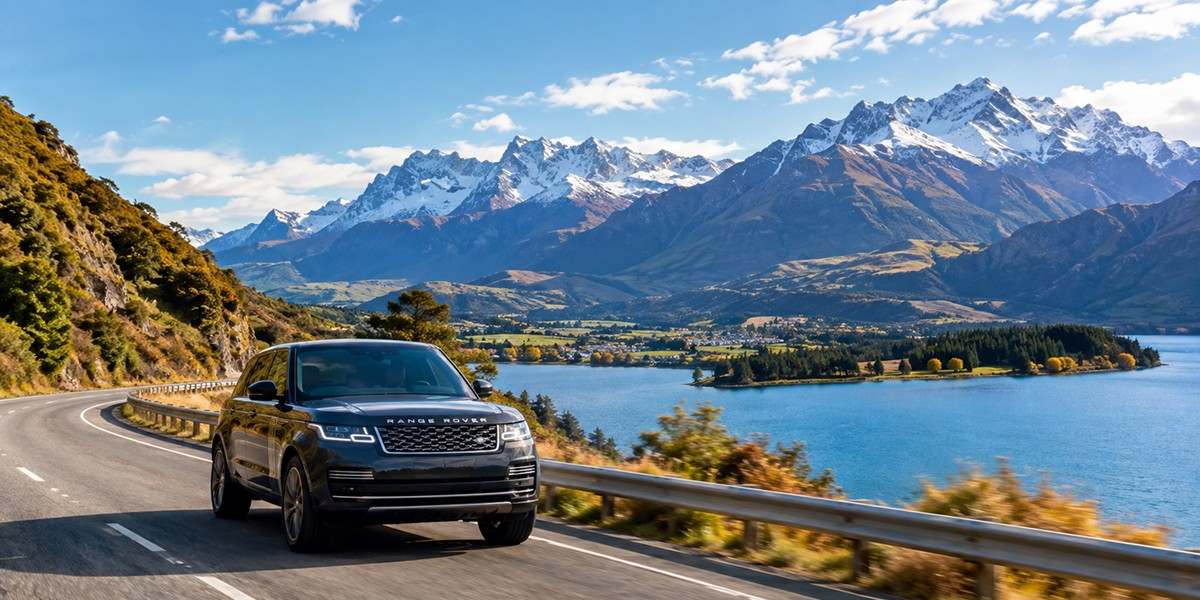
For mountainous destinations, it is best to go with an SUV or a car with enough power and stability for the route. It is very important to check the local road conditions, weather forecast and any seasonal restrictions.
In snowy conditions, winter tires or chains may be required, depending on local regulations. Remember that an SUV does not automatically have four-wheel drive, so you will have to carefully identify which model suits your journey the best.
If you're heading into snowy or mountainous terrain, make sure you know how to choose between AWD & 4WD rentals before booking.
Beach destinations
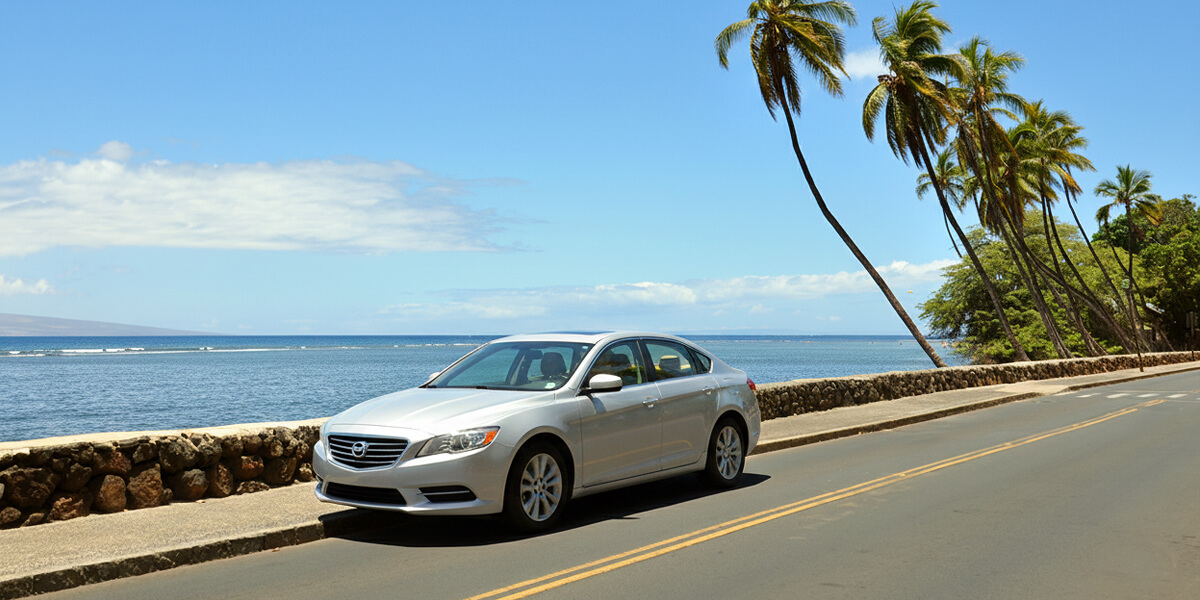
For beach holidays, a compact car, economy car or SUV works well, depending on your group size and itinerary.
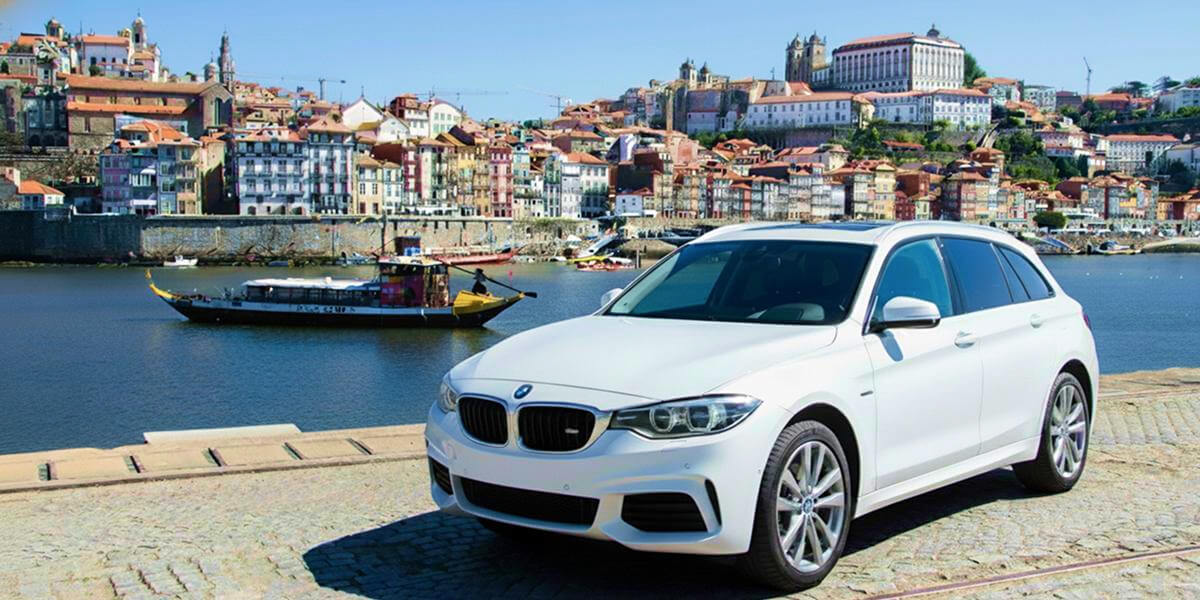
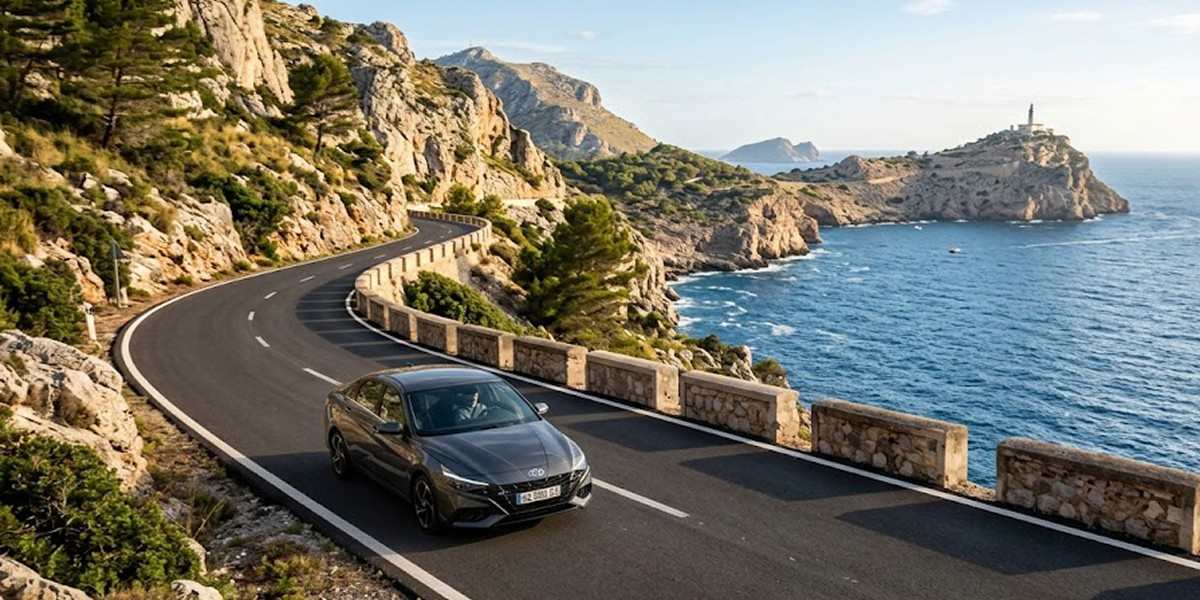
Smaller cars are convenient for coastal islands like Mallorca, Crete or Madeira with limited parking, while SUVs may provide more space for beach gear, luggage and families.
Rural travel
If you are renting a car to visit villages, countryside attractions or remote destinations, choose a vehicle based on road surfaces, distances between stops and access to fuel or charging. As charging stations might be limited in remote areas, plan more wisely if you are booking an EV.
A sedan is generally suitable for paved rural roads, while an SUV is suitable for certain uneven routes (if your selected supplier allows).
Confused between sedan & SUV?
Read this: SUV vs Sedan rentals - which is better.
For remote journeys, plan the fuel stops, check mobile coverage and review roadside assistance facilities beforehand.
What features should you check before booking?
Before booking a rental car, go through its specifications so that it suits your destination, passengers and travel plans. Vehicle features vary by model and supplier, so review the deal details carefully:
-
Air conditioning & climate control
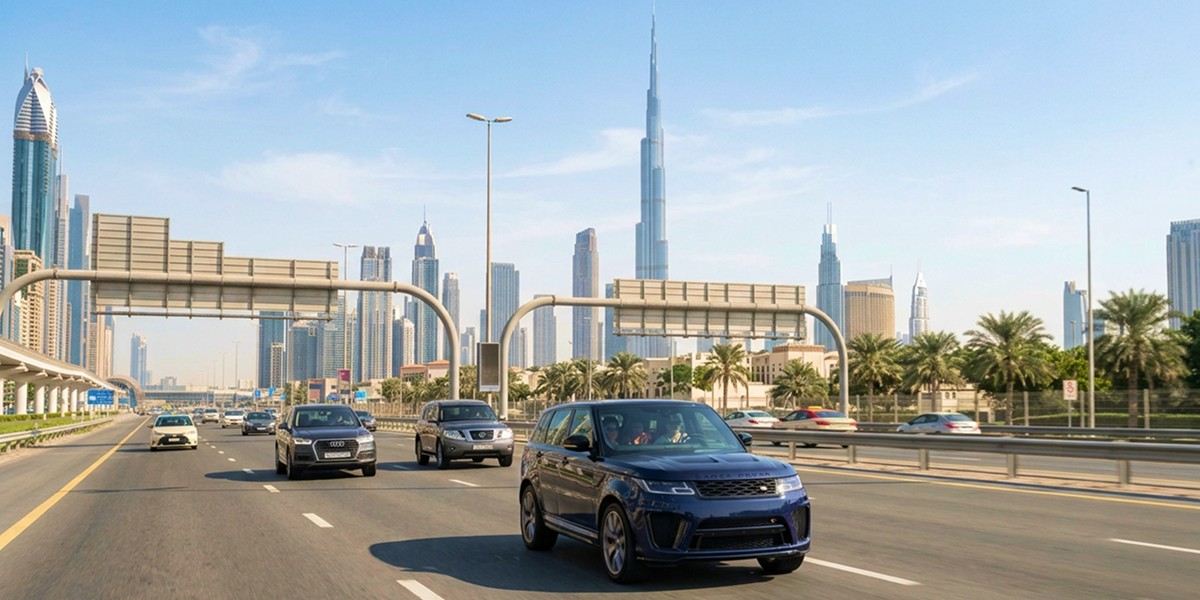
You cannot overlook an air-conditioned vehicle when driving in hot climates of Dubai, Phoenix or Seville or during summer. So, if you're traveling with children or planning long drives, check whether the vehicle includes climate control features.
-
GPS & smartphone connectivity
If you're traveling to a place for the first time, navigation can help you make your journey systematic by finding convenient routes & attractions.
Verify whether the car offers built-in GPS, Apple CarPlay or Android Auto. Also confirm the charging ports like USB-A, USB-C or wireless charging.
-
Child seats & safety features
Check whether child seats or booster seats are included in the deal or if you need to add them separately. Child seat rules are different for every country (based on age or height); make sure to check the local requirements before traveling.

Another thing that is important while traveling with young children is to secure child safety seats properly. And to ensure this, ask your provider whether the vehicle has ISOFIX/LATCH Anchor Points.
-
Driver-assistance features
Look for features such as parking sensors, a reversing camera, cruise control and automatic emergency braking.
Availability varies by model, so confirm the specifications if you want a particular feature in your rental car.
-
Electric vehicle charging requirements
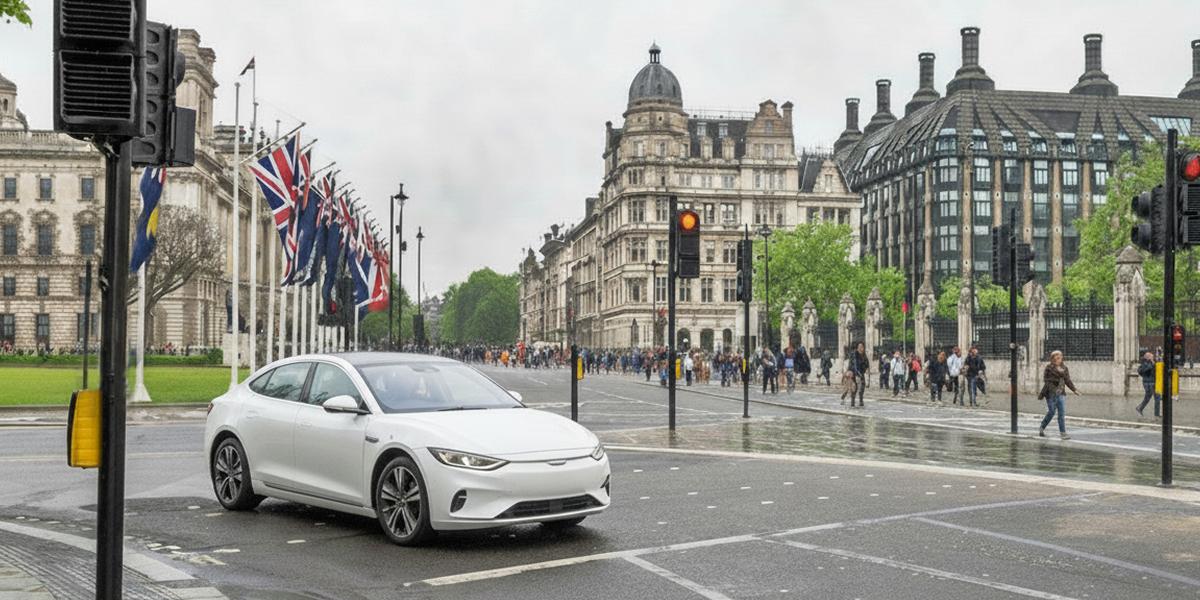
Before renting an electric car, it is important to study whether that particular destination is practical for driving an EV. Like hiring an EV in London totally makes sense as within the city you can easily spot more than 10,000 charging stations.
Check your selected model’s estimated driving range, charging connector, charging options & charging costs.
For a longer journey, plan charging stops in advance & review the supplier's battery-charge requirements for returning the vehicle.
Quick checklist for choosing the right rental car
- Set your budget
- Check passenger & luggage capacity
- Choose the right car category
- Consider your destination & route
- Check weather & road conditions of that area
- Select the right transmission
- Review mileage & fuel policy
- Understand insurance & deposit requirements
- Check essential features
- Plan EV charging (if applicable)
- Confirm pickup & drop-off details
- Read the rental terms
Ready to book? Compare rental car categories and deals to find an option that suits your trip. Happy journey!





















































































'%3E%3Ccircle cx='0' cy='0' r='7' fill='%23fff'%3E%3CanimateTransform attributeName='transform' type='scale' begin='-0.24691358024691354s' calcMode='spline' keySplines='0.3 0 0.7 1;0.3 0 0.7 1' values='0;1;0' keyTimes='0;0.5;1' dur='0.6407407407407407s' repeatCount='indefinite'/%3E%3C/circle%3E%3C/g%3E%3Cg transform='translate(50 50)'%3E%3Ccircle cx='0' cy='0' r='7' fill='%23fff'%3E%3CanimateTransform attributeName='transform' type='scale' begin='-0.12345679012345677s' calcMode='spline' keySplines='0.3 0 0.7 1;0.3 0 0.7 1' values='0;1;0' keyTimes='0;0.5;1' dur='0.6407407407407407s' repeatCount='indefinite'/%3E%3C/circle%3E%3C/g%3E%3Cg transform='translate(75 50)'%3E%3Ccircle cx='0' cy='0' r='7' fill='%23fff'%3E%3CanimateTransform attributeName='transform' type='scale' begin='0s' calcMode='spline' keySplines='0.3 0 0.7 1;0.3 0 0.7 1' values='0;1;0' keyTimes='0;0.5;1' dur='0.6407407407407407s' repeatCount='indefinite'/%3E%3C/circle%3E%3C/g%3E%3C/svg%3E)
